
eSIM vs Physical SIM: Which is Best for Your Android in 2026?
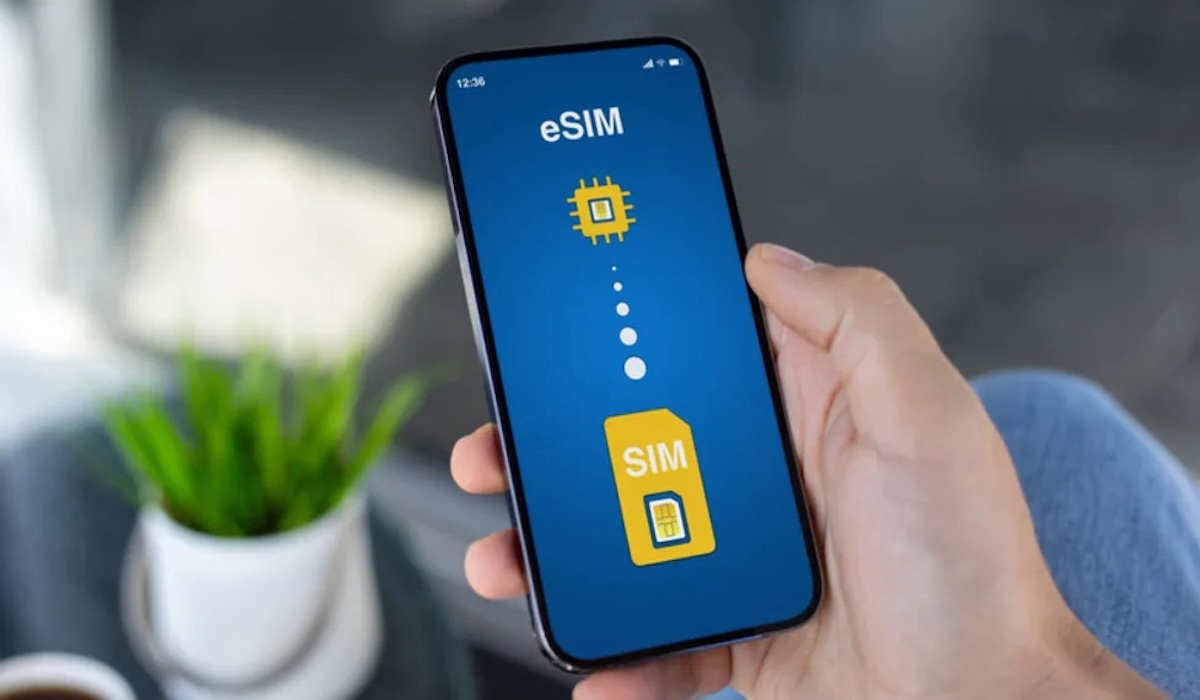
Have you just bought a new flagship Android phone and are torn between sticking with a physical SIM or switching to eSIM? You’re not alone. With the launch of cutting-edge devices like the Samsung Galaxy S26 Ultra and Google Pixel 10 Pro, the telecom industry is aggressively pushing for the adoption of embedded SIMs (eSIMs). This transition is not merely an aesthetic trend to remove phone body holes but an evolution in how we manage connectivity. But is eSIM truly better than the small plastic card we’ve used for decades? Let’s delve into a detailed comparison. The key difference lies in their form and flexibility. Traditional SIM cards are physical components that must be manually inserted into a phone’s tray, whereas eSIMs are tiny chips permanently embedded in the device’s motherboard. With eSIM, there’s no need to wait for a physical SIM delivery or hunt for a SIM ejector tool. You simply download network credentials directly to your device. Switching operators requires only updating the profile via phone settings. In the US, the trend of removing physical SIM trays began with the iPhone 14, and many Android manufacturers are now following suit globally to free up space for larger batteries or cooling components. eSIM offers far stronger security than physical SIM cards. Key reasons include: For international travellers, eSIMs are a lifesaver. You can purchase local data packages for your destination even before landing and activate them within minutes, eliminating the hassle of finding operator kiosks at foreign airports. However, challenges remain with operator support. While high-end Android devices like the Galaxy S26 and Pixel 10 series are fully compatible, some international operators—particularly in parts of Asia and Africa—may not yet offer eSIM services consistently. In such cases, a hybrid phone (with one physical slot plus eSIM support) is the ideal solution. If your Android device supports eSIM and your mobile operator provides it, switching is the smarter choice—offering better security, easier profile management, and a cleaner digital setup. However, keep your physical SIM details on hand if you frequently switch devices (e.g., for reviews or technical purposes), as transferring eSIMs between devices sometimes requires additional operator verification, which can take longer than simply swapping a plastic card.