
ESDM tests samples of waste-derived diesel from 12 locations
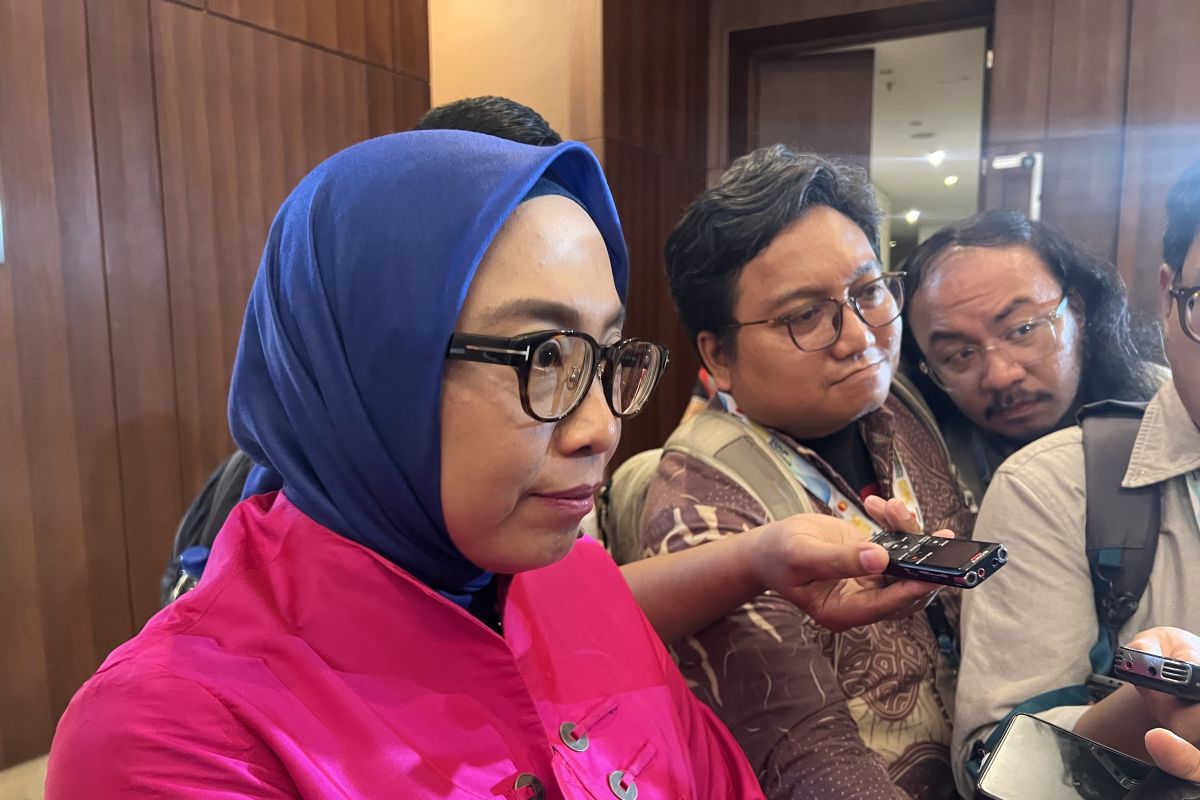
Jakarta — The Ministry of Energy and Mineral Resources (ESDM) is conducting sampling tests on diesel fuel derived from waste sourced from 12 locations. ‘At the moment, I am taking samples at 12 locations for sites that have already produced BBMT (renewable fuel) under the pyrolysis scheme,’ said Eniya Listiani Dewi, Director General of New, Renewable Energy and Energy Conservation (EBTKE) at the Ministry of ESDM, when met on the sidelines of IPA Convex, Tangerang, Banten, on Thursday. Eniya said the ministry would reassess the Cetane Number (CN) specifications for the diesel produced from the waste. She explained that a high CN means the fuel ignites more readily and yields a more complete, powerful, and efficient combustion. ‘When someone claimed the CN was 53, in our testing it turned out to be 19. This is something I need to clarify,’ said Eniya. She stated that the Ministry would test the samples at Lemigas or the Balai Besar Pengujian Minyak dan Gas Bumi. To date, the testing process is ongoing. ‘So later, per site, we will determine whether the CN is 48, 51, or something else. We will collect and identify them first,’ said Eniya. She added that those waste-derived diesel producers meeting the ministry’s specifications would enter the Indonesian Standard Classification of Business Fields (KBLI) for waste-to-energy, which is overseen by the Ministry of ESDM. Thus, they would obtain permission to sell. ‘So it’s no longer illegal. They can engage in inter-business trading. Like that,’ she said. Coordinating Minister for Food Zulkifli Hasan said he would process stockpiled waste at landfills into diesel fuel. Zulhas said that turning waste into diesel is part of a major transformation of waste management. Previously, he said, the government focused on converting waste into electricity. Now, the government is pushing landfill waste to diesel via pyrolysis or the high-temperature decomposition of organic matter. Zulhas revealed that six locations are targeted for the waste-to-diesel project. ‘There are six locations. They include Bantargebang, Bandung, and Bali,’ Zulhas said.