
ESDM Targets Implementation of 3 kg CNG Cylinder to Replace LPG Starting This Year
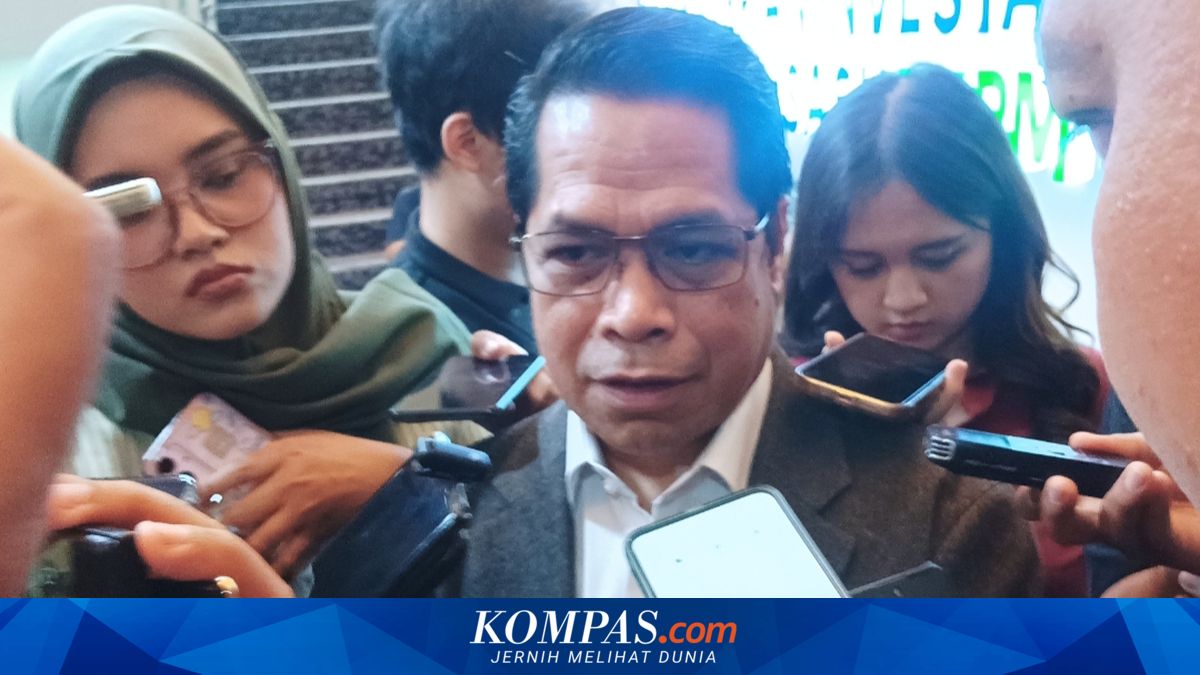
JAKARTA, KOMPAS.com - The Ministry of Energy and Mineral Resources (ESDM) targets the conversion of liquefied petroleum gas (LPG) to compressed natural gas (CNG) to be implemented this year.
This CNG will serve as a replacement for the 3 kg subsidised LPG for households.
The Director General of Oil and Gas (Dirjen Migas) at the Ministry of ESDM, Laode Sulaeman, stated that the programme’s implementation will be carried out gradually, beginning in major cities on the island of Java.
“This year, it is targeted (to start being consumed by the public),” he said when met at Epiwalk, Jakarta, on Tuesday (5/5/2026).
Currently, the focus is on providing 3 kg cylinders of the appropriate type.
According to Laode, the cylinders to be used are likely type 4, namely polymer cylinders reinforced with composite materials, making them lighter than conventional steel cylinders.
The government targets that within the next three months, these cylinders will be available so that production in larger quantities can begin soon.
“That’s what is being pursued; the Minister (of ESDM) stated that within three months, there will be type 4 for 3 kg, and from there, we will start producing in much larger numbers,” Laode explained.
Nevertheless, he declined to reveal more details regarding the roadmap for implementing the conversion from LPG to CNG.
Because, according to him, it is still under discussion with the Dirjen Migas team, led directly by ESDM Minister Bahlil Lahadalia.
In addition to cylinder readiness, the preparation of the CNG usage scheme also includes distribution patterns to ensure smooth implementation.
“The pattern I cannot announce yet; it is being prepared by the team, with the Minister leading directly. So, after that, it will be announced directly by the Minister, because this involves cylinder preparation, distribution, and it all must align,” said Laode.
Previously, Bahlil Lahadalia revealed that the government is developing CNG in 3 kg cylinder packaging as an alternative replacement for LPG for households.
According to him, the utilisation of CNG has already begun in several hotels, restaurants, and some kitchens of the Free Nutritious Meals (MBG) programme, with raw materials sourced domestically.
The government is now preparing to expand its use to the household sector.
“For the 3 kilogram one, it’s just about to be made. And this is 30-40 percent cheaper,” Bahlil said while attending an event of the IPB Alumni Association in Jakarta on Saturday (2/5/2026), as quoted from Antara.
Technically, CNG is a gaseous fuel produced from the compression of natural gas, primarily containing methane (C1) and ethane (C2). This gas is stored and distributed using high-pressure cylinders at around 200-250 bar or equivalent to 2,900-3,600 psi.
CNG cylinders are designed to withstand high pressure, thus deemed to meet safety aspects in the storage and distribution process.