
ESDM States Development of 3 kg CNG Cylinder Involves Ministry of Industry and BSN
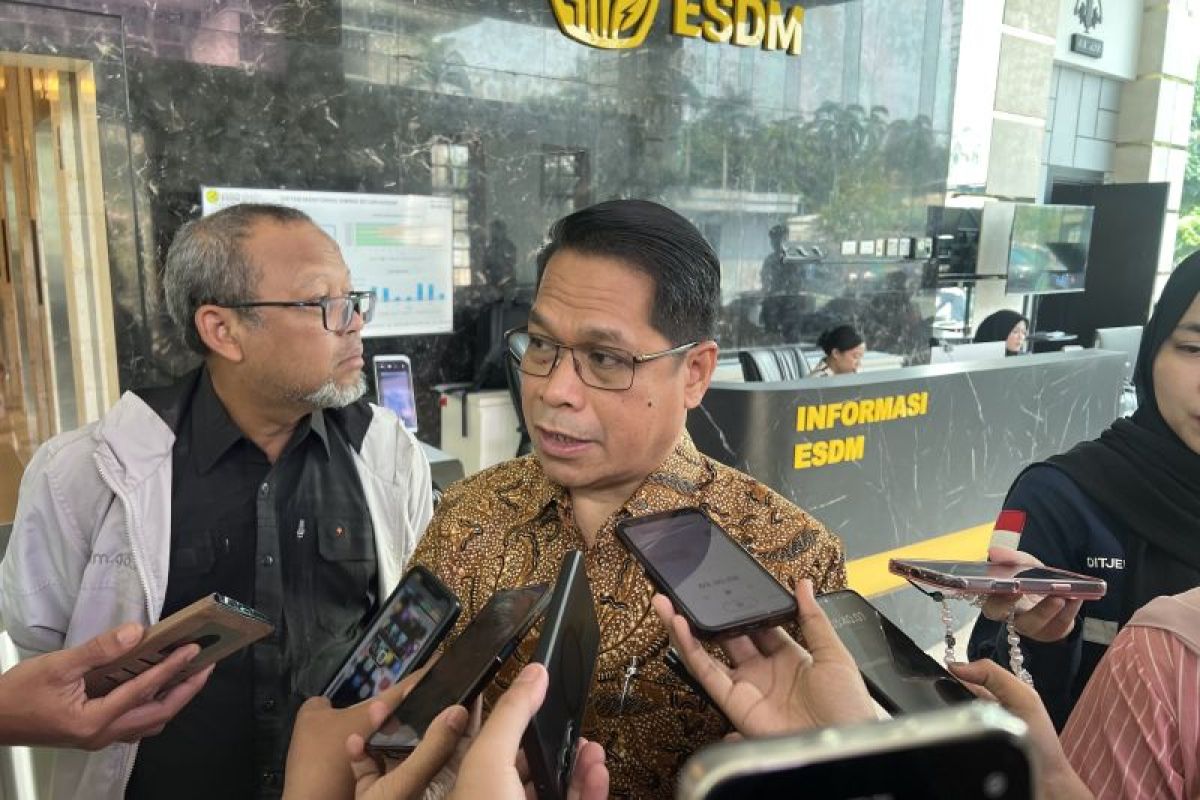
Jakarta (ANTARA) - The Ministry of Energy and Mineral Resources (ESDM) has stated that the development of a 3 kg capacity CNG gas cylinder involves the Ministry of Industry and the National Standardization Agency (BSN). “The safety aspect is not only from the Ministry of ESDM, but also from the Ministry of Industry, the Ministry of Manpower, and BSN which issues the standards,” said the Director General of Oil and Gas (Dirjen Migas) of the Ministry of ESDM, Laode Sulaeman, when met at the Ministry of ESDM office in Jakarta on Wednesday. Laode emphasised that safety is one of the most important aspects in ensuring the implementation of CNG as an alternative to the 3 kg LPG. The government is preparing stages for the implementation of CNG as an alternative to LPG to meet household gas needs. Laode targets CNG to replace the 3 kg LPG cylinder starting this year to reduce dependence on energy imports. However, he did not elaborate further on whether the policy to convert LPG to CNG would affect Indonesia’s commitment to importing LPG from the United States. “That’s still too far ahead. Because we are just about to start, just about to do the pilot project. So, all those stages will take time,” said Laode. After attending a limited meeting at the Presidential Palace Complex in Jakarta on Tuesday (5/5), Energy and Mineral Resources Minister Bahlil Lahadalia explained that CNG is not a new technology as it has been used in the hospitality sector, restaurants, and the Free Nutritious Meal (MBG) programme. However, its utilisation so far has been limited to large-capacity cylinders above 10 to 20 kilograms. He added that if the trial results are deemed feasible, the government will open opportunities for a gradual conversion from LPG to CNG for household needs. According to Bahlil, CNG has advantages because all its raw materials are available domestically, including abundant natural gas sources. In addition, the government has also discovered new gas reserves in East Kalimantan which have the potential to be allocated for domestic needs.