
ESDM Records Dusem Segment 2 Gas Infrastructure Project at 32 Percent Completion
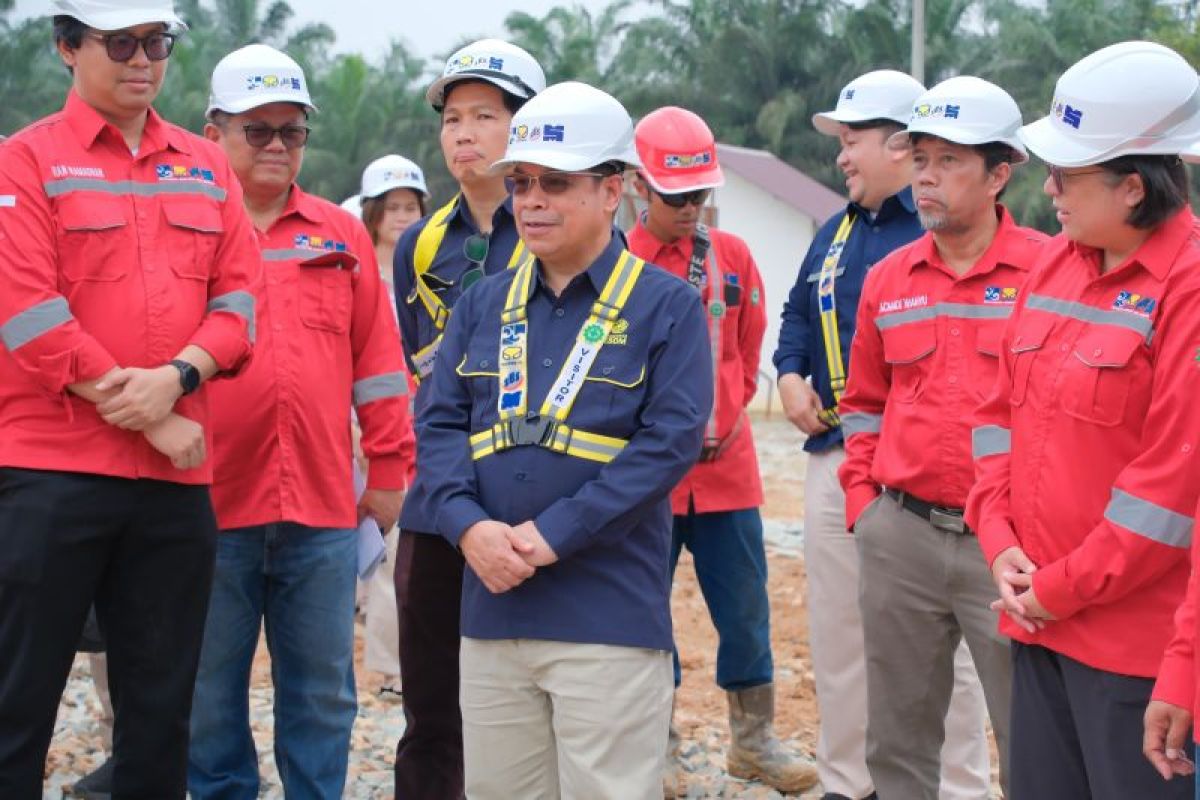
“Thank God, the field progress for Segment 2 has now touched the figure of 32 per cent.”
Jakarta (ANTARA) - The Ministry of Energy and Mineral Resources (ESDM) has recorded that the Dumai-Sei Mangkei (Dusem) Natural Gas Transmission Pipeline infrastructure, a National Strategic Project (PSN), reached 32 per cent completion for Segment 2 by the end of July 2026.
“Thank God, the field progress for Segment 2 has now touched the figure of 32 per cent,” said the Director General of Oil and Gas at the Ministry of ESDM, Laode Sulaeman, in an official statement accessed from Jakarta on Thursday.
He said the achievement exceeded the previously planned schedule, and stated that the Ministry of ESDM continues to shepherd the acceleration of the infrastructure’s construction.
He added that this acceleration forms part of the government’s commitment to strengthening the integration of national natural gas infrastructure.
“Equally important, this achievement was attained with a record of 300,000 safe working hours without workplace accidents, involving around 447 skilled workers in the field,” said Laode.
The Dusem Natural Gas Transmission Pipeline infrastructure is planned to stretch from the Belawan SKG to the Duri facility over a total distance of approximately 535.4 kilometres, with construction targeted for completion between late 2027 and early 2028.
The gas pipeline transmission work is divided into two segments and carried out in parallel. Segment 1 connects Belawan to Labuhan Batu Station, while Segment 2 connects Labuhan Batu Station to the Duri facility.
“We extend our highest appreciation to the entire team, contractors, and workers involved for their dedication and hard work in shepherding this vital project,” said Laode.
While expressing appreciation for the positive trend shown by the progress deviation, Laode took the opportunity to remind all parties involved in the project not to become complacent.
He emphasised that physical acceleration must not sacrifice safety aspects and the technical quality of the work. During the review, his party specifically highlighted the open-cut works, which constitute one of the most crucial stages in the installation of gas transmission pipelines.
“This depth standard is important not only for the long-term security of the pipeline, but it is also a crucial point during technical feasibility tests and audits by the Supreme Audit Agency (BPK),” said Laode.
The construction of the Dusem Natural Gas Transmission Pipeline is a concrete manifestation of the government’s commitment to promoting the optimal use of national natural gas. The integration of the natural gas pipeline network from North Sumatra to Riau is expected to strengthen national energy resilience and support the equitable distribution of clean energy supplies for both industry and the public.