
ESDM Ministry: 3 kg CNG cylinders enter public trial phase
The Ministry of Energy and Mineral Resources (ESDM) has announced that 3 kilogram (kg) compressed natural gas (CNG) cylinders have entered the public trial phase, though participation remains limited to those within the Oil and Gas Testing Centre (Lemigas).
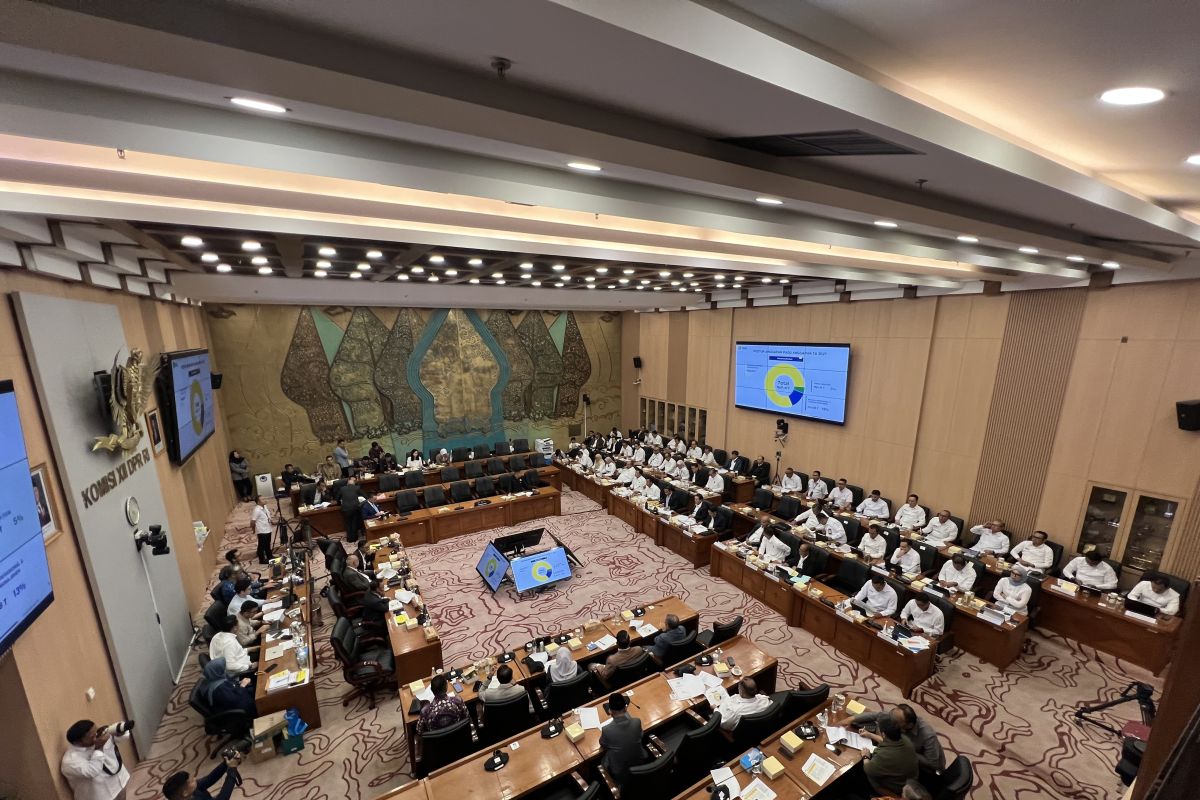
“This September we will obtain evaluation results, not only regarding the cylinder’s performance but also how it is utilised by the public,” said Laode Sulaeman, Director General of Oil and Gas at the ESDM Ministry, after a working meeting with Commission XII of the Indonesian House of Representatives at the Parliament Complex in Senayan, Jakarta, on Monday.
Laode added that the public involved in the 3 kg CNG trial is still limited to the Lemigas environment. “The public (in the trial) is still limited to the internal Lemigas environment. There are MSMEs there,” he said.
He stated that within this one-month period, the trial has entered the direct user stage. This stage differs from previous phases, as the initial stages were still oriented towards cylinder testing.
“Previously we were still testing the cylinder stage and so on, now we are preparing it for use and evaluation over one month,” he said.
Minister of Energy and Mineral Resources Bahlil Lahadalia said CNG is not a new technology, as it has been used in the hotel, restaurant and café (horeka) sector, as well as in the Free Nutritious Meals (MBG) programme. However, its utilisation has so far been limited to large-capacity cylinders above 10 to 20 kilograms.
According to Bahlil, the main challenge in the trial is the technical aspect, because CNG gas pressure is around 200 to 250 bar, stronger than LPG whose pressure ranges from 5 to 10 bar.
He said the government continues to study the use of CNG as an alternative to replace 3 kg LPG cylinders in order to reduce dependence on energy imports, so trials must continue.
According to Bahlil, CNG has the advantage that all its raw materials are available domestically, including abundant natural gas sources.
In addition, the government has also discovered new gas reserves in East Kalimantan that could potentially be allocated for domestic needs.