
ESDM: Energy Supply Maintained During Eid al-Fitr 2026 Period
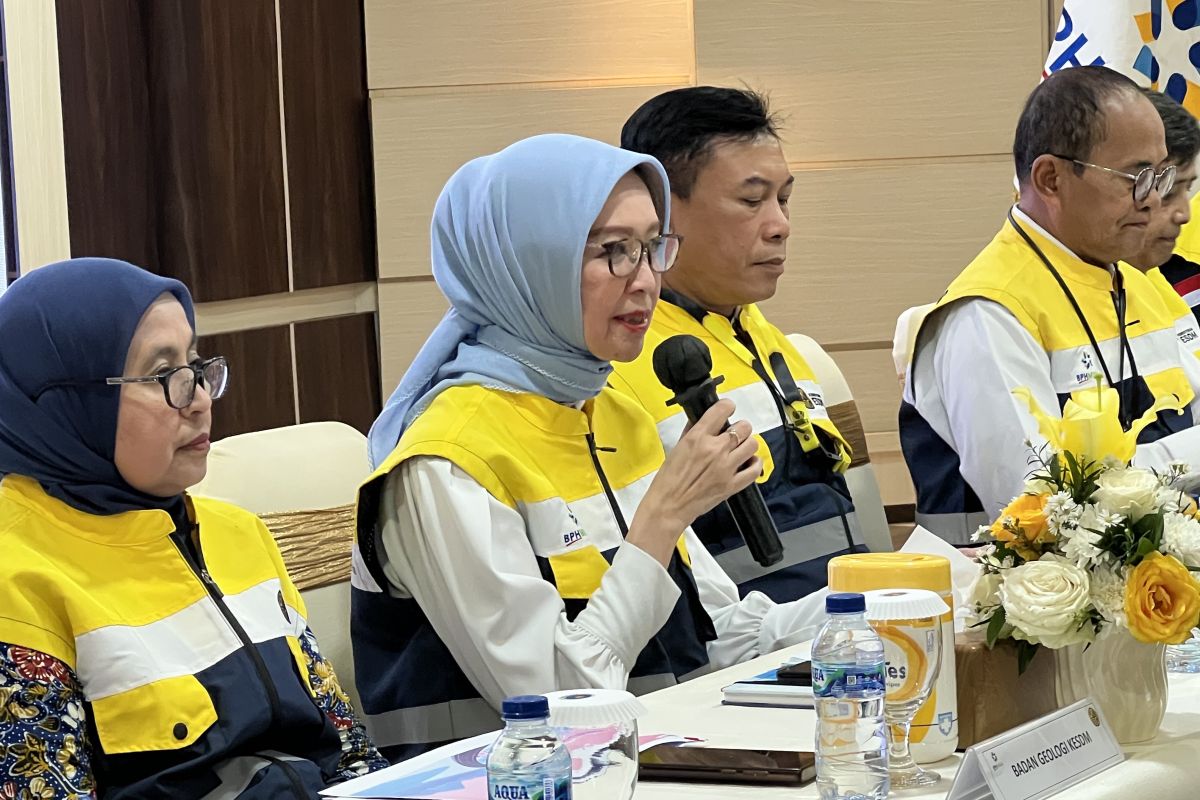
The series of activities at the Eid al-Fitr 2026 Command Post has been successfully navigated safely, smoothly, and under control. Jakarta (ANTARA) - The National Command Post for the Energy and Mineral Resources Sector (ESDM) for the Ramadan and Eid al-Fitr (RAFI) 1447 H/2026 period successfully maintained energy supplies during the Eid period amid uncertain global geopolitical conditions. “We are grateful that, amid the uncertain global geopolitical conditions, the series of Eid al-Fitr 2026 Command Post activities have been successfully navigated safely, smoothly, and under control,” stated Inspector General of the Ministry of ESDM, Yudhiawan, during the closing of the National ESDM Command Post at the Office of the Downstream Oil and Gas Regulatory Body (BPH Migas) in Jakarta on Tuesday. Yudhiawan conveyed that throughout the RAFI period, Minister of ESDM Bahlil Lahadalia and Deputy Minister of ESDM Yuliot directly visited various regions to ensure the availability of fuels (BBM), Liquefied Petroleum Gas (LPG), natural gas, electricity supply, and readiness for geological disaster mitigation, all of which proceeded well. On that occasion, the Chair of the National ESDM Sector Command Post for the RAFI 2026 Period, Erika Retnowati, stated that the Command Post operated effectively thanks to collaboration and synergy among stakeholders. She expressed appreciation to all parties who supported the Command Post activities from the preparation phase, opening, implementation, to closing. Erika also conveyed her thanks to the public who, together with the Government, maintained a conducive atmosphere during the month of Ramadan up to after Eid al-Fitr. In detail, Erika outlined that the fuel stock resilience was reported as safe for types including Gasoline, Gasoil, Kerosene, and Avtur, with average stock resilience maintained above 20 days. The most significant average daily consumption increase for BBM during the Command Post period compared to normal distribution was seen in Gasoline, rising by 15 percent, while Gasoil decreased by 18 percent. Avtur increased by 7.2 percent compared to normal distribution. During the RAFI 2026 Command Post period, LPG distribution was also reported to proceed safely. All agents and depots operated well to serve public gas needs, including 24-hour standby agents and depots in special areas with high demand. “The national LPG stock resilience averaged 11.6 days during the Command Post period. The average LPG distribution during this period was 34,206 MT, experiencing an increase of 6.5 percent from the normal average,” she said. A similar condition occurred in the natural gas sector, where no obstacles were reported and it remained safe. Meanwhile, for the electricity sector, it was generally in a safe condition. Seventeen systems were in normal status, with no instances of alert or deficit. In the geological sector, there were several geological disaster events, such as earthquakes and landslides. No volcanoes were at Alert status, only two volcanoes at Caution status, namely Mount Merapi and Mount Semeru. All these events did not impact the energy supply and distribution conditions. “All earthquake, volcanic, and landslide activities did not affect the supply conditions or the smooth distribution of energy in the BBM, LPG, natural gas, or electricity sectors,” stated Erika.