
ESDM: E20 Fuel Mandate Depends on Raw Material Readiness
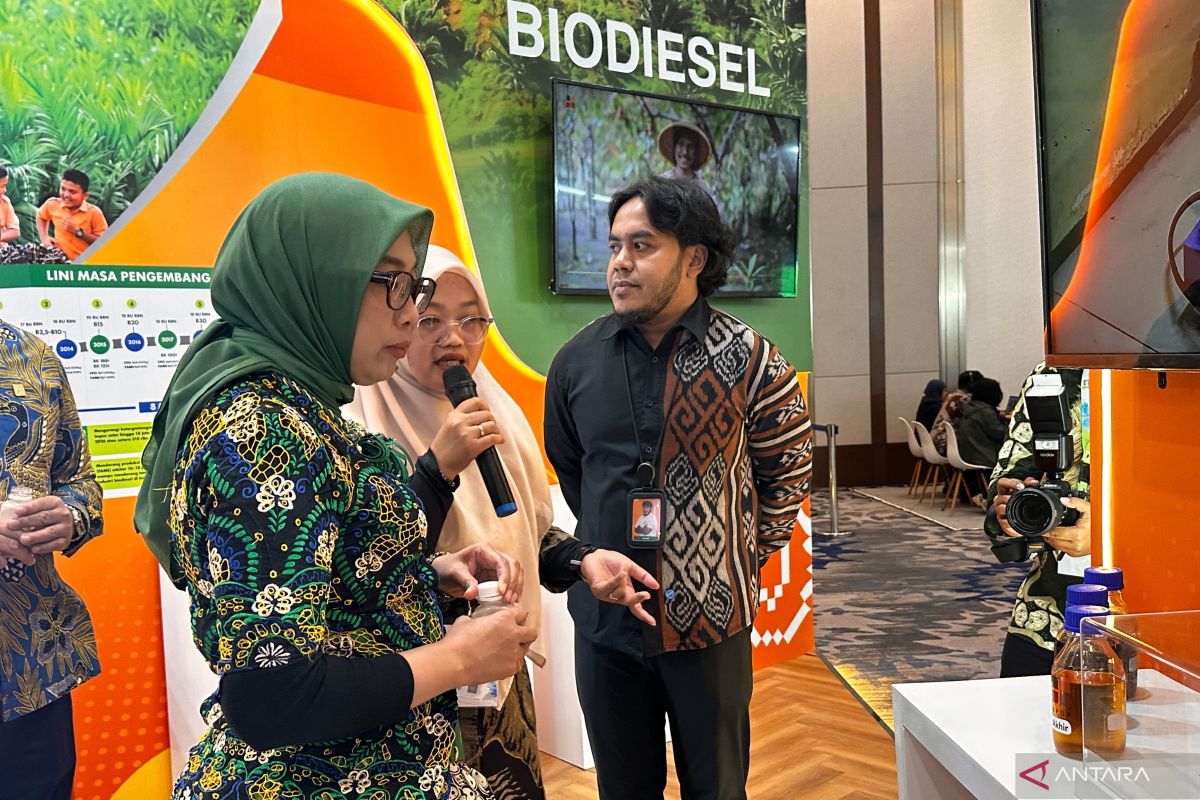
The Ministry of Energy and Mineral Resources (ESDM) has stated that the implementation of a 20 per cent bioethanol blend, known as E20, remains dependent on the readiness of raw materials (feedstock) and the technical preparations being undertaken by the government alongside various stakeholders.
The Director General of New, Renewable Energy, and Energy Conservation (EBTKE), Eniya Listiani Dewi, said the government needs to ensure the availability of raw materials before establishing the mandatory bioethanol blending level.
“If we set a specific level but it is not achieved, it will be futile. Therefore, our mandate will truly depend on the feedstock,” Eniya said in Jakarta on Wednesday.
According to her, the government is currently preparing upstream readiness to support bioethanol implementation, including encouraging investment in factory construction.
“The revision of Presidential Regulation 40 regarding sugar and bioethanol is currently being discussed. In it, we will include the calculated demand for non-PSO (Public Service Obligation) supply. If we implement 20 per cent, we will need at least 20 factories with a minimum scale of 40,000 kilolitres per year; if they can be larger, even better. From this, we hope all investments will move towards the upstream sector,” Eniya added.
Eniya emphasised that the mandatory blending level will consider the capacity of local raw material supply to ensure that the established policy is supported by sufficient availability.
Furthermore, Eniya stated that the government is preparing three Market Index Prices (HIP) for bioethanol based on different raw materials: molasses, cassava, and corn. These three HIPs are currently being discussed with associations and stakeholders to determine prices appropriate for each specific feedstock.
On the technical side, the government is also collaborating with the automotive sector, as end-users, to prepare for the implementation of E20. Eniya noted that her department is preparing technical specifications up to E100, which can later be adjusted according to the bioethanol blending level.
She explained that this level of preparation is necessary so that once the government establishes the mandatory policy, implementation can be carried out immediately. It is known that the government plans to implement the 20 per cent ethanol blend (E20) in fuel by 2029 as part of efforts to strengthen national energy security.