
ESDM Asserts Gunung Ungaran Geothermal Project is Phased and Study-Based
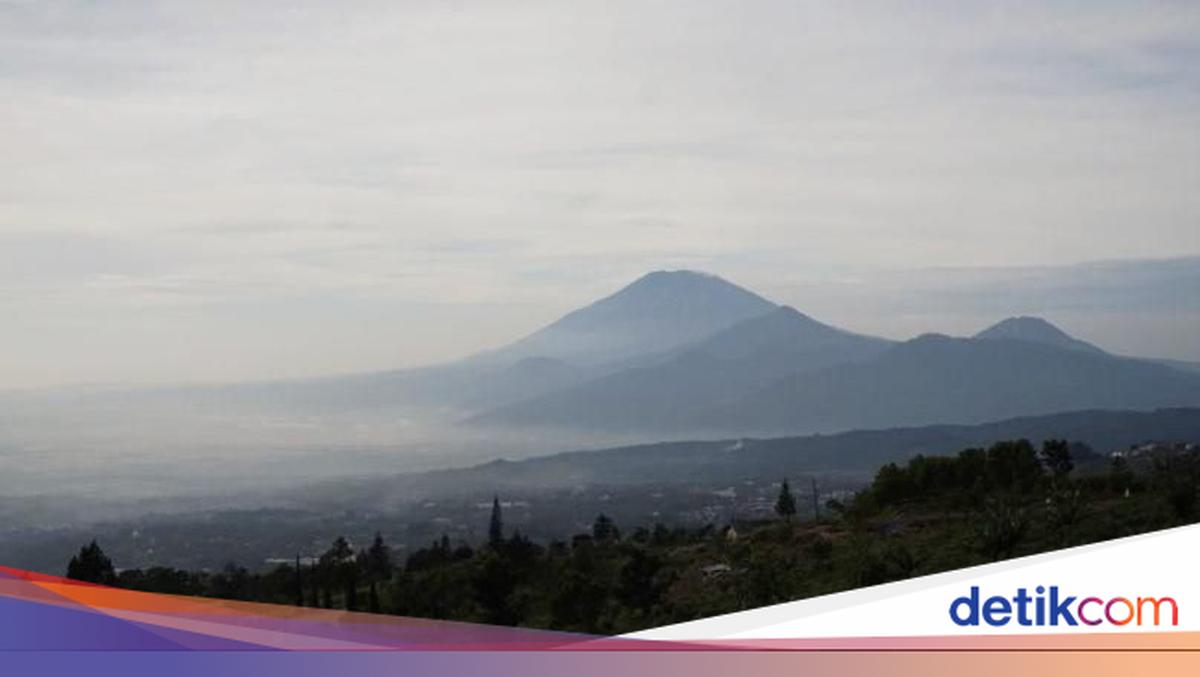
The Ministry of Energy and Mineral Resources (ESDM) has emphasised that the development of the Geothermal Power Plant (PLTP) in Gunung Ungaran, covering Semarang and Kendal Regencies in Central Java, is being conducted in stages. The Ministry stated that this project prioritises technical studies, safety, environmental protection, and the preservation of cultural heritage sites, including the Gedong Songo Temple.
“The project development is currently in the exploration and feasibility study stage. There are still several stages to be completed, and every stage must be based on data, technical studies, environmental aspects, licensing, and social considerations of the community. Exploration is being conducted to ensure geothermal potential while assessing development feasibility,” said ESDM Ministry spokesperson Dwi Anggia on the Ministry’s official website on Wednesday (2/9/2026).
Based on the 2025-2034 Electricity Supply Business Plan (RUPTL), the Gunung Ungaran PLTP is planned to have a capacity of approximately 55 MW, with an operational target of 2031. To reach the construction stage, developers must first obtain certainty regarding the characteristics and potential of the reservoir through a series of research and exploration efforts.
Anggia explained that exploration drilling is carried out based on geological and geophysical studies to understand subsurface conditions and determine reservoir targets. Surface drilling locations do not always sit directly above the geothermal source.
“With directional drilling technology, drilling can be directed from a specific point towards the target reservoir underground. Therefore, the determination of well locations is based on data and technical studies, rather than solely on the surface position of the geothermal source,” she explained.
The ESDM Ministry is considering the importance of preserving the Gedong Songo Temple. A social mapping study by Diponegoro University in 2019 identified a regional zoning system comprising core, buffer, and development zones. This geothermal project adheres to the applicable boundaries and regulations to ensure the cultural heritage area remains protected.
“The protection of cultural heritage is a component that must be addressed throughout the entire development process. Every planned activity must refer to the applicable zoning regulations and preservation principles,” said Anggia.
In addition to the activity locations, the total area of the working area must be understood proportionally. Out of 100% of the geothermal working area, the total land used for a 55 MW PLTP is less than 1%. During the drilling stage, land requirements are also relatively limited and determined based on technical studies, field conditions, and environmental and spatial planning regulations.
Water and environmental aspects are also part of the studies before moving to the next stage. The government ensures that water requirements, potential impacts on the environment and community, and management measures will be assessed during the environmental licensing and permit fulfilment process.
In line with this, social mapping is conducted to gain an overview of the community conditions around the activity area, including social aspects, land use, environment, and spatial planning. This approach is taken so that development plans can consider the overall condition of the area and involve the community from the early stages.
“Geothermal development is not just about drilling and power generation. There are community, environmental, spatial, licensing, safety, and cultural preservation aspects that must be considered in an integrated manner,” Anggia asserted.
The Gunung Ungaran PLTP project is a long-term process; the Ungaran Working Area (WKP) was established in 2007, and since then, development has been carried out through various stages, ranging from geoscience research and studies, well location determination, preparation and fulfilment of permits, exploration drilling, feasibility studies, to the decision on construction and operation.
Exploration results will serve as a primary basis for determining development feasibility. If exploration results show reservoir potential that meets technical and economic aspects, and all environmental, safety, and licensing requirements are met, the project may be considered for the next stage of development.
For the ESDM Ministry, experience from geothermal projects in various regions of Indonesia shows that the utilisation of geothermal energy can coexist with other regional functions. For example, Dieng serves as a relevant lesson for Gunung Ungaran, as geothermal development there takes place in an area with geological, biodiversity, cultural, tourism, and agricultural value.
The presence of geothermal facilities in the Dieng area is deemed capable of coexisting with various community and tourism activities, including cultural activities involving the community around the geothermal area.