
ESDM aims to resolve East Java fuel queues this week
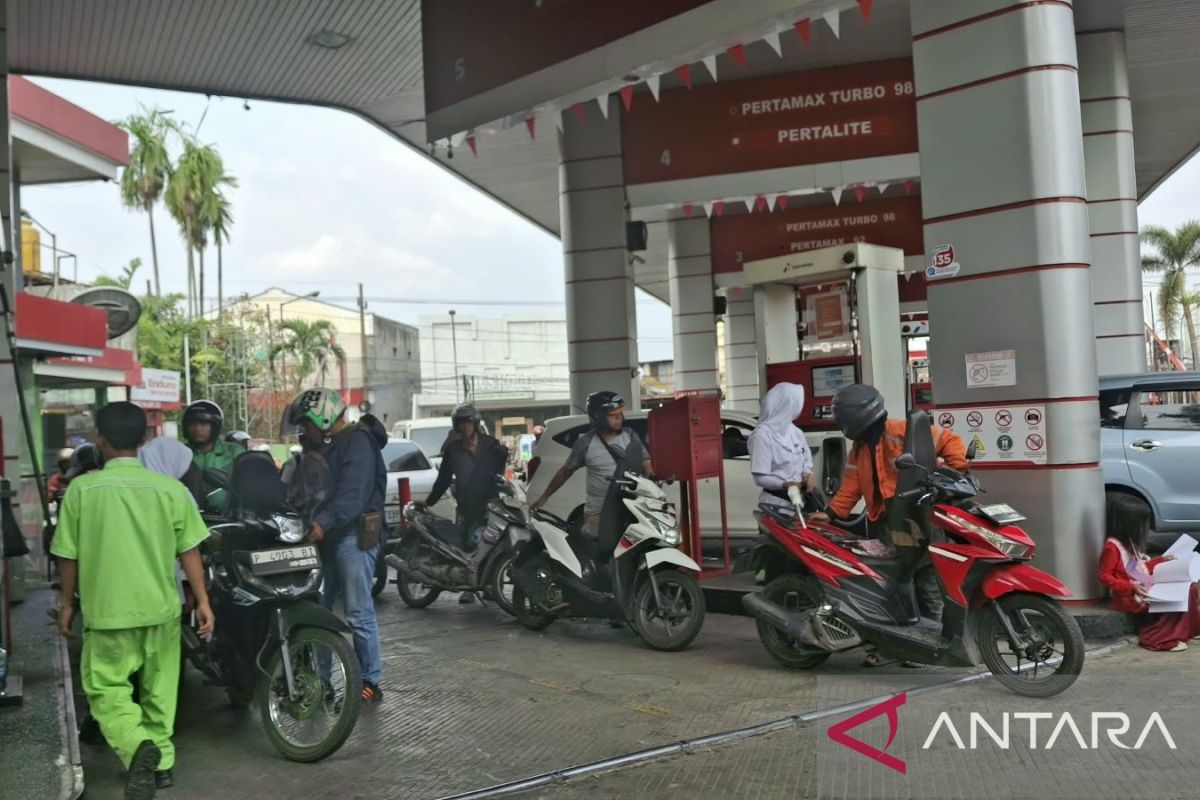
Jakarta (ANTARA) – The Energy and Mineral Resources Ministry (ESDM) aims to resolve queues to buy fuel in several parts of East Java, including Malang, Jember and Blitar, within the next one to two days.
“Essentially, the problem in East Java must be resolved within the next day or two,” said Laode Sulaeman, the ministry’s Director General of Oil and Gas, at the ESDM office in Jakarta on Tuesday.
Laode made the statement after meeting East Java Governor Khofifah Indar Parawansa and Deputy Governor Emil Elestianto Dardak. He said he hoped the long queues seen in Bali would not recur elsewhere, including in East Java.
Laode also rejected claims that East Java’s fuel supply had been sent to Bali during the fuel crisis there.
“No. East Java is part of MOR V (Marketing Operation Region V), Jatimbalinus. Fuel must not be sent elsewhere from there while East Java itself is not being supplied properly,” he said.
Meanwhile, ESDM Secretary General Ahmad Erani Yustika said the ministry had coordinated with the Downstream Oil and Gas Regulatory Agency (BPH Migas) and Pertamina to ensure sufficient fuel stocks all the way to petrol stations.
Efforts to speed up distribution include increasing deliveries by ship to several depots in East Java, deploying 21 additional tanker trucks under a spot-charter arrangement, and extending depot operating hours to 24 hours a day.
Ahmad Erani said coordination with the East Java provincial government and Pertamina would continue to restore smooth distribution and ensure fuel supplies at all petrol stations were secure again.
Governor Khofifah and Deputy Governor Emil have asked the ESDM Ministry to ensure adequate supplies and smooth distribution of fuel, particularly Biosolar and Pertalite, to petrol stations.
Khofifah said disruptions to Biosolar distribution could affect transport, logistics, business activity and fishermen’s work.
She called for tighter distribution controls, including firm action against suspected irregularities in the allocation of subsidised fuel.
She also proposed adding inspection teams to prevent stockpiling and bulk purchases that could be misused. Digital monitoring, she said, should be backed up by direct checks on the ground.
Khofifah said some petrol stations still displayed signs saying that diesel was on its way, even when stock information indicated that supplies were available.