
ESDM: 3,687 GW Renewable Potential Opens Space for Clean Energy Development in Indonesia
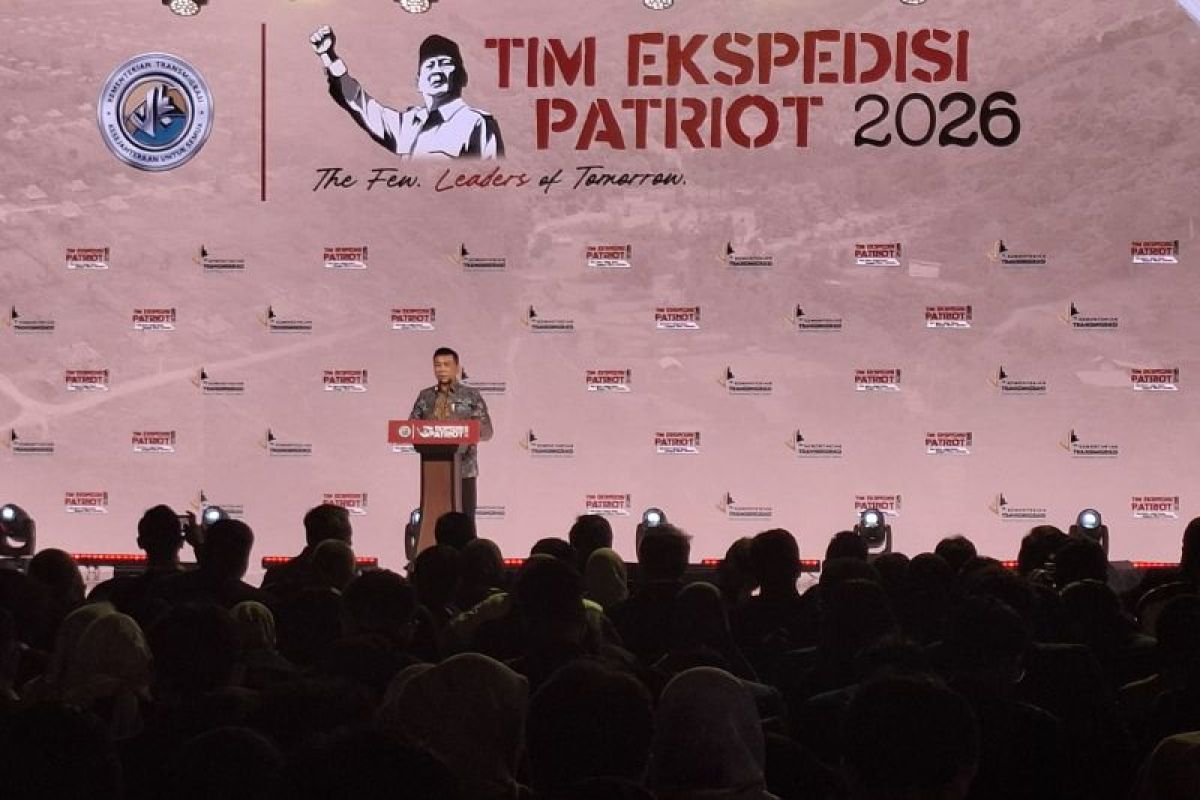
The Ministry of Energy and Mineral Resources (ESDM) has stated that Indonesia’s new and renewable energy (EBT) potential of 3,687 gigawatts (GW) opens up space for clean energy development to strengthen energy security and regional development. “Indonesia also has enormous new and renewable energy potential, reaching 3,687 GW, dominated by solar, hydro, and wind power,” said ESDM Inspector General Yudhiawan during a briefing for the Patriot Expedition Team 2026 in Jakarta on Wednesday. He noted that the installed EBT power generation capacity as of June 2026 had only reached approximately 16,321 megawatts (MW) or 16.32 GW. According to him, the gap between the vast potential and the installed capacity indicates there is still ample room to accelerate the utilisation of clean energy in Indonesia. The development of EBT is not only directed at strengthening national energy security and independence but also at supporting the development of transmigration areas as new economic growth centres. “Accelerating the utilisation of EBT not only strengthens energy security but also supports the development of transmigration areas by providing clean and sustainable energy supplies,” he said. Yudhiawan stated that the government is preparing the construction of national power plants with a capacity of 69.5 GW, with additional EBT-based generation reaching 43.6 GW. This development is supported by plans to build 47,758 kilometres of transmission networks and substations with a capacity of 107,950 megavolt ampere (MVA). He noted that strengthening the network and generation capacity is necessary to improve the reliability of electricity supply, including in transmigration areas and frontier, outermost, and disadvantaged (3T) regions. Expanding the electricity grid is an option for villages located near distribution networks, while EBT-based mini-grid systems are directed at remote areas, islands, and scattered settlements. Yudhiawan mentioned that the Papua region has local renewable energy potential, including solar and micro-hydro, which can be utilised to provide sustainable electricity in hard-to-reach areas. The government is also continuing the Village Electricity Programme and the New Electricity Connection Assistance programme to expand energy access for households that have not yet received electricity services. In 2025, village electrification development covered 1,516 locations and provided electricity access to 77,616 households, with the programme continuing in 2026. Yudhiawan assessed that providing electricity in 3T regions is necessary to improve the quality of life and support education, health, and economic activities. Beyond EBT development and electrification, the strategy towards energy sovereignty is carried out through three pillars: energy independence, energy security, and energy self-sufficiency. The government is targeting an increase in national energy reserves from the current range of 18 to 21 days to at least 30 days by expanding national crude oil storage capacity. Energy self-sufficiency efforts also include increasing oil and gas lifting, developing electric vehicles, utilising gas to replace LPG, and increasing the use of clean energy.