
Eradicating Corruption, Preserving the Integrity and Dignity of Higher Education
Ing ngarsa sung tulada, ing madya mangun karsa, tut wuri handayani. This idea from Ki Hadjar Dewantara carries the message that education does not stop at the process of transferring knowledge, but also involves providing exemplary leadership, building will, and providing encouragement for societal progress.
This spirit is reflected in our ‘Tridharma Perguruan Tinggi’ (the Three Pillars of Higher Education): education and teaching, research and development, and community service. The Tridharma represents the three main pillars of higher education administration in Indonesia, as regulated by Law Number 12 of 2012 concerning Higher Education. These three elements should not be viewed merely as administrative obligations, but as a unified whole that connects the learning process, the development of science, and the benefits provided to society.
Universities, therefore, are not merely places to pursue academic degrees. A campus is a sacred space for building critical reasoning, generating knowledge, and returning that knowledge to the community through service. This is where the Tridharma finds its meaning: knowledge is studied through education, developed through research, and its benefits are realised through service for the advancement of the nation.
The Irony of Higher Education
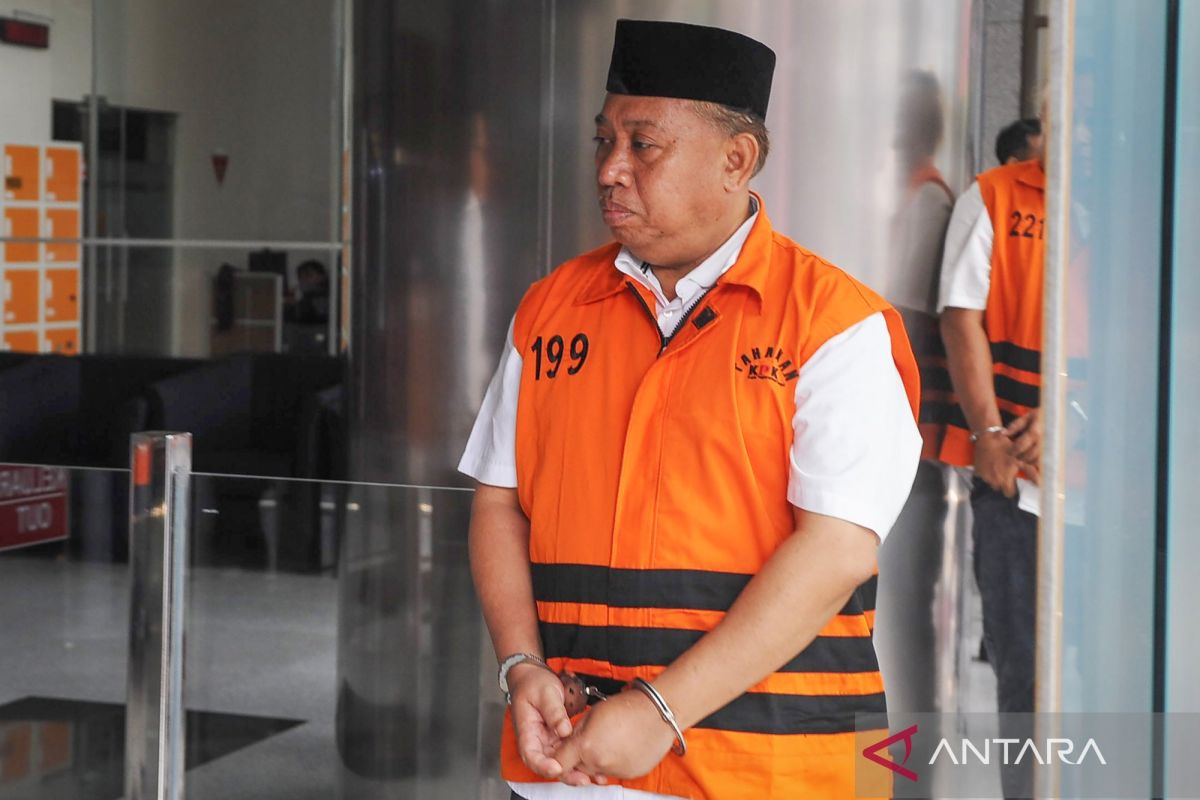
Today, the irony within our universities repeats itself. In August 2026, the Corruption Eradication Commission (KPK) conducted a sting operation against the Rector of Jenderal Soedirman University (Unsoed), Akhmad Sodiq, and several related parties regarding alleged corruption in the independent student admission pathway. The KPK subsequently named six individuals as suspects, namely Akhmad Sodiq, Vice Rector for Student Affairs Norman Arie Prayogo, Head of Academic Affairs Eko Sumanto, and three private individuals.