
Epstein, Iran, and Taylor Swift: The Crises That Forced UK PM Keir Starmer to Resign
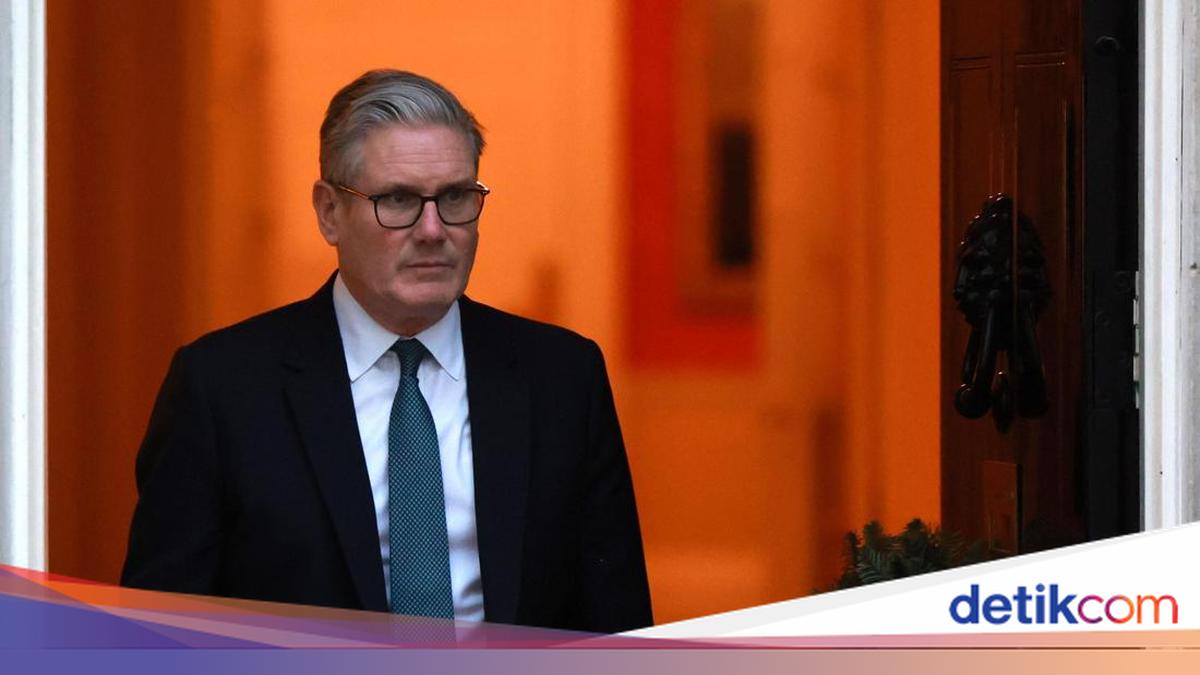
Less than two years after securing one of the largest election victories in UK history, Sir Keir Starmer has been forced to resign as prime minister by his own party. He won a majority of the public’s votes by promising decisive and steady leadership amid increasingly chaotic political circumstances. However, his popularity rapidly plummeted, and he faced pressure to step down following poor election results in England, Scotland, and Wales in May. “I will resign as leader of the Labour Party,” Starmer said, setting a timetable that allows a new government to be formed before Parliament returns in September. Sir Keir acknowledged his party was questioning whether he was the right person to lead them into the next election. But before announcing his resignation, Starmer said he inherited a Labour Party that was “bankrupt politically, financially, and morally.” When voters turned to Labour in 2024, they were weary of the previous 14 years of Conservative Party rule, not necessarily because they liked the lawyer-turned-MP. In his victory speech at the time, Sir Keir pledged to end the “chaos” and deliver “national renewal.” Yet with the cost of living soaring, relations with the US becoming strained, and internal conflicts rocking the Labour Party, the new prime minister quickly lost his appeal. The right-wing populist party Reform UK surpassed Labour’s popularity in opinion polls in the spring of 2025 and has maintained its lead ever since. After losing seats in local elections in early May, his own party began to rebel. Here is how the UK’s sixth prime minister in a decade ultimately resigned. Economic troubles From the outset, Sir Keir’s government showed signs of difficulty. Within just three months, he returned gifts and hospitality worth more than £6,000 that he had received since becoming prime minister, including tickets to watch Taylor Swift. Although no rules were broken, reports of ministers accepting gifts were poorly received by the public, especially as the economy remained sluggish and the government was under scrutiny over its ability to deliver promised reforms. Simultaneously, he was attacked by the right wing for failing to curb the number of migrants illegally crossing the English Channel from France. Several opinion polls consistently rated Sir Keir as deeply unpopular, with his approval ratings at times nearing record lows for a UK prime minister. The economic impact of the war in Ukraine and subsequently in Iran exacerbated the situation, potentially pushing the UK to the brink of recession. The energy shock from the Middle East conflict hit the UK hardest among the world’s developed nations, according to an International Monetary Fund (IMF) report in April. In its latest forecast, the IMF raised its growth estimate to 1 per cent from 0.8 per cent for 2026. Epstein and the ambassador One of the biggest scandals to hit Sir Keir Starmer’s premiership emerged after the Epstein files named the UK Ambassador to the United States, Lord Peter Mandelson. Having built a reputation as a brilliant political strategist under Tony Blair, Lord Mandelson twice left the Labour government under a cloud of controversy. Sir Keir chose Lord Mandelson as an envoy to the UK’s most important ally despite knowing the diplomat maintained a friendship with Jeffrey Epstein even after the financier was convicted of involving a minor in prostitution. Documents released by the US government in January revealed new information about the convicted sex offender’s contacts with Lord Mandelson. This triggered an ongoing police investigation into material that appeared to show Lord Mandelson sharing confidential UK government information with Epstein. Lord Mandelson has not commented on the emails, but the BBC understands his position is that he did not commit any criminal act and was not motivated by financial gain. Sir Keir Starmer sacked Lord Mandelson in September, but the case led many to question the prime minister’s judgement and weakened the image of competent leadership he sought to project. Deteriorating relations with Trump One reason Sir Keir risked appointing Lord Mandelson as ambassador was the hope that he would forge closer ties with US President Donald Trump. Although relations between Sir Keir and Trump were initially warm, the “special relationship” between the two countries soured after Sir Keir initially refused to engage in the war with Iran. Sir Keir later reversed his position, allowing US forces to use UK bases to launch “defensive” strikes against Iranian missile sites. However, this move failed to placate Trump’s anger, who continued to hurl insults at Sir Keir, and sparked fury among Labour supporters opposed to UK involvement in the conflict. For some critics of the prime minister, the move epitomised his leadership: belatedly reaching a compromise that infuriated both sides. Indeed, the US president appeared to have anticipated Sir Keir’s resignation. In a social media post on Sunday (21/06), Trump said that Sir Keir “will resign”.