
Epidemiologist Reveals Dangers of Volcanic Ash and Proper Cleaning Methods
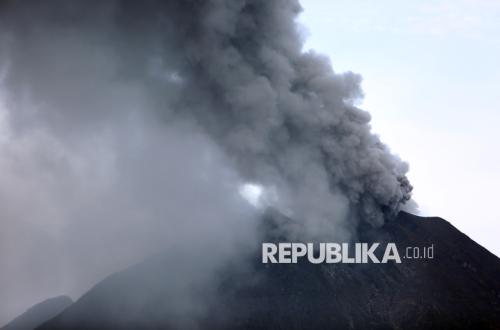
An epidemiologist from Griffith University Australia, Dicky Budimann, has revealed the dangers of volcanic ash when it comes into contact with the body and the correct procedures for cleaning it. Exposure to volcanic ash can be hazardous to health as it causes irritation.
“This volcanic ash is very different from ordinary ash or dust because it contains silica, which acts like sharp, destructive glass shards, particularly affecting organs such as the eyes, nose, mouth, and skin,” said Dicky in Jakarta on Sunday (6/9/2026).
Regarding the eyes, volcanic ash can cause redness, stinging, watering, light sensitivity, and even abrasions. The eyes may also experience conjunctivitis, leading to inflammation, a burning sensation, and photosensitivity.
In the respiratory tract, exposure to volcanic ash can cause irritation of the nose and throat, runny noses, dry coughs during high exposure, and shortness of breath or chest pain.
These symptoms, he noted, can worsen in sufferers of asthma or chronic bronchitis, manifesting as productive coughs, wheezing, or whistling breath.
“Sufferers are advised to avoid heavy physical activity when volcanic ash levels in the air are high and circulating, as faster breathing will draw fine volcanic ash particles deeper into the lungs. Furthermore, fresh volcanic ash can have an acidic layer that increases the irritating effect on the lungs and eyes before being washed away by rain,” he said.
Therefore, all parties need to clean volcanic ash as soon as possible using water. Efforts should be made not to rub the ash on surfaces or shake clothing to prevent further widespread dispersal.
Additionally, he recommends that the public ensure all windows and doors are tightly closed.