
Environmentally Friendly Buildings Can Boost Urban Resilience to Climate Crisis
Increasing temperatures, extreme rainfall, and more frequent flooding in various Indonesian cities serve as a reminder that urban development must become more adaptive to climate change. Amidst these challenges, the building sector plays a strategic role in creating more resilient cities and supporting carbon emission reduction.
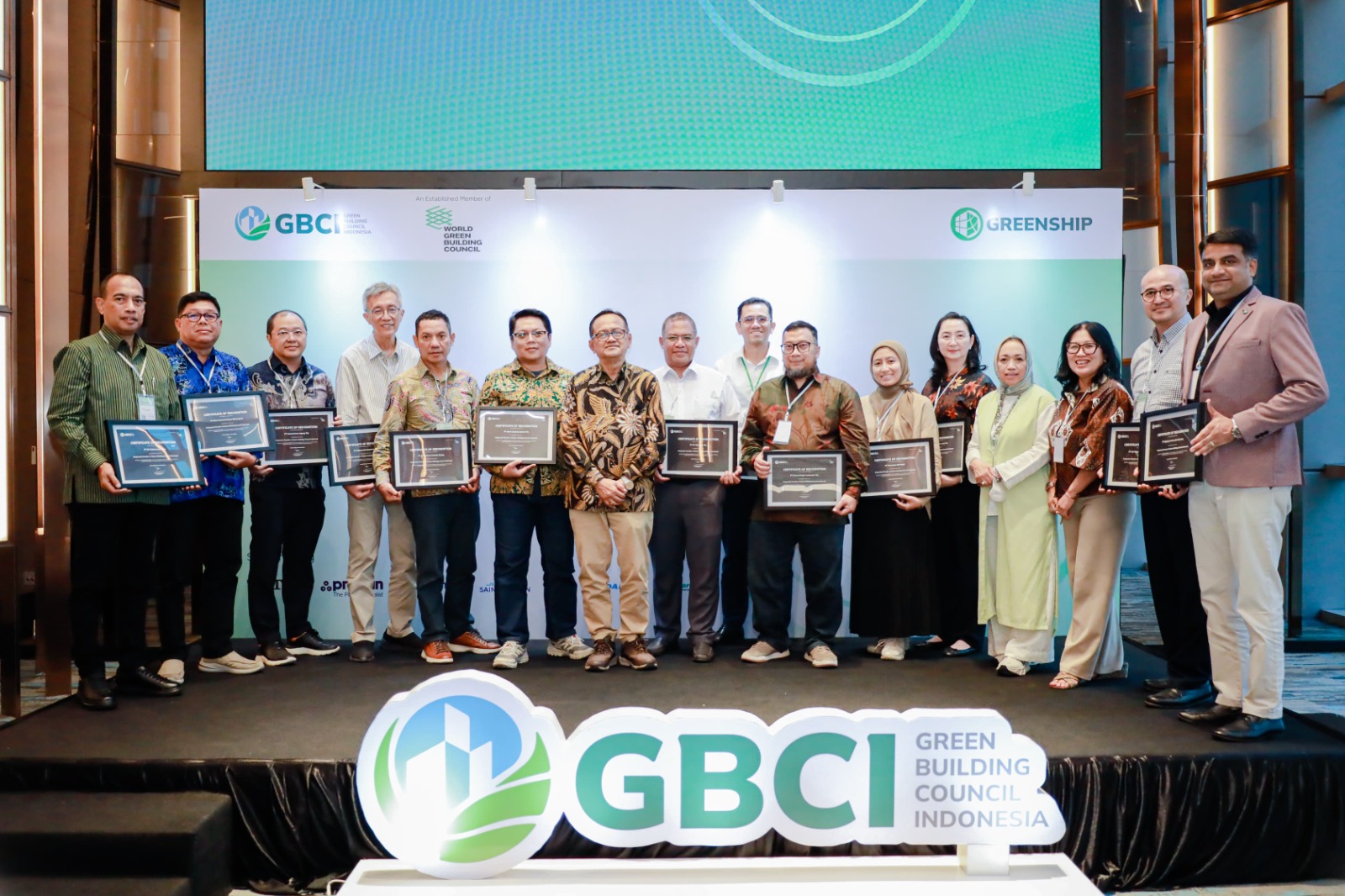
This issue took centre stage at the Annual Community Gathering 2026 held by the Green Building Council Indonesia (GBCI) under the theme “Building Forward: Accelerating Green Buildings for Climate Resilient Indonesia” in Jakarta. The forum brought together government, industry players, academics, and communities to strengthen collaboration in promoting green building adoption as part of a strategy to address the impacts of climate change.
As an organisation focused on sustainable development, GBCI continues to drive transformation in the building sector through the development of green building standards, human resource capacity building, certification, and cross-sector collaboration. These efforts are expected to support low-carbon development and enhance urban resilience and the quality of life for communities.
GBCI Chairperson Ignesjz Kemalawarta stated that the challenges of climate change cannot be faced by a single party alone, requiring strong synergy from various stakeholders. “Building climate resilience requires strong collaboration. The government, industry players, academics, and the community have complementary roles in delivering buildings that are more adaptive, efficient, and sustainable. Through the Annual Community Gathering 2026, GBCI aims to bring these parties together so that collaboration can develop into concrete actions that impact cities and communities,” she said on Wednesday (8/7/2026).
As part of the event, GBCI held a discussion titled “Climate Resilient Buildings for Climate Resilient Cities” which explored various strategies for strengthening climate resilience in the building sector. The discussion highlighted the importance of integrating government policies, applying international standards, and adopting best practices to enhance the ability of buildings to withstand climate change risks.
Among the speakers, Head of the Development and Environment Bureau of the DKI Jakarta Regional Secretariat Iwan Kurniawan presented urban development policies and climate resilience. Technical Specialist from the International Finance Corporation Erlyana Anggita Sari explained the application of the Building Resilience Index as an approach to support climate adaptation in buildings. Meanwhile, Country Managing Director of the Global Building Performance Network (GBPN) Farida Lasida shared international experiences in improving building performance as part of a strategy to build cities that are more resilient to climate change.
Beyond the discussion forum, GBCI introduced its strategic organisational agenda for 2026, which focuses on capacity strengthening, expanding cross-sector collaboration, and accelerating the implementation of green buildings in Indonesia. The agenda was presented by GBCI Director of Communication and Partnership Wiza Hidayat, who outlined various programmes throughout the year, including the Indonesia Green Building Festival in September to support World Green Building Week.
Through these initiatives, GBCI hopes that the knowledge exchange fostered will encourage more parties to engage in the transformation of the building sector towards more sustainable development. A commitment to sustainability was also applied in the event’s execution. The Annual Community Gathering 2026 adopted a green event concept by calculating the carbon emissions generated from participants’ travel to the venue and offsetting them through a carbon offset programme. This step serves as an example that sustainability principles can be realised not only in policies and discussions but also through concrete practices in every event.