
Environmental activist warns of the impact of Waste-to-Energy plant development in Makassar
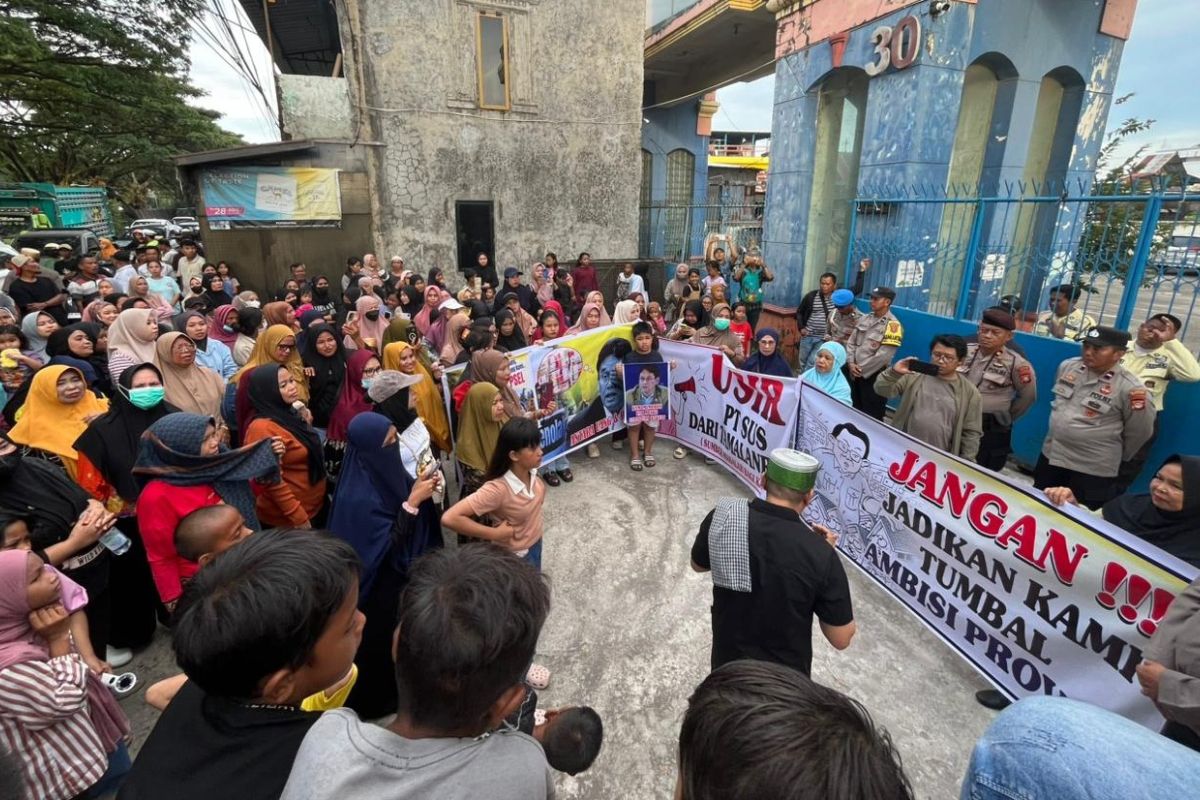
Environmental activist warns of the impact of Waste-to-Energy plant development in Makassar.
Makassar — Walhi National campaigner Wahyu Eka Styawan said that if the construction of a Waste-to-Energy plant (PLTSa) proceeds in Tamalanrea, Makassar, the air pollution impacts could be severe. ‘Waste-to-Energy plants are promoted as a solution to waste and energy, yet they produce not only electricity but also toxic ash and persistent pollutants such as dioxins and furans,’ he said in response to residents’ objections to siting in a densely populated area in Makassar, South Sulawesi, on Friday.
Based on a 2024 study by Walhi in collaboration with the Nexus3 Foundation, Indonesia’s waste is often wet and mixed with plastics, making combustion inefficient and increasing the formation of toxic dioxins and furans. Measurements at several operating PLTSa facilities show dioxin levels exceeding safe thresholds, contaminating the food chain such as chicken eggs, and concentrating in the residual ash which is classified as hazardous B3 waste for soil and water.
This strengthens concerns about the environmental and health impacts of the technology. The planned Tamalanrea PLTSa in Makassar would pose health risks and other environmental problems. ‘Operating PLTSa facilities will push Indonesia to remain trapped in downstream solutions and forget the mandate of Law Number 18 of 2008 which focuses on reducing waste at the source,’ said the Walhi National Urban Justice Campaigner.
A 2020 Cole-Hunter study, ‘The Health Impacts of Waste-to-Energy Emissions: A Systematic Review of the Literature’, indicates that Waste-to-Energy facilities with unsegregated waste feed produce highly concentrated toxic emissions, notably dioxins, furans, and heavy metals, which can trigger carcinogenic and non-carcinogenic effects such as cancer, respiratory disorders, and ecological damage. These toxins do not disappear after combustion but remain in the ash, potentially contaminating soil and groundwater.
Nexus3 Foundation Senior Advisor Yuyun Ismawati noted that beyond health risks, the project has drawn public scrutiny for lack of transparency. The Surabaya and Makassar PLTsa projects, she said, have AMDAL documents issued covertly, difficult to access publicly, and socialisation has been purely symbolic.
Thousands of residents in Tamalanrea protested the location, which would be very close to dense housing and a school that houses around 1,000 students, describing it as a threat to vulnerable groups, especially children and the elderly. One local resident, a cancer survivor identified as N, said the plant would be only 10 metres from his home, and fears that if it operates, his condition could worsen even after a year of chemotherapy.
Coordinator of the People’s Movement to Reject the PLTSa Tamalanrea site (GERAM), H Akbar Adhy, stated that residents unanimously oppose the project. They have met the City Government to raise the issue and asked it to relay concerns to the Central Government, and they are prepared to pursue legal action.
Head of Walhi Sulsel’s Energy Transition Division, Fadli, urged the government to reassess the project and to reinforce waste management based on Zero Waste Cities and upstream approaches, noting that source-separation can cut waste to the Antang landfill by up to 50 percent.
Source: jawawa.id (https://jawawa.id/newsitem/environmental-activist-warns-of-the-impact-of-waste-to-energy-plant-development-in-makassar-1779542150)
Originally published by Antara (Indonesian) (https://www.antaranews.com/berita/5578148/aktivis-lingkungan-ungkap-dampak-pembangunan-pltsa-di-makassar), translated from Indonesian