
Environment Ministry and MUI strengthen Ecological Repentance movement to restore the environment
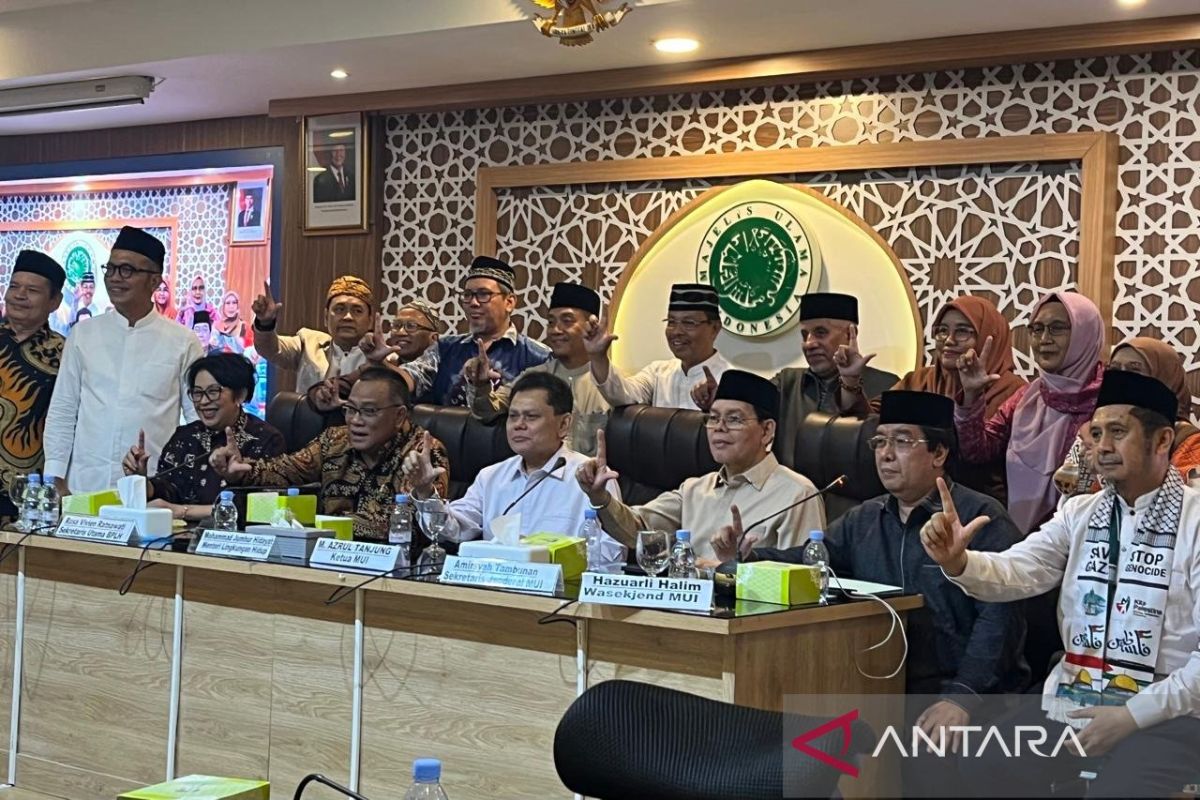
Jakarta (ANTARA) – The Environment Ministry (KLH) is collaborating with the Indonesian Ulema Council (MUI) to strengthen the Ecological Repentance movement, aiming to raise public awareness of environmental protection and restoration amid growing threats from ecological disasters.
“Honouring the environment is a shared movement. The government is only one part of it. That is why the government needs to work together with MUI, because environmental issues also concern awareness and religiosity,” Environment Minister Jumhur Hidayat said during a visit to MUI’s office in Jakarta on Friday.
Jumhur said that honouring the environment was a shared responsibility that could not be left solely to the government, and also required the involvement of the public, religious organisations and businesses.
He said religious values could provide an important foundation for building collective awareness of the need to preserve nature. Through its collaboration with MUI, KLH hopes religious perspectives will strengthen efforts to protect and restore the environment.
According to Jumhur, the Ecological Repentance movement rests on three main principles: acknowledging the harm already done to the environment, committing not to repeat it, and taking practical steps to repair the damage.
He said the principles applied to everyone—individuals, organisations, companies and the government—according to their respective responsibilities and authority.
At government level, Ecological Repentance could be put into practice by improving inadequate regulations and strengthening oversight of activities that could damage the environment.
“If regulations should be in place to ensure the public behaves responsibly towards the environment but have not been made, then they must be made now. Likewise, if oversight should be strict but has not been effective, it must be improved,” he said.
Jumhur also stressed that companies profiting from their business activities must be responsible for restoring affected environments. The government would press them to meet this obligation through warnings and, if they failed to act, legal measures.
“If a warning does not work, we will compel them. If that still does not work, we will pursue tougher measures. This could lead to criminal proceedings and disputes that would be highly detrimental to the company itself,” he said.
Jumhur added that large-scale environmental restoration could also create new economic opportunities, including green jobs, increased employment and greater production of the goods and equipment needed for environmental restoration.
Echoing Jumhur, MUI Secretary-General Amirsyah Tambunan praised KLH’s efforts to promote Ecological Repentance as a way to protect and restore the environment through a religious approach.
He said Ecological Repentance had to begin with collective awareness—a shared commitment to honouring the environment. This could start with individuals, families and their local surroundings.
Source: jawawa.id (https://jawawa.id/newsitem/environment-ministry-and-mui-strengthen-ecological-repentance-movement-to-restore-the-environment-1792760030)
Originally published by Antara (Indonesian) (https://www.antaranews.com/berita/5807847/klh-dan-mui-perkuat-gerakan-tobat-ekologis-untuk-pulihkan-lingkungan), translated from Indonesian