
Environment Minister Warns Business Owners: Don't Be Greedy and Destroy the Environment
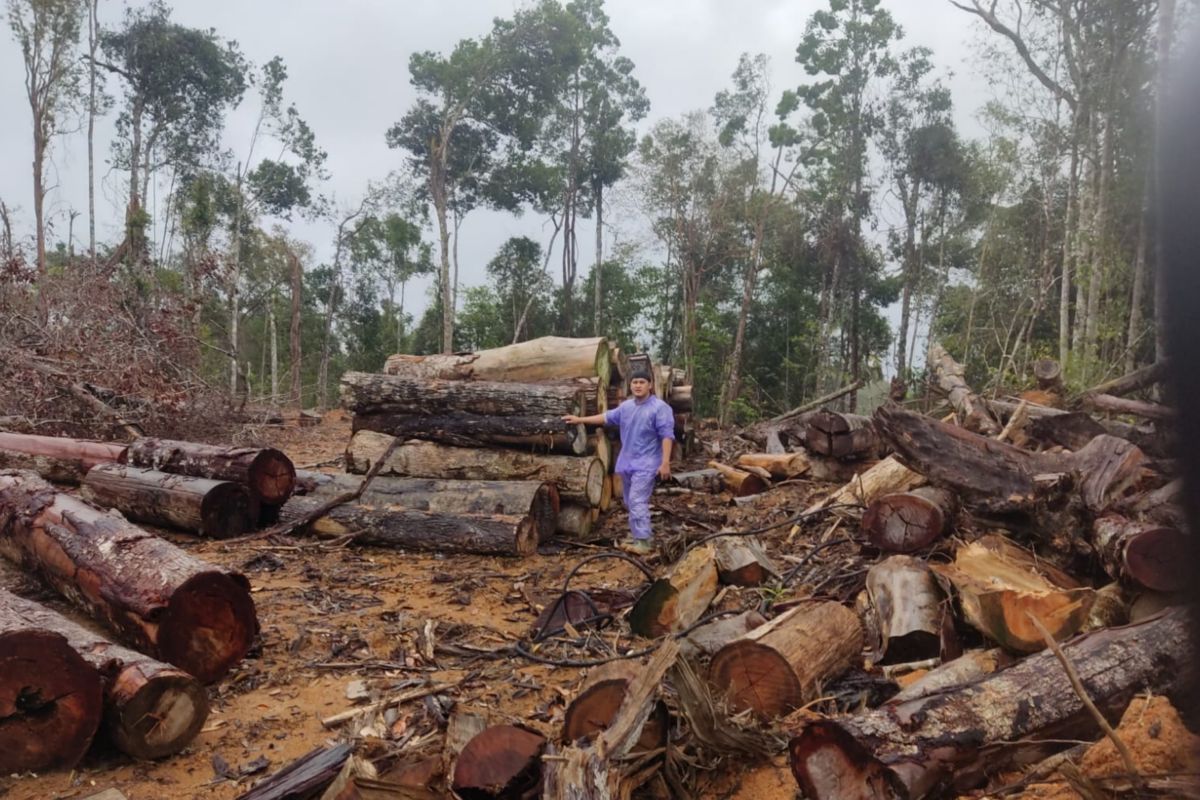
Environment Minister Moh Jumhur Hidayat has reminded business owners not to be greedy and to avoid sacrificing environmental sustainability in the pursuit of profit alone. He stressed that environmental protection must not be seen as a barrier to investment, but rather as the foundation for sustainable development amid Indonesia’s efforts to accelerate economic growth.
“Don’t say it’s a loss, but say I still made a profit of eight hundred billion rupiah, while two hundred billion rupiah was for saving the environment. If they consider that two hundred billion rupiah a loss, then that is called greed. One of my tasks is to ensure that people must not be greedy. If they are greedy, then they must face the rules. So the treatment is the same,” Jumhur said in an official statement on Wednesday (1/7).
He delivered this statement as an illustration for business owners in the extractive industry sector. Jumhur gave an example: if a business owner earns a profit of one trillion rupiah from their operations in a concession area, and then has to spend one hundred to two hundred billion rupiah to repair the environmental damage in that area, that cost should not be called a loss.
On the occasion, Jumhur also quoted Mahatma Gandhi, “Earth provides enough to satisfy every man’s needs, but not every man’s greed.” According to him, this message is relevant to today’s development challenges, which must place environmental sustainability as part of corporate responsibility.
Jumhur acknowledged that permits granted to extractive industries do factually create economic growth and employment. Nevertheless, he stressed that every industrial activity must be accompanied by environmental restoration and protection measures.
“For example, if a company digs a mine and then makes a profit, the company must reclaim the former mine it managed. In addition, the company must plant trees and ensure that waste management, both liquid waste and other waste, is carried out properly. These activities require a certain budget, but that is also where green jobs will be created,” Jumhur said.
He added that business activities today cannot be separated from their connection to the international community. Several countries have implemented increasingly strict environmental standards, so compliance with environmental protection has become part of business competitiveness.
“So the cost of managing the environment should not be considered a burden, but as an investment to save the earth. This policy applies to everyone,” Jumhur asserted.
The Ministry of Environment views the business community’s commitment to protecting the environment as not only important for meeting regulations, but also as a long-term investment for business sustainability, increasing competitiveness, and the future of a greener Indonesia.