
Environment Minister to Take Firm Action Against Local Governments Practising "Open Dumping"
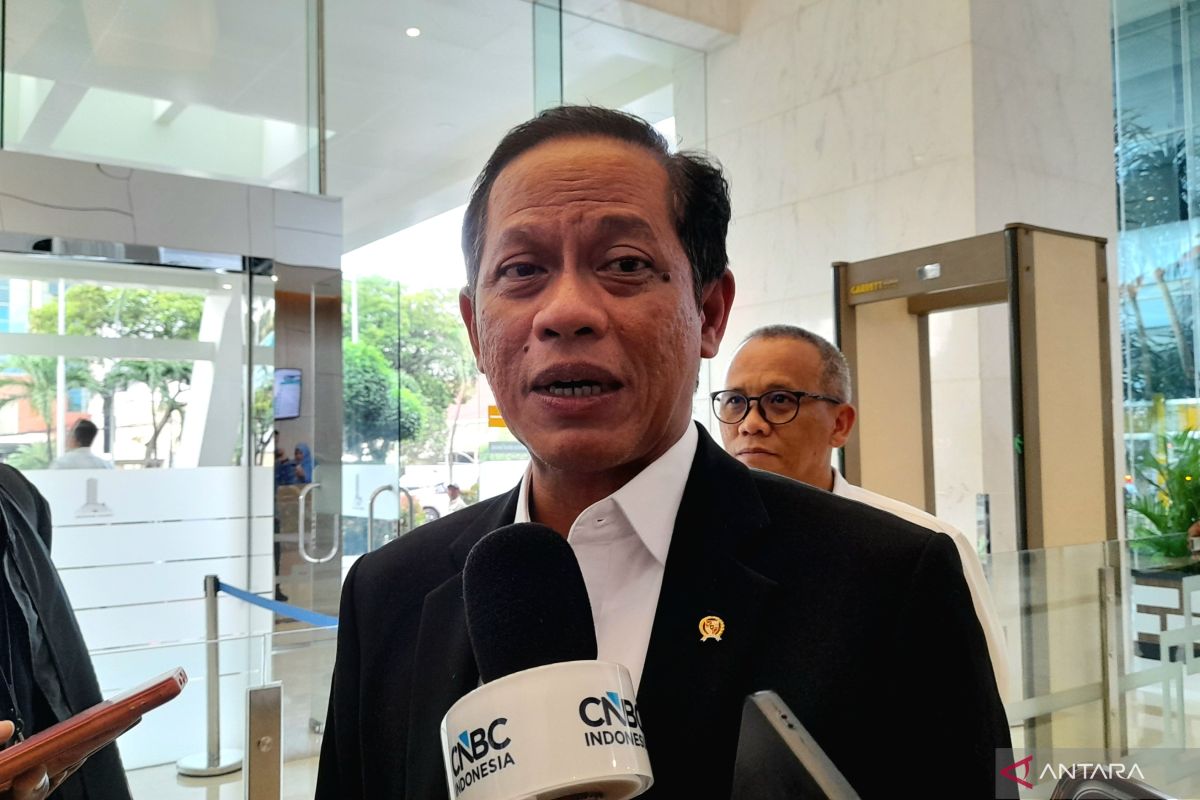
Jakarta (ANTARA) - Environment Minister Hanif Faisol Nurofiq has stated that he will take firm action against local governments that continue to practise open dumping, or the open disposal of waste on land without processing or environmental safeguards.
When met at the Office of the Coordinating Ministry for Food, Jakarta, on Tuesday, Hanif emphasised that this policy does not mean closing final processing sites (TPAs), but rather urging local governments to promptly address waste pile-up issues through more sustainable processes.
“What is being closed is not the TPA, but the open dumping practice itself. Open dumping means waste is simply dumped without being covered with soil; it should have been covered with geotextile (a synthetic fabric material to prevent soil subsidence). This open dumping practice must be ended. The 2008 Law already mandated cessation by 2013, and now it is 2026—there is no reason to delay,” he said.
He cited the indictment of the former Head of the Jakarta Environmental Agency (Kadis LH) who caused fatalities due to open dumping practices at the Integrated Waste Processing Site (TPST) Bantargebang, Bekasi, West Java, as a warning that the Environment Ministry will not hesitate to take firm action against local governments still engaging in such environmentally damaging practices.
Hanif also noted that Indonesia’s daily waste accumulation amounts to nearly 141–143 thousand tonnes, with varying characteristics in each region influenced by demographics and location.
“In large cities like urban or metropolitan areas, waste requires rapid handling. The most advanced technology closest to implementation is incineration (high-temperature burning) with proven studies. There are several dozen items that must be agreed upon before incineration is built in a location. Currently, we are in the process of tendering in three locations,” he explained.
The three ongoing locations are Bali, Bekasi City, and the Bogor agglomeration. Currently, the Environment Ministry is accelerating the procurement process for goods and services to build incineration technology in these three regions.