
Environment Minister targets zero waste balance by 2029 through various technologies
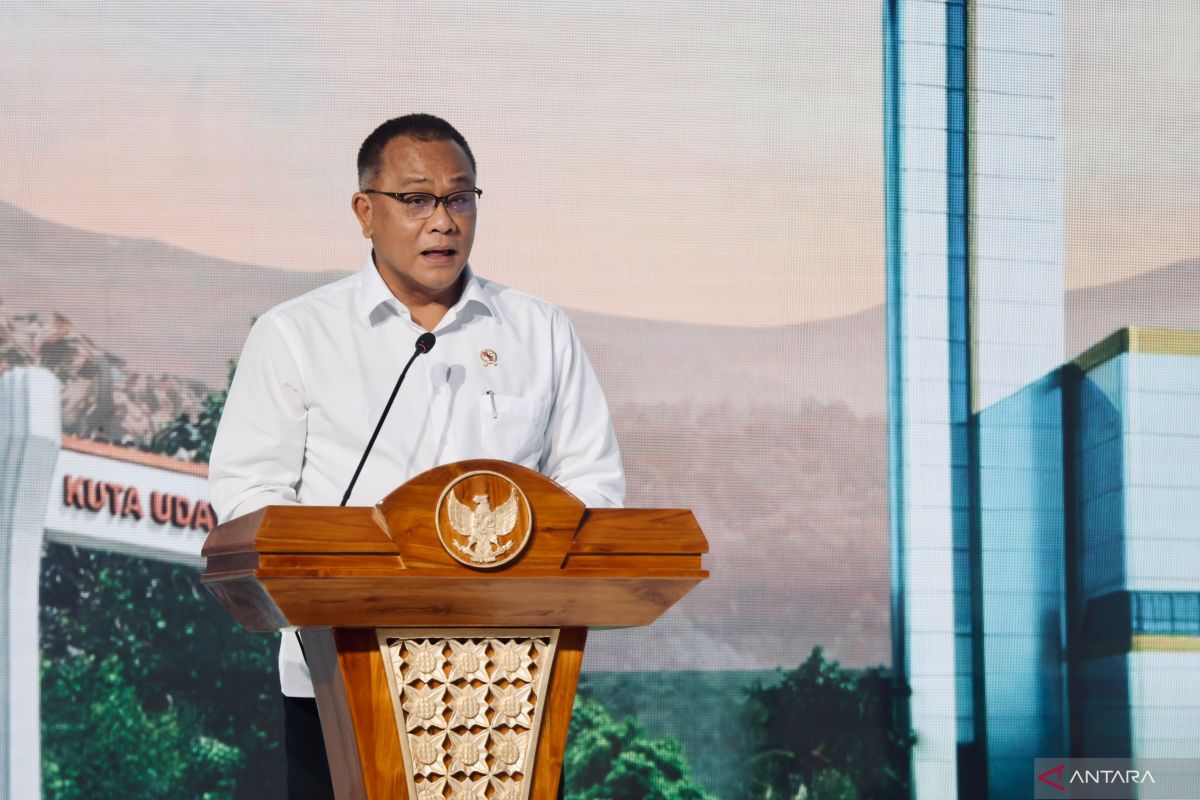
The Minister of Environment/Head of the Environmental Control Agency (BPLH), Mohammad Jumhur Hidayat, aims for Indonesia’s waste balance to reach zero by 2029 through the implementation of various processing technologies.
“Even those without PSEL (Waste-to-Energy Plants) must achieve a zero balance. It must be completed by 2029; that is the target,” stated Minister Jumhur Hidayat during the inauguration of the Bogor Raya 1 Waste-to-Energy Plant construction in Bogor Regency, West Java, on Thursday.
He revealed that the new PSEL programme covers approximately 60 regencies/cities, while around 4pend 470 other regencies/cities still require waste management solutions.
According to Jumhur, the government will not rely solely on waste-to-energy technology to achieve this target. Various technologies can be applied according to the characteristics and volume of waste in each region, including pyrolysis, Refuse-Derived Fuel (RDF), briquettes, and pelletising.
He noted that technologies other than PSEL can be implemented in areas that produce smaller volumes of waste, which may not meet the scale required for electricity generation.
The Environment Minister also reminded that waste generation issues must still be addressed while waiting for PSEL facilities to be completed and operational. He noted that facility construction takes approximately two years, whereas waste will continue to be produced daily, particularly organic waste, which can cause odours and environmental issues.
He emphasised that the Ministry of Environment (KLH) remains tasked with ensuring waste management continues from the present moment, through the construction phase, and until the PSEL plants are operational.
The Bogor Raya 1 PSEL plant itself is designed to process more than 500,000 tonnes of waste per year with an investment value of approximately Rp2.8 trillion. The project is projected to generate green energy to supply electricity to over 100,000 homes in the Bogor Raya area, while simultaneously reducing the need for landfill space by approximately 80 per cent.