
Environment Minister reminds regional governments to end open dumping landfills by July 2026
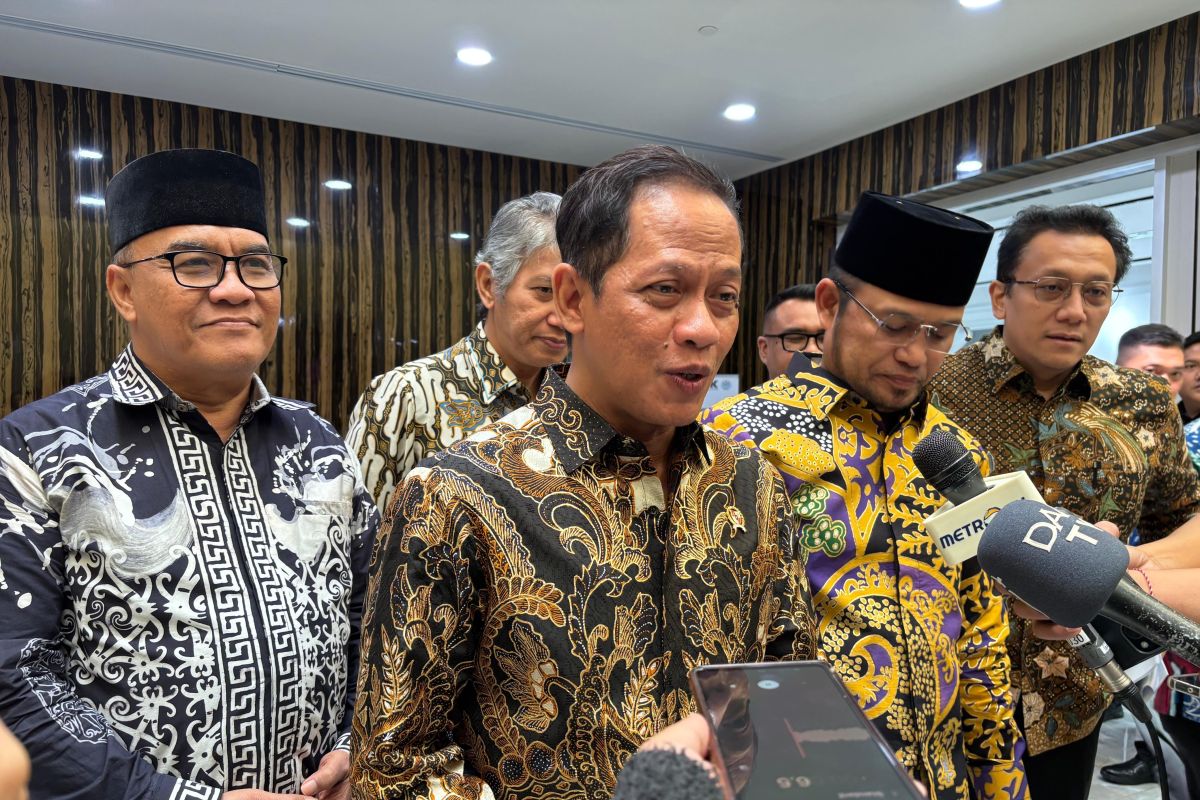
Jakarta (ANTARA) - Environment Minister Hanif Faisol Nurofiq has reminded regional governments that open dumping landfills or open disposal sites must be terminated no later than July 2026. “In 2026, we will end all open dumping activities. We are giving time to regents/mayors, under the supervision of governors, to resolve open dumping landfills no later than July 2026,” said Environment Minister Hanif Faisol Nurofiq after the signing of a cooperation agreement between the East Kalimantan Provincial Government and regents/mayors at the Ministry of Environment and Forestry Office, Jakarta, on Friday. “After that, we will take a criminal approach to force all waste management operators in the country to close open dumping,” added the Environment Minister. He emphasised that this closure is crucial because open dumping waste management has the potential to cause disasters with significant impacts. He specifically highlighted the recent rubbish landslide at the Bantargebang TPST, which killed seven people. The termination of open dumping landfills is also intended to fulfil waste management targets based on the 2025-2029 National Medium-Term Development Plan (RPJMN). He noted that the current waste management rate stands at 26%. However, if open dumping landfills are successfully ended this year, the waste management rate could reach 57.75%. “Thus, the remaining target of 63.41% will be met by closing all illegal TPS,” said Minister Hanif. Based on data from the Ministry of Environment and Forestry/Environmental Control and Management Agency, the daily waste generation is 141,926 tonnes, of which 37,001 tonnes per day are already managed. Of this amount, the majority of managed waste goes to landfill sites at 15,189 tonnes per day, and is handled by the informal sector at 9,450 tonnes. The rest is managed through composting facilitation, 3R waste management sites, and waste banks.