
Environment Minister Jumhur Aims to Resolve Waste Management Issues
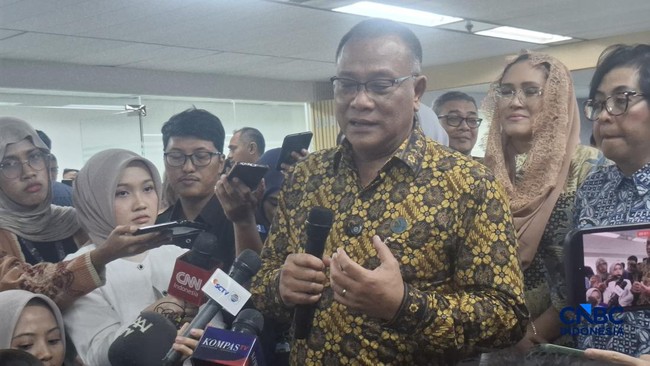
Jakarta, CNBC Indonesia - The new Environment Minister, Jumhur Hidayat, has prepared various measures to support President Prabowo Subianto’s programme regarding environmental issues in Indonesia.
Jumhur stated that his side will continue the waste management programme to resolve it within the next two to three years.
“We will continue the programme related to waste handling. We have eight agglomerations, if I’m not mistaken, the construction of waste-to-energy facilities is underway, then we will evaluate how far the progress is to make it a reality soon, we will push because this is urgent,” said Jumhur when met by reporters at his office on Wednesday (29/4/2026).
In the future, in building waste processing facilities, his side will listen more to input from the public.
“Many people have ideas and concepts on how to turn waste into value. For example, waste processing using RDF. We will continue to encourage all community movements that have aspirations to process waste; the government must be welcoming, and we will explore together to make it a reality. Hopefully, by 2028, we can complete it,” he explained.
Besides waste issues, his side will also consider evaluating laws related to the environment and climate, such as the Job Creation Law on environmental aspects, the Climate Change Bill, and the Climate Justice Bill.
“Regarding written laws, we will certainly evaluate several aspects, especially regarding how far the public’s role can be involved in this process, who that public is, and so on. But the main point is, even if the state acts, it must be on behalf of the people, ensuring the protection of the people, indigenous communities, and local communities to ensure they are safe and increasingly prosperous,” he clarified.
He also desires sustainable development that is more environmentally friendly and supports surrounding communities, including indigenous peoples.
“So there should be no more extractive developments that displace people, even making communities ill or less prosperous; the perspective must be reversed, communities must prosper, and we can do it,” he stated.