
Environment Minister: Indonesia Currently Facing Triple Planetary Crisis
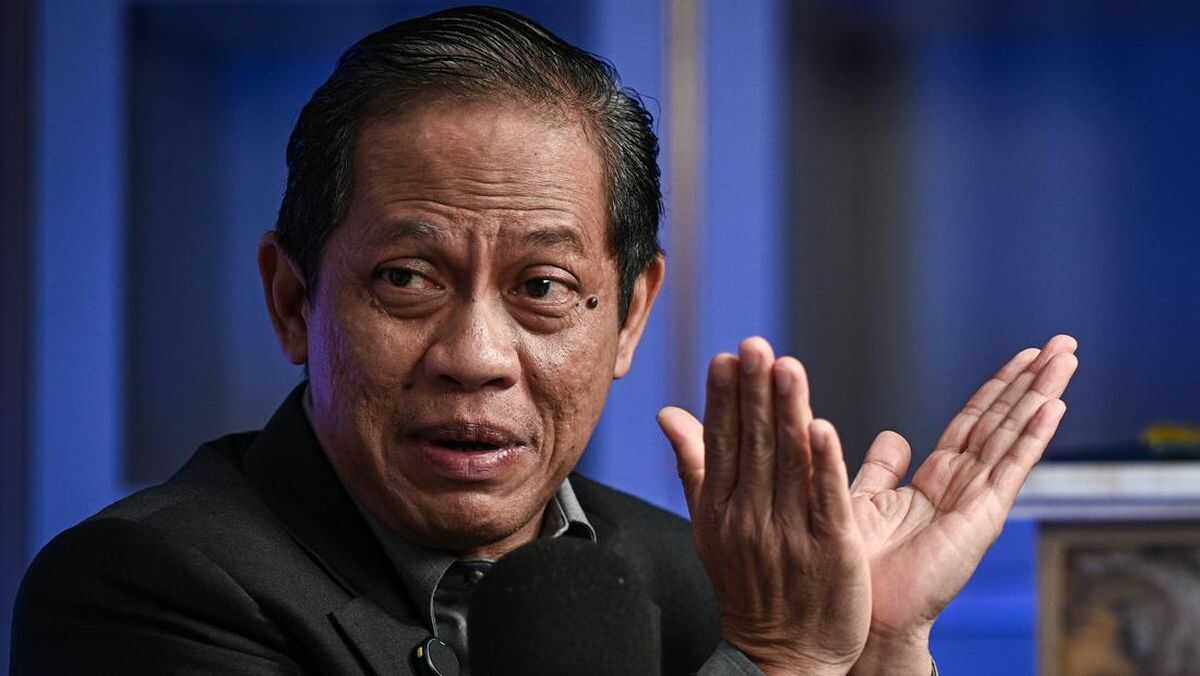
Environment Minister Hanif Faisol Nurofiq has stated that Indonesia is currently caught in a triple planetary crisis — three major global crises comprising climate change, pollution, and waste.
He made the remarks during a river clean-up and tree-planting event along the Cikeas River in Sentul, Babakanmadang District, Bogor Regency, West Java, last weekend on Sunday (15 February).
“We are truly in the midst of a triple planetary crisis. This is no longer a global issue — it has become a real challenge we face day after day,” Hanif said.
He referred to UNFCCC data recording that global temperatures in 2024 were the highest in history, with an increase of 1.4 degrees Celsius compared to the pre-industrial era.
“This 1.4-degree rise has a significant impact on tropical countries like Indonesia. Extreme rainfall, hydrometeorological events, flooding, and rising sea levels have become a new pattern, no longer an anomaly,” he said.
Hanif also highlighted the condition of rivers in Indonesia, noting that none are truly free from waste contamination.
“Throughout my time in office, there has been virtually no river in our country that is truly clean of waste, whether plastic or other forms of refuse. This is a major task we must tackle together,” he said.
According to the minister, most marine waste originates from land and rivers, meaning that the response must begin upstream.
“Marine waste starts as river waste. From land it falls into rivers, then into the sea, worsening the climate crisis. That is why we must act from upstream,” he said.
Hanif added that the government is strengthening cross-sectoral collaboration, including through the National Plastic Action Plan and synergies with various international partners.
At the same event, Deputy Secretary-General for Economic Affairs of the Indonesian Ulema Council (MUI) Hazuarli Halim argued that the environmental crisis cannot be separated from the moral and religious responsibilities of society.
“Corruption has appeared on land and sea because of what the hands of people have earned. Therefore, we are obliged to maintain the environmental balance that Allah has created,” Hazuarli said.
He stressed that indiscriminate waste dumping, particularly into rivers, lakes, and the sea, has been declared haram by the MUI through a fatwa, as it brings harm to life and health.
“Protecting the environment is an obligation and a meritorious act, whilst polluting the environment is haram and sinful. This must become a collective awareness,” he said.
Hazuarli added that a religious approach is expected to strengthen the national waste management movement, particularly through literacy programmes at mosques and religious outreach activities, so that behavioural change in society can occur on a sustainable basis.