
Environment Minister: Government Accelerates Construction of WTE Facilities in Banten
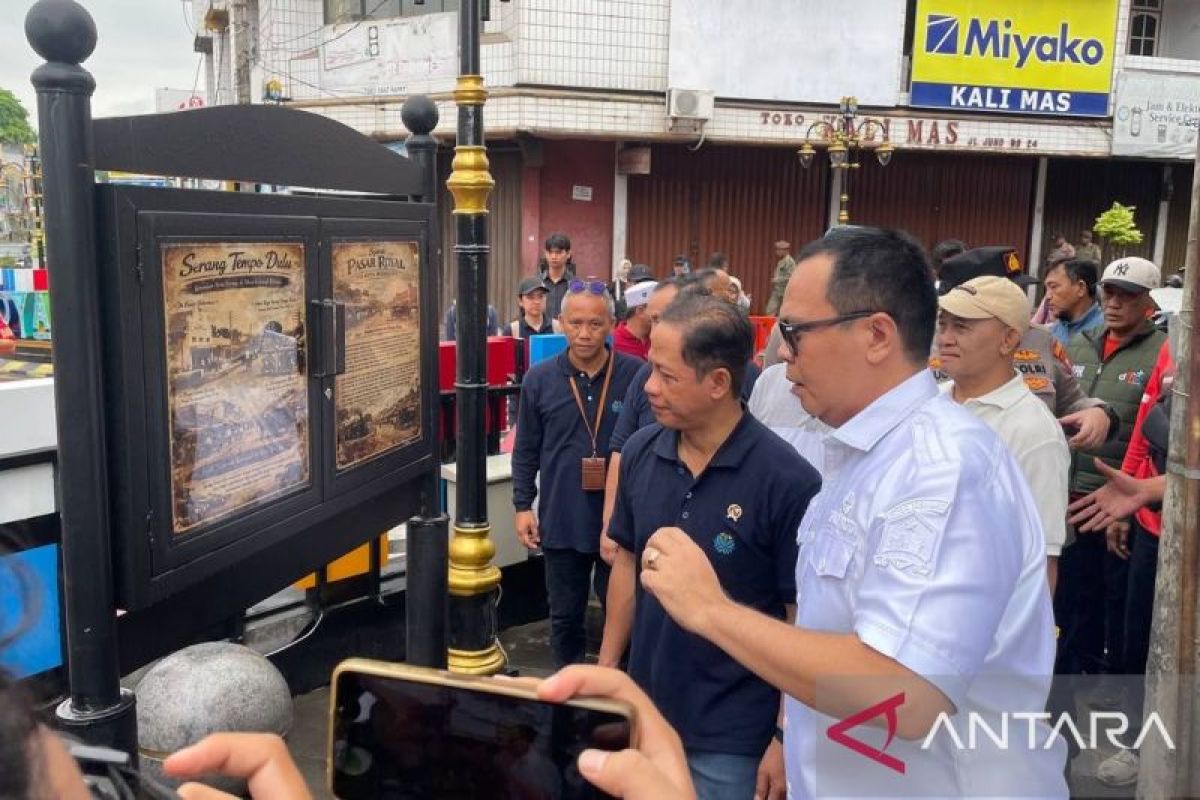
Serang (ANTARA) - Environment Minister Hanif Faisol Nurofiq stated that the government is accelerating preparations for the construction of Waste-to-Energy (WTE) waste processing facilities in Banten Province, in line with President Prabowo Subianto’s instructions. Speaking in Serang on Friday, Hanif said Banten is one of the main focuses in national waste management. The WTE development in the province will be divided into two agglomeration areas. “At least two agglomerations will have Waste-to-Energy facilities built: Serang City, Serang Regency, and Cilegon City in one agglomeration, and Tangerang City, South Tangerang City, and Tangerang Regency in the other,” he said during a working visit to Serang City. The strategic project is projected to require a budget exceeding Rp1 trillion, which will be coordinated with the Nusantara Future Investment Management Agency (Danantara). The high investment value demands caution from the government to ensure the project runs sustainably and does not stall, Hanif said. As a commitment, a memorandum of understanding (MoU) was signed between the Mayor of Serang, the Regent of Serang, and the Mayor of Cilegon, coordinated by the Governor of Banten. Local governments are responsible for providing land, while waste management and transportation to the WTE facilities will be a joint responsibility, he stated. Although procurement and permitting will begin soon, Hanif projects that physical construction of the WTE will take about three years to become fully operational. He cited a similar project in Palembang that started in 2023 and has currently reached 75 percent progress. To bridge the three-year wait, the Environment Minister reminded local governments and communities to massively promote the culture of separating organic and inorganic waste at the source. This aligns with the president’s warning that national Final Disposal Sites (TPA), averaging 17 years old, are at risk of exceeding capacity by 2028. “If the waste is already sorted, when brought to Waste-to-Energy it will have a relatively high calorific value, thus creating efficiency in the combustion process and the tipping fee paid by the government will not be too large,” he explained. The WTE facility in Banten is planned to have a processing capacity of up to 1,000 tonnes of waste per day. This step is expected to provide a substantial solution to stimulate the resolution of waste problems, particularly in the provincial capital of Banten. “Waste reduction must start at the source according to each demographic’s character. Everyone shares the burden; waste is our collective responsibility,” Hanif said.