
Environment Minister: Carbon Market Development Must Be Based on Real Climate Action
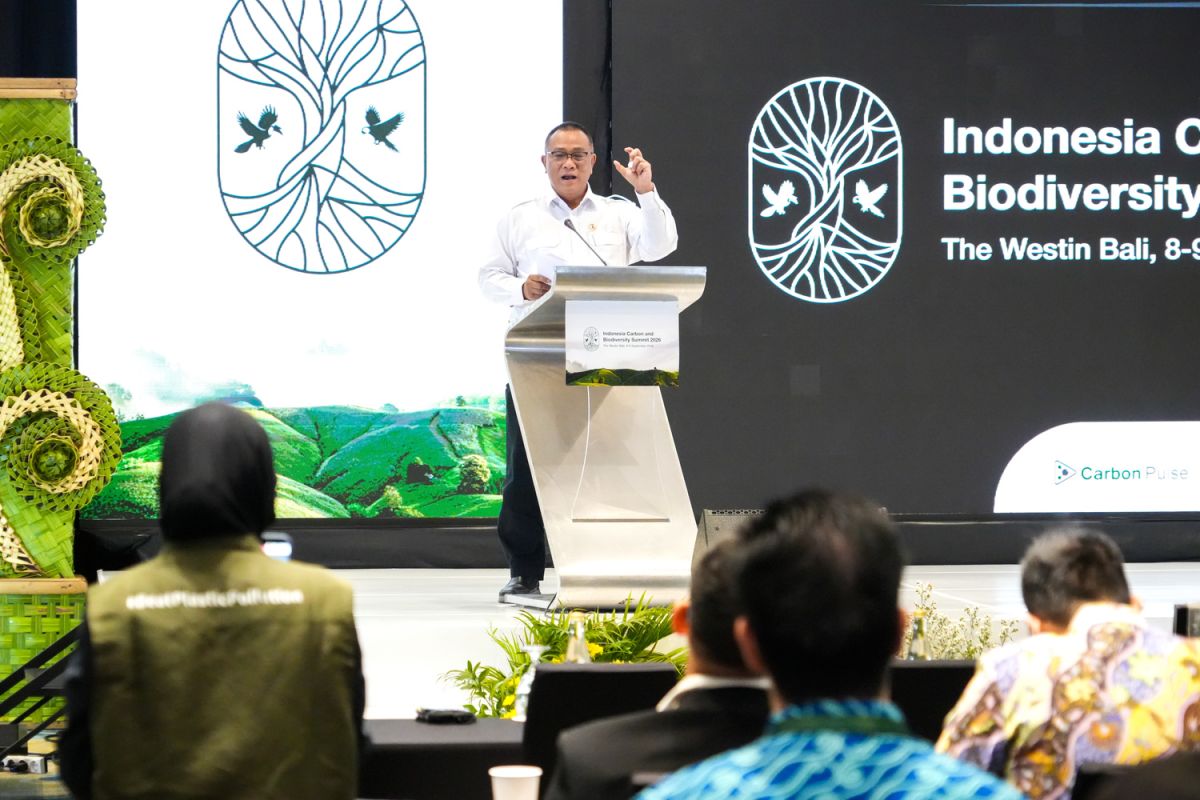
Carbon is not the starting point; carbon is the result. The starting point is the real challenges we face, ranging from emissions from economic activities, ecosystem degradation, inadequate waste management, to pressures on forests…
Jakarta (ANTARA) - The Minister of Environment, Moh Jumhur Hidayat, has ensured that the development of Indonesia’s carbon market must be based on real climate action, with credible evidence and integrity-driven governance.
In a statement confirmed from Jakarta on Thursday, the Minister of Environment/Head of the Environmental Control Agency (BPLH), Jumhur Hidayat, stated that the carbon market should not be viewed solely as a trading mechanism, but must serve as an instrument to strengthen environmental recovery and provide benefits to the community.
“Carbon is not the starting point; carbon is the result. The starting point is the real challenges we face, starting from emissions from economic activities, ecosystem degradation, inadequate waste management, to pressures on forests, peatlands, coastal areas, and marine ecosystems,” said Minister of Environment Jumhur Hidayat.
This was conveyed during the Indonesia Carbon and Biodiversity Summit 2026 in Bali on Wednesday (9/9). Minister Jumhur explained that economic development must continue to create jobs, strengthen industries, and improve public welfare.
In addition to emission reductions, Minister Jumhur Hidayat also emphasised the importance of the link between climate action and biodiversity protection. Ecosystems such as forests, peatlands, mangroves, and marine ecosystems are natural capital that play a role in maintaining environmental balance and supporting community livelihoods.
According to him, investment and international cooperation in the carbon sector must be directed towards actions that provide real environmental benefits, rather than merely chasing the economic value of carbon units.
Indonesia is opening space for the development of technology and investment that supports the strengthening of climate action while still considering national interests.
The future of Indonesia’s carbon market, according to him, will be determined not only by the number of carbon units issued or the speed of transactions, but by the quality of action, the credibility of evidence, the accountability of governance, the protection of ecosystems, and the benefits received by the community.