
Environment Minister Calls for Three-Step Ecological Repentance to Restore the Environment
“It is not enough to apologise to the Earth. We must stop hurting it and begin restoring it. That is the ecological repentance we must bring about together.”
Yogyakarta (ANTARA) — Environment Minister Jumhur Hidayat has urged the government, businesses and the public to undertake ecological repentance through three main steps: acknowledge wrongdoing, stop damaging practices and restore affected environments.
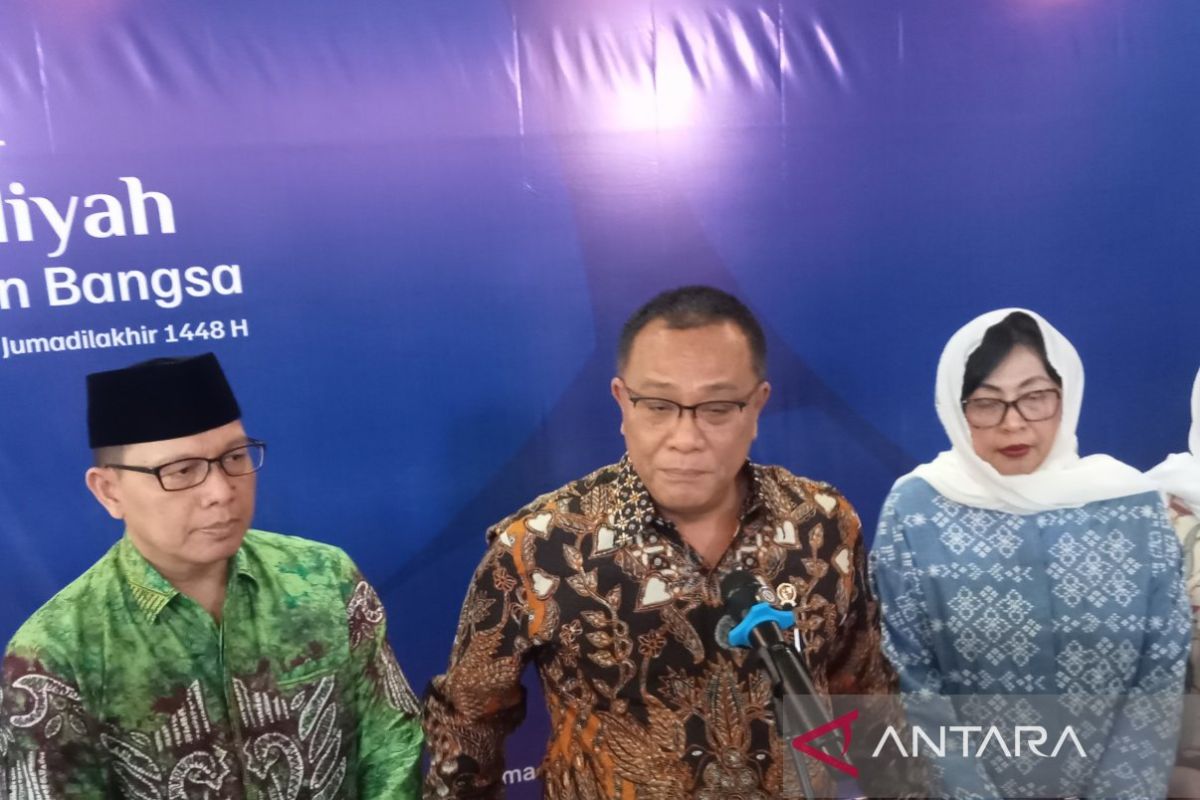
“Ecological repentance is not merely an expression of regret. It is the courage to change our way of life, how we do business and how we make decisions that have burdened the environment,” Environment Minister Jumhur Hidayat said after a discussion on ecological repentance with the Muhammadiyah Central Executive Board (PP Muhammadiyah) in Yogyakarta on Friday.
He said environmental damage could not be treated as separate from people’s lives. Water and air pollution, unmanaged waste and ecosystem degradation directly affect residents’ health, livelihoods and quality of life.
“We cannot continue to benefit from nature while leaving the costs of the damage to the public. Nor should we enjoy profits today at the expense of future generations’ right to a healthy environment,” Jumhur said.
He added that environmental approvals must not be treated as mere administrative requirements. Environmental management and monitoring commitments must be implemented, and compliance must be checked.
“The government cannot simply call on the public to change. It must also improve governance, be more open to complaints and take a firmer stance against violations,” he said.
For businesses, he said, ecological repentance means incorporating environmental responsibility into operations. Waste management, emissions control, resource efficiency and environmental restoration must be part of doing business, not merely ceremonial activities.
The Environment Minister cautioned, however, that changes in public behaviour must be supported by adequate services and facilities.
“People cannot be asked to sort their waste if collection and processing services are unavailable. Each party’s responsibility must be commensurate with the impact it causes. Major polluters must not be allowed to go unchecked,” Jumhur said.
He stressed that the success of ecological repentance should be measured by outcomes experienced by the public: reduced pollution, properly managed waste, restored ecosystems and a healthier environment, protecting everyone’s right to a good and healthy environment.
“It is not enough to apologise to the Earth. We must stop hurting it and begin restoring it. That is the ecological repentance we must bring about together,” Jumhur said.