
Entrepreneurship as a Tool to Shape the Mindset of Young People to Face the World of Work
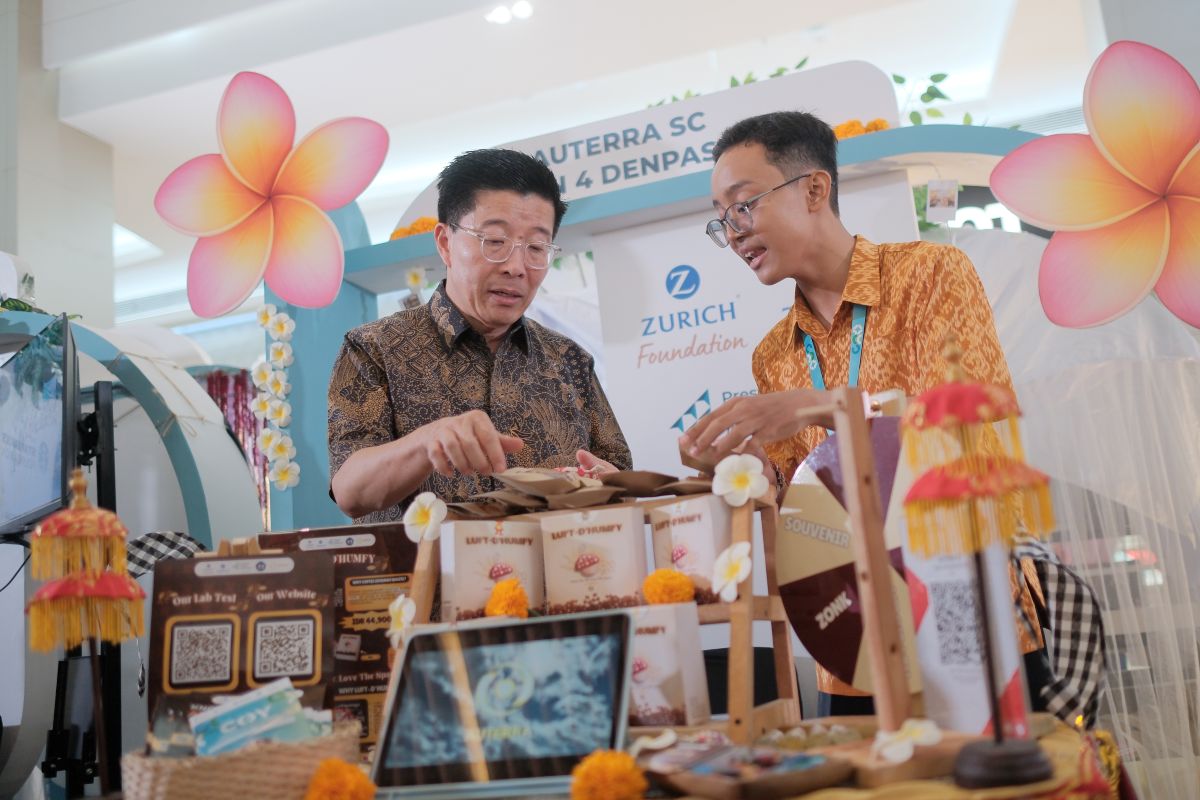
Changes in the economic landscape and the world of work are driving the need for learning models that focus not only on academic aspects but also equip students with practical skills relevant to real life. Entrepreneurial skills, financial management, critical thinking, and adaptability are essential assets for young people in facing the future.
Therefore, various experience-based or experiential learning programs are gaining more attention. This approach is considered capable of providing more applicable understanding because students learn directly through practice and real experiences.
One implementation of this approach can be seen in the Zurich Entrepreneurship Program (ZEP) run by Zurich Indonesia, Z Zurich Foundation, and Prestasi Junior Indonesia. In the first year of the second phase of the program, which began in July 2025, ZEP has reached more than 10,000 high school and vocational students in seven cities. This number exceeds the initial target by 164%. The program has also encouraged the emergence of 35 student businesses with a total turnover of IDR 339 million.
Through this program, students gain direct experience in developing business ideas, running businesses in the school environment, managing finances, and understanding the dynamics of the world of work.
Country Manager of Zurich Indonesia and President Director of PT Zurich Asuransi Indonesia Tbk, Edhi Tjahja Negara, said that relevant education needs to equip young people with skills that can be applied in everyday life.
“We believe in education that equips young people with practical skills for real life. Through the Zurich Entrepreneurship Program, we want to help students build self-confidence, the ability to identify opportunities, and better financial decision-making. The achievements of the first year show that experience-based learning can have a real impact and prepare young people to build the future,” said Edhi.
As an integrated learning program, ZEP combines entrepreneurship development, financial literacy, and work readiness in a single learning sequence. Students are invited to recognize business opportunities, develop business plans, manage micro-businesses, and develop teamwork skills, problem-solving, and critical thinking.
The program also strengthens understanding of financial management, including budgeting, saving habits, investment, and understanding financial risks. In addition, students gain insights into the professional world through sharing sessions with volunteers from Zurich.
Head of Enabling Social Equity at Z Zurich Foundation, Adriana Poglia, said that the success of the program shows the importance of collaboration between various parties in expanding access to relevant education for young people.
“The first year of this phase shows that positive impact can be further expanded through collaboration. When schools, educators, the private sector, the government, and civil society work together, more young people gain access to relevant learning and opportunities to build their future,” she said.
Meanwhile, Executive Director of Prestasi Junior Indonesia, Utami Anita Herawati, sees an increasing interest from schools in experience-based learning models because they can increase student engagement in the learning process.
“The implementation of the Zurich Entrepreneurship Program provides a strong signal that experience-based learning is increasingly in demand by schools. We see teachers actively expanding the implementation of the program because students become more involved when they learn through direct practice—from building a business, managing finances, to understanding the world of work. When this approach is applied consistently by teachers, the impact is not only seen in high participation but also in the emergence of more relevant learning experiences and helps students build skills for the future,” she explained.
Continuing these achievements, the second phase of the Zurich Entrepreneurship Program will continue to be expanded until 2028 by reaching more students, strengthening teacher capacity, and increasing volunteer involvement. The program is expected to help create a generation of young people who are more confident, have relevant skills, and are ready to face the changing world of work and the economy in the future. (E-3)