
Ensuring Safe Homecoming: Complete Guide to Vehicle Braking System Maintenance
National road condition has reached 93.5% soundness
As the Lebaran homecoming season approaches, the condition of the vehicle braking system becomes a crucial component that must be thoroughly inspected. Given that the safety of drivers and passengers depends heavily on vehicle performance, ensuring brakes are in optimal condition is not merely a recommendation but a necessity.
Hariadi, Assistant Head of After-Sales Service at PT Suzuki Indomobil Sales (SIS), emphasised that optimal brake performance is especially critical when vehicles carry full loads during long journeys. He urged vehicle owners to conduct comprehensive inspections to ensure responsive braking under various road conditions.
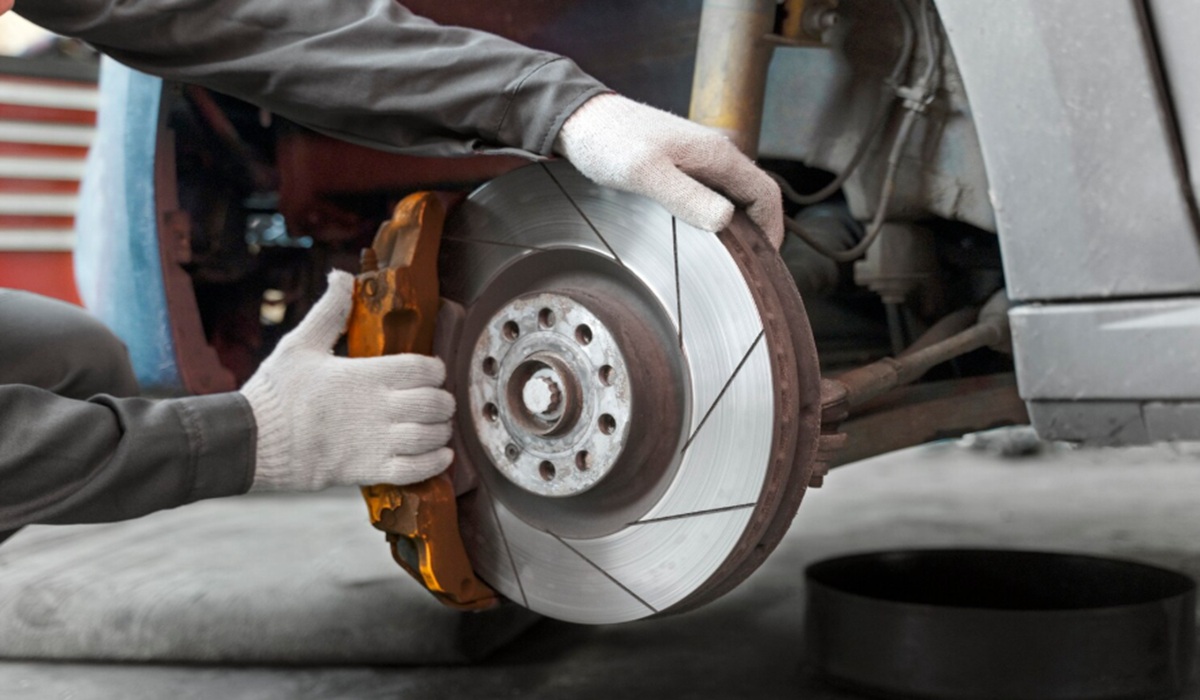
The first inspection should focus on brake pads, the frontline component responsible for creating gripping force. If pad thickness falls below the minimum threshold, replacement must be conducted immediately to prevent damage to other components.
In addition to pads, inspect the disc brake surface carefully. Ensure the surface remains flat without signs of warping or rippling. Uneven disc conditions can cause vibration in the steering wheel during braking, which naturally compromises driver control.
Do not overlook inspection of drum brakes on the rear wheels to maintain balanced stopping power. Readjust the brake shoe clearance to ensure the hand brake performs reliably, particularly when the vehicle must stop on steep inclines.
Ensure the piston on the brake calliper moves freely by applying special lubricant to the calliper pins.
The braking system involves not only mechanical but also hydraulic components. Brake fluid plays a crucial role in transmitting pressure from the pedal to all wheels. However, its hygroscopic nature—absorbing water vapour—can lower the boiling point and risk triggering internal corrosion.
Hariadi reminded vehicle owners to always use brake fluid matching their vehicle specifications to prevent rubber seal damage. Additionally, ensure no air becomes trapped in the hydraulic system. “Perform the brake bleeding process correctly so that all trapped air in the system is eliminated, ensuring booster brake pressure and master brake function optimally,” he added.
Symptoms of a soft brake pedal typically indicate the presence of air or leakage in flexible hoses.
Beyond physical condition, braking technique also determines safety. When traversing mountainous terrain, drivers must be alert to the risks of brake fade (loss of braking power due to extreme heat) and vapour lock (brake fluid evaporation). To avoid this, combine brake use with engine braking techniques to reduce mechanical load on discs and pads. For modern vehicle users, ensure safety features such as Anti-lock Braking System (ABS), Electronic Brake Distribution (EBD), and Brake Assist function normally.
If brake warning lights or ABS symbols illuminate on the dashboard, immediately take the vehicle to an authorised service centre. This step is important to allow technicians to verify that the vehicle’s computerised systems function properly before undertaking long journeys.
Transport observer Haris Muhammadun has called on the government to begin implementing motorcycle usage restrictions for the 2026 Lebaran homecoming journey. He warned that this year’s homecoming challenges are increasingly complex, particularly with the threat of climate crisis potentially disrupting public mobility.
Hariadi noted that government policy is expected to help flatten the peak of homecoming traffic predicted to occur several days before Lebaran.