
Ensuring ESG Implementation in the Coal Sector Proceeds, Data Strengthening and Field Verification as Key Determinants
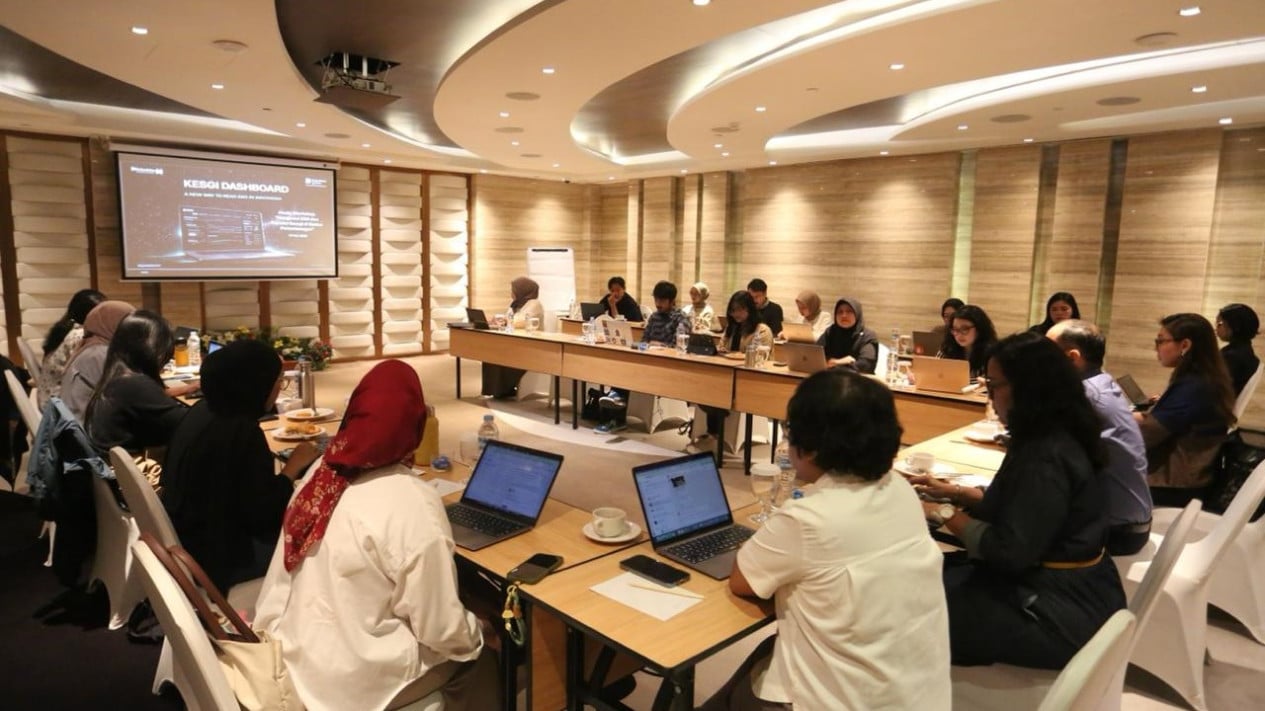
Jakarta, VIVA – Practices of Environmental, Social, and Governance (ESG) in the mining industry, particularly the coal sector, are assessed as still requiring thorough monitoring at present. This not only concerns operational emissions from companies but also the supply chain and the impact of downstream energy use.
Life Cycle Expert Panel expert from KESGI, Jessica Hanafi, revealed that the decarbonisation approach for the coal sector must consider the entire industrial life cycle, from production processes and distribution to impacts after energy use. Therefore, companies are deemed to need a robust data management and monitoring system so that emission reduction targets can be measured credibly.
“Companies often only look at direct emissions or electricity alone. However, we must also consider emissions from transportation, hazardous waste, and how the coal is used in power plants,” said Jessica during a discussion titled Guiding ESG and Energy Transition in the Mining Sector in Jakarta, quoted from her statement on Wednesday, 13 May 2026.
Jessica explained that besides environmental aspects, the social dimension also poses an important challenge in ESG implementation in the mining sector. According to her, issues of worker and surrounding community health have not yet received much attention in company sustainability reports.
“Work accidents may have started to be reduced, but issues like respiratory disorders due to exposure to mine dust are still rarely discussed seriously in ESG reports,” she said.
Jessica also reminded that the energy transition agenda needs to consider the socio-economic impacts on workers and communities that have long depended on the mining sector.
“We must also think about what happens to workers and surrounding communities when the transition takes place. Do not let mining areas become dead cities when the industry stops,” she stated.
On the same occasion, Executive Director of The PRAKARSA, Victoria Fanggidae, assessed that the main challenge in ESG implementation in Indonesia still lies in the gap between company commitments and field conditions. “Good ESG can be measured, verified, and felt. If there is none of that, then it is just a narrative,” said Victoria.
According to her, civil society has an important role in verifying various company ESG claims, especially regarding social and environmental impacts felt by communities around the mines.