
Ensuring Electrification Development Aligns with Asta Cita: Local Content Requirements for Electric Vehicles Needed
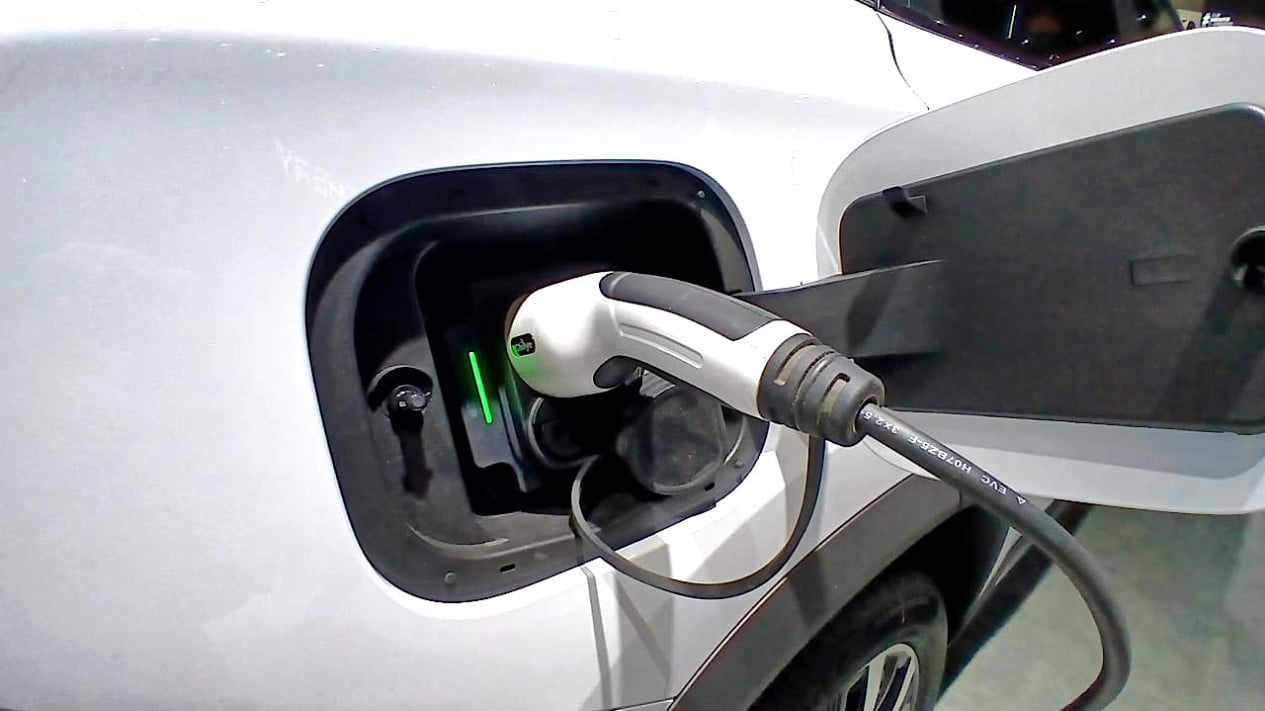
The absorption of local components alongside automotive electrification is becoming increasingly urgent, as the market faces an influx of fully imported electric vehicle (EV) products. In line with the ambition to localise EV production, the government is encouraging manufacturers to adopt Local Content Requirement (TKDN) regulations.
The penetration of electric vehicles in the domestic market is a result of successful government programmes, particularly the exemption of import duties on fully built units. This incentive programme, which commenced in 202cap, is set to run until the end of 2025.
As of August this year, the growth of electric vehicle sales in Indonesia has been exponential. Out of a total of 599,491 vehicle sales between January and August 2026, 101,171 units, or 16.88%, were electric vehicles.
Consequently, since the beginning of this year, various manufacturers participating in the programme are required to gradually localise their products. However, among the many manufacturers flooding the EV market, only two have committed to establishing factories for production.
The remainder of the manufacturers are utilising general assembly plants. This practice is not prohibited under current regulations, particularly regarding the EV local content rules contained in Ministerial Regulation No. 28/2023 (Revision of Ministerial Regulation No. 6/2022).
Under these regulations, electric vehicles that enjoy luxury goods sales tax (PPnBM) exemptions must achieve a minimum TKDN of 40% by 2026. This portion will gradually increase to 60% starting in 2027, and 80% by 2030.
The success of TKDN in driving localisation and industrialisation within the automotive sector has been significant. Throughout the history of industrial policy, TKDN has contributed to the success of various car products being produced locally.
In the 1970s, the automotive market, which was previously dominated by fully imported products, gradually transitioned to local products. Programmes involving dismantling, assembly, and the production of local components yielded positive results.
Currently, every car product manufactured by companies in Indonesia has achieved a TKDN of over 80%. The gradual implementation of TKDN has successfully built an industrial ecosystem and improved the quality of industrial human resources. As a result, Indonesia is now trusted as one of the regional export bases.
This was acknowledged by the Secretary General of the Association of Automotive Component Industries (GIAMM), Rachmat Basuki. He noted that the application of TKDN has historically driven product localisation and industrialisation.
However, he stated that to continuously increase competitiveness, TKDN policies must be accompanied by production scale. “The larger the volume, the more competitive the product becomes,” said Rachmat, as quoted in Jakarta on Tuesday, 29 September 2026.