
Ensuring Data Centre Projects Are Not Hindered by Social License Issues
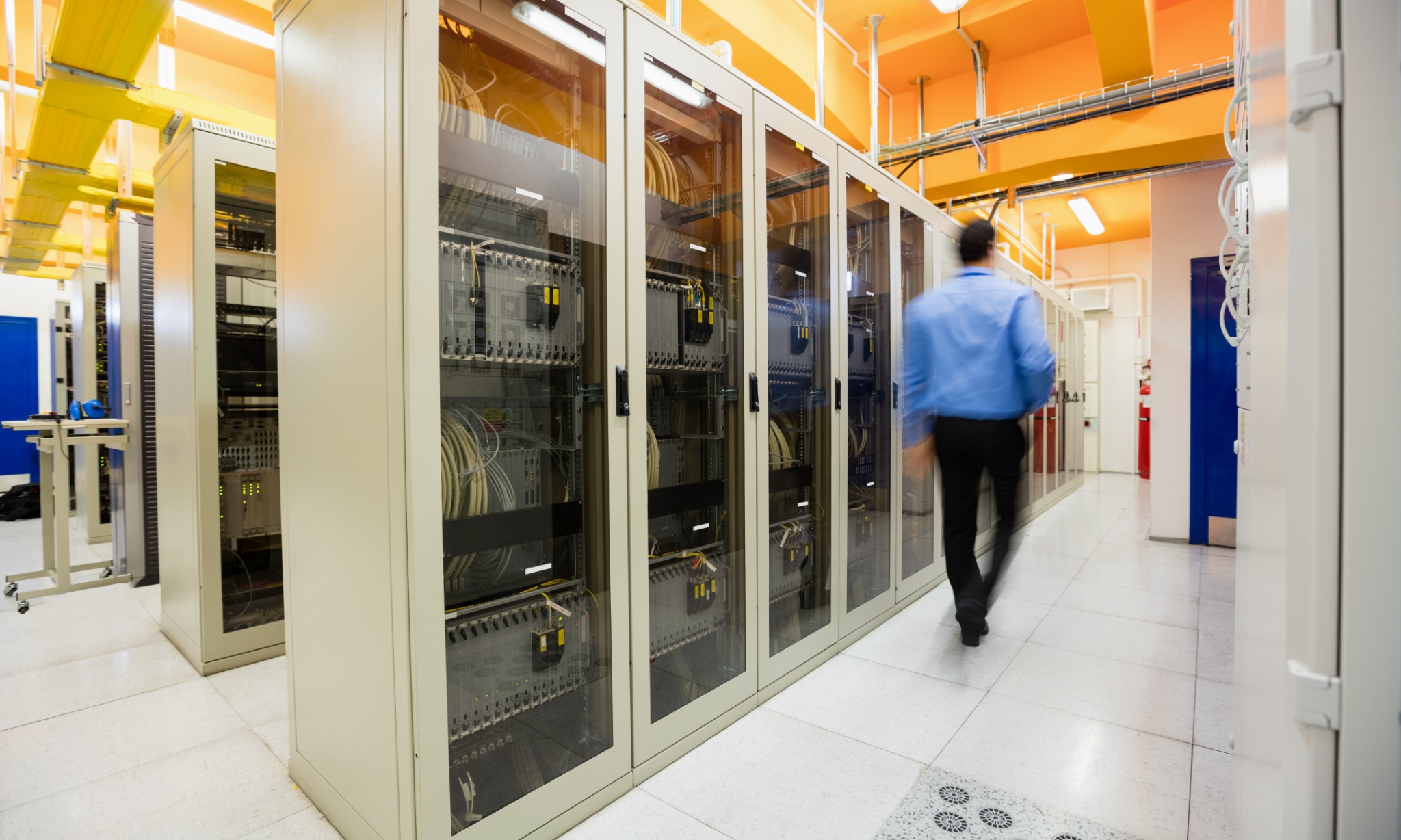
During the MKI Electricity Connect 2026 event this week, the Minister of Energy and Mineral Resources, Bahlil Lahadalia, discussed more than just government electricity policy developments. Amid his presentation to guests and participants, Bahl_hil proposed the development of data centres across various islands in Indonesia.
“Ladies and gentlemen, investors should not hesitate to build data centres in Indonesia. Our territory is the largest in the Southeast Asian region, and we have many islands,” Bahlil stated during the Electricity Connect 2026 event held in Tangerang, Banten, on Tuesday (22/9).
According to Bahlil, Indonesia possesses numerous advantages that make data centre investment attractive. In addition to its vast territory, Indonesia has significant renewable energy potential to support data centre operations, including solar, hydro, geothermal, and wind power. Furthermore, electricity production costs in Indonesia are noted to be far more competitive compared to other nations.
“We will provide various facilities and ease of access for all of you,” Bahlil enticed the audience at Electricity Connect 2026.
Regarding power supply, Bahlil noted that this is a primary concern in building data centres. Consequently, he ensured that there would be no issues in meeting electricity requirements. “Once they submit their requirements, including the necessary electricity capacity, PLN (the state electricity company) will certainly prepare it,” he added.
Andi Maulana, Deputy for Investment Services at the Ministry of Investment and Downstreaming/BKPM, stated that data centre development represents a promising investment opportunity, supported by Indonesia’s rapidly growing digital economy, which is among the fastest in Southeast Asia. Citing Mordor Intelligence, Andi noted that Indonesia’s data centre market value is expected to reach approximately US$1.44 billion in 2025 and is projected to rise to US$1.83 billion in 2026. This value is projected to continue growing to US$3.48 billion by 2031, with a compound annual growth rate (CAGR) of 13.71%.
Meanwhile, the global data centre market is expected to increase from US$386.71 billion in 2025 to US$684.39 billion by 2031.
Demand is Growing
The government’s offer comes as the world looks towards Indonesia as a hub for data centre construction. Farazia Basarah, Country Head and Head of Logistics & Industrial at JLL Indonesia, stated that approximately 80% of industrial land demand within JLL’s research scope currently originates from the data centre sector.
“Two to three years ago, they might have requested around 5 hectares of land, but currently, the requirements we receive range from a minimum of 10 hectares up to 30 hectares for a single data centre,” Farazia said during a media briefing in Jakarta on Tuesday (18/8).
Based on JLL Indonesia research, the capacity of operating data centres has reached approximately 450 MW. Occupancy rates have reached about 70% in the Jakarta CBD and surrounding areas, and about 80% in the Cikarang, Karawang, and East Jakarta regions.
Furthermore, the limitations faced by neighbouring countries have increased the demand for data centre construction sites in Indonesia. Farazia noted that Singapore, which has been a primary location for data centre development in recent years, has halted new developments. The high electricity consumption is the reason the Singaporean government has implemented a moratorium on data centre construction.
Investors have subsequently turned to Malaysia, specifically Johor Bahru, and Batam, Indonesia. Similar issues have occurred in Johor Bahru, where the presence of data centres is considered an environmental disturbance, leading the local government to implement a moratorium. Investors are now looking towards Batam. Farazia added that Indonesia’s vast territory, massive market, 81% internet penetration, and the development of Artificial Intelligence (AI) make it highly attractive to investors.
“This is one of the potentials why Indonesia is now becoming a central destination for data centres,” she said.
However, plans for data centre construction have also begun to spark community concerns. This is reflected in social media discussions regarding the planned construction of the CGK4 AI data centre by BDx Indonesia in Jatiluhur, Purwakarta. One netizen highlighted the strategic function of the Jatiluhur Dam as a provider of irrigation water for the Karawang, Bekasi, Subang, and Indramayu regions, as well as raw water for Jakarta. During droughts, the water levels in Jatiluhur drop, forcing farmers to queue for irrigation. The presence of a new data centre just 5 km from the dam is feared to exacerbate conditions during the dry season.
Social License to Operate
Beyond the moratoriums in Malaysia and Singapore, the rapid expansion of data centre infrastructure for AI is also facing opposition in other regions, particularly the United States and the United as well as the UK. According to the World Economic Forum (WEF), concerns regarding environmental and social impacts have caused opposition sentiment in the US to rise sharply by 125%, with project values facing delays amounting to US$98 billion.
The WEF noted that building public trust and obtaining a ‘social licence to operate’ is crucial to avoiding friction related to the long-term growth of AI. A social licence to operate refers to the informal acceptance and approval from the community that allows and assists industries to operate in the long term. Unlike regulatory approvals issued by the government, this licence is granted by the community residing around the project area.