
Ensuring Buyers Return for Repeat Business
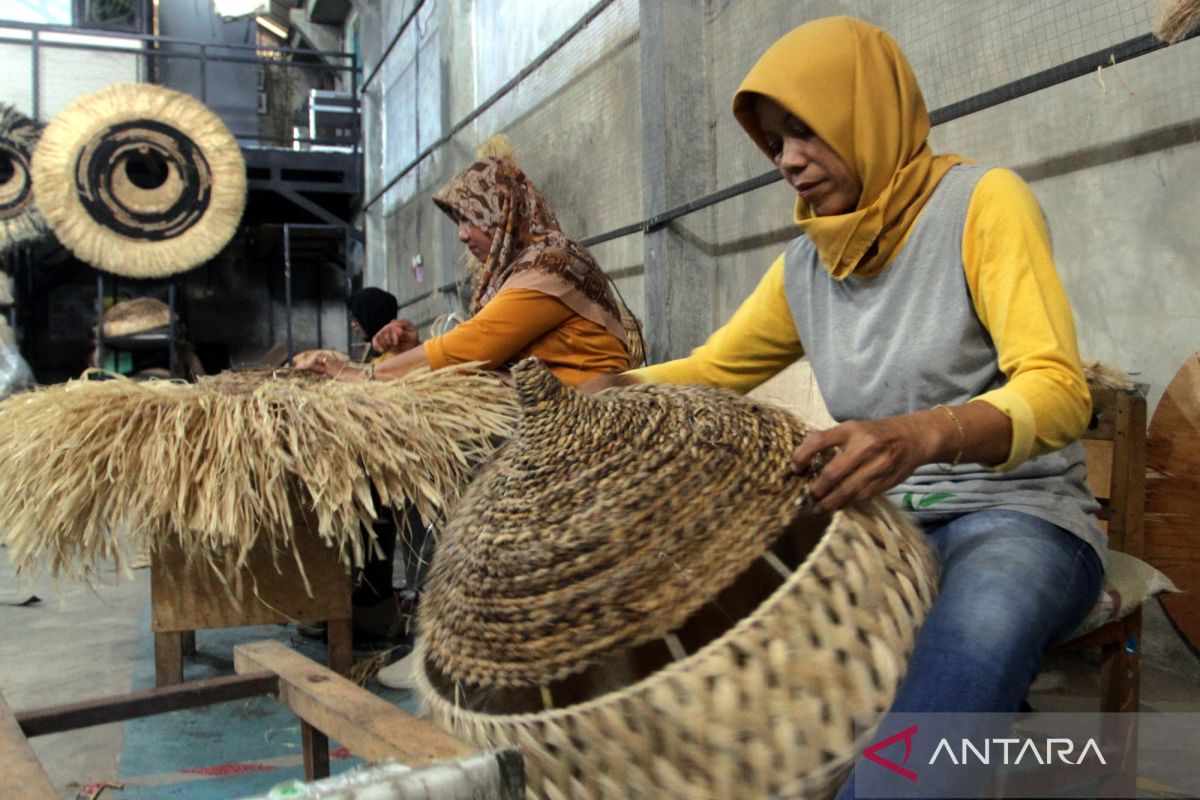
Exporters need to understand which products qualify for incentives, the requirements that must be met, and the necessary documentation to utilise these facilities.
Jakarta (ANTARA) - Indonesia continues to expand its access to international markets through trade agreements, trade representative networks, and business meetings. Once potential buyers are identified, the next challenge is ensuring that the first purchase does not remain a single transaction, but rather evolves into a sustainable trading relationship.
Indonesia’s export performance from January to July 2026 reached US$167.03 billion, an increase of 4.43 per cent compared to the same period the previous year. This figure indicates that national exports remain growing amidst global economic dynamics.
For business actors, particularly micro, small, and medium enterprises (MSMEs), the next stage is transforming this access into repeat demand.
Indonesia has implemented 25 international trade agreements. The Ministry of Trade (Kemendag) also maintains 46 trade representatives across 33 countries to seek market opportunities and connect domestic businesses with potential foreign buyers.
From January to July 2026, the Ministry of Trade facilitated 1,021 MSMEs through 546 business meetings across 33 countries. The value of purchase orders and potential transactions reached US$333.68 million. Of this, US$58.06 million has taken the form of purchase orders, while US$275.61 million remains as potential transactions.
These figures demonstrate the breadth of opportunities discovered, but they do not yet illustrate the journey of those opportunities following the business meetings. Potential transactions remain an indicator of initial interest, whereas purchase orders must be translated into production and delivery.
Testing buyer interest