
Energy Tsunami Set to Hit European Union
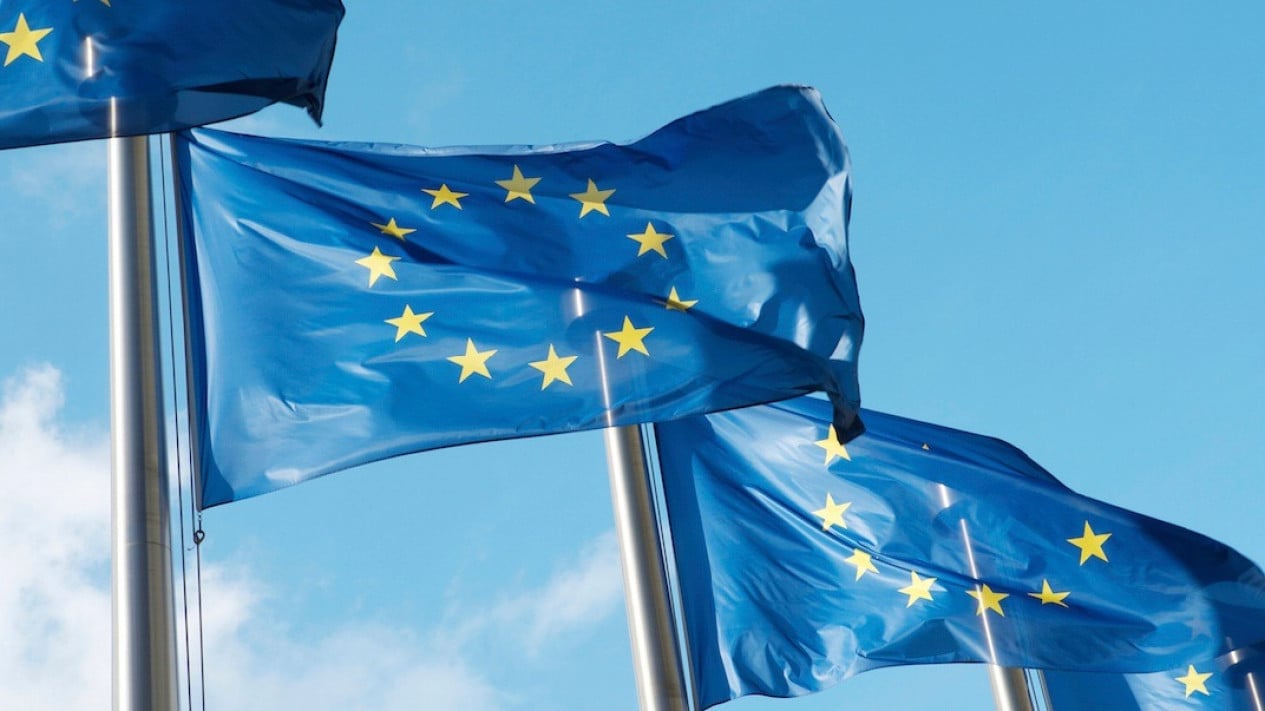
An energy tsunami is set to hit the European Union, according to Kremlin Envoy Kirill Dmitriev. The ‘tsunami’ refers to a severe energy crisis resulting from a series of political shocks.
“The energy crisis tsunami will hit them (the EU),” he stated, as reported by Russia Today. This forecast emerges amidst energy volatility caused by the US-Israel war in Iran, which continues to disrupt supplies throughout the region. Since the commencement of the US-Israel military campaign on 28 February 2026, global crude oil benchmarks have surged by approximately 50 per cent, forcing retail fuel prices and wholesale natural gas to reach record highs.
The conflict in the Middle East is further exacerbating the critical situation in European nations, which have drastically reduced Russian energy imports since the escalation of the Ukraine conflict in 2022.
“There will be more to come because the energy crisis tsunami will soon hit the EU/UK,” Dmitriev posted on X, responding to a Swedish journalist who noted that Germany’s right-wing AfD party is now nearly as large as the combined CDU and SPD in recent polls, describing the shift as a “political earthquake.”
Traditional mainstream parties across Europe have been increasingly losing support to right-wing or centre-right coalitions in recent years. The energy shocks related to Iran have prompted the UK to issue temporary permits for the import of Russian-origin diesel and jet fuel to stabilise markets shaken by navigation disruptions through the Strait of Hormuz. This maritime route handles approximately 20 per cent of global oil and LNG.
This decision reflects a similar move by the US earlier this week, which extended sanctions exceptions for limited quantities of Russian oil purchases via sea routes. While several officials across the EU have called for the restoration of energy relations with Russia to address the crisis, the European Commission has stated there will be no return to Russian energy imports and will continue efforts to fully phase out Russian fossil fuels by 2027. Earlier this year, Kirill Dmitriev claimed the EU “will inevitably beg” for Russian gas, as energy prices are projected to continue rising, noting that the bloc is last in line among Russian energy consumers as Moscow expands projects with other nations.