
Energy Subsidy Reform Key to Maintaining Fiscal Stability and Accelerating Energy Transition
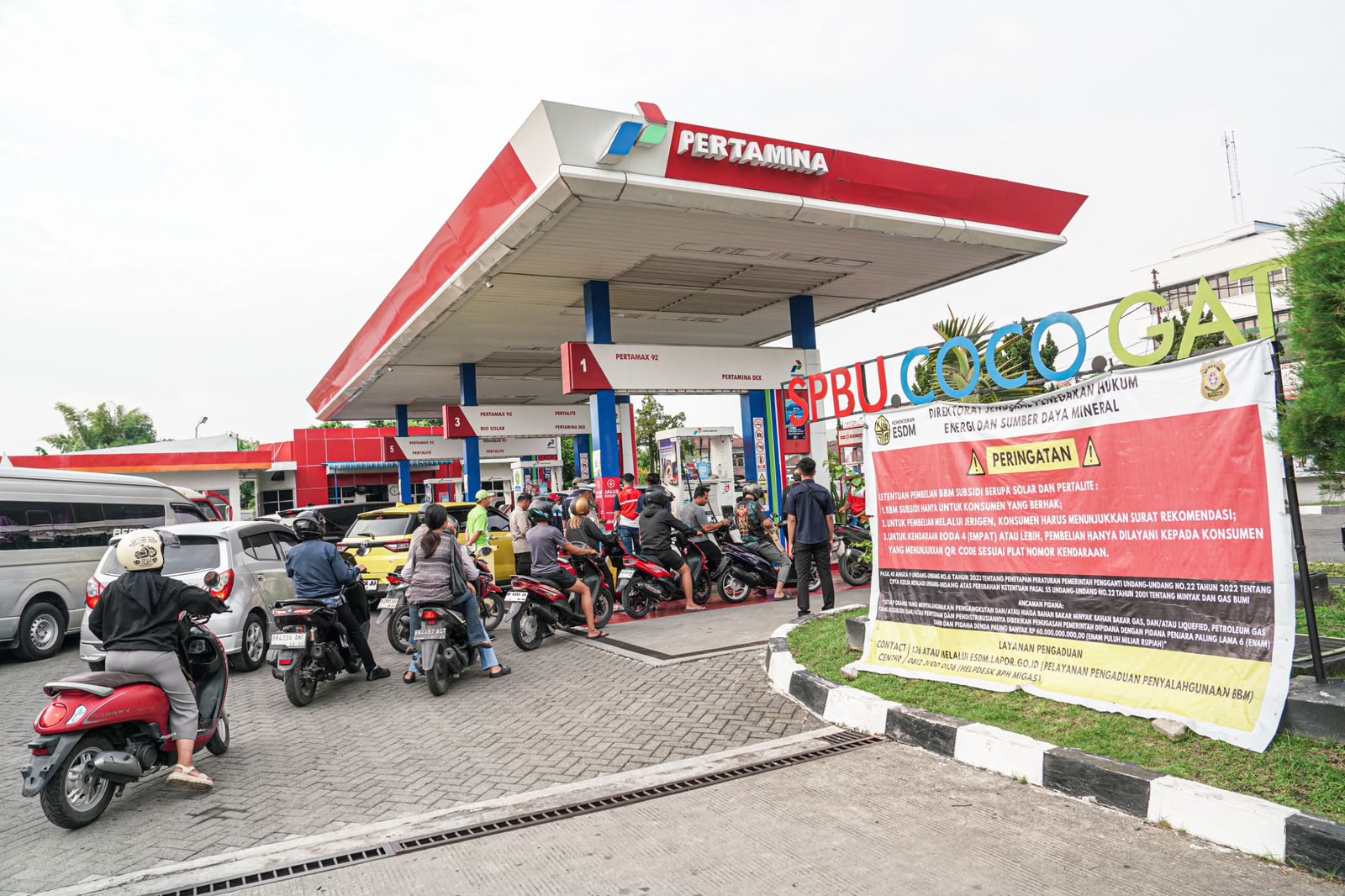
JAKARTA – Energy subsidy reform can no longer be viewed solely as a policy of adjusting fuel prices. Overhauling the subsidy system is now considered urgent to maintain fiscal stability, strengthen energy security, and accelerate the transition towards cleaner energy.
Edy Suparno, Deputy Speaker of the People’s Consultative Assembly (MPR), stated that energy subsidy reform and the energy transition are two agendas that must run concurrently. The current magnitude of energy subsidies indicates a need for improvement through right-sizing and right-targeting approaches, ensuring that assistance is genuinely received by entitled groups.
He cited the significant gap between the selling price and the economic price of Biosolar, Pertalite, and 3-kilogramme LPG canisters, which has caused the subsidy burden to continue rising.
“Reforming subsidies is not about reducing protection for the public. This reform is about changing the way the state protects its citizens to be fairer and more efficient,” Edy said on the sidelines of a discussion titled “The Urgency of Energy Subsidy Reform for Fiscal Stability and Accelerating Energy Transition” at the Kompas Gramedia Building on Tuesday (21/7).
He also encouraged a shift in the subsidy mechanism from commodity-based subsidies to direct cash transfers to beneficiaries, supported by a more accurate database.
Edy reminded that Indonesia’s dependence on imported oil and LPG makes national energy security increasingly vulnerable to geopolitical dynamics. Therefore, accelerating the development of renewable energy is deemed important not only to reduce emissions but also to strengthen national economic competitiveness.
According to Edy, increasing the renewable energy mix will expand investment opportunities, strengthen the competitiveness of Indonesian exports, and simultaneously create new green industries and jobs. He outlined several energy transition agendas, including transport electrification, the development of induction cookers, bioenergy, and the long-term utilisation of nuclear energy.
“Right-sizing and right-targeting subsidies will generate very significant savings to be allocated for economic development in other sectors,” Edy said.
Andri Satrio Nugroho, Head of the Centre for Industry, Trade and Investment at INDEF, noted that spending on energy subsidies and compensation has been growing faster than several productive development expenditure items, such as infrastructure, education, and health.
He stressed the importance of government transparency regarding the purpose of budget reallocation if subsidy reform is implemented. The public must clearly understand the benefits that will be gained from the policy change. “If the government wants to reform subsidies, the public must know where the subsidies will be redirected,” he said.
He added that low-income groups must remain a priority for protection so that the reform does not reduce their access to much-needed assistance.
Anissa Suharsono, Senior Policy Advisor at the International Institute for Sustainable Development (IISD), stated that energy subsidy reform does not mean removing public assistance, but rather fixing the entire system to be better targeted. She said the ideal reform begins with improving the beneficiary database, designing compensation mechanisms, transparent public communication, and providing a complaint mechanism after the policy is implemented.
“When we talk about energy subsidy reform, do not immediately interpret it as a price increase. This is a reform of the entire system,” Anissa said.
Teguh Yudo Wicaksono, Dean of the Faculty of Economics and Business at the Indonesian International Islamic University (UIII), stated that energy subsidy reform is a long-delayed task. According to him, Indonesia’s dependence on fossil energy makes the country increasingly vulnerable to external shocks, including global energy price fluctuations.
He invited all stakeholders to change their perspective on energy issues. Energy, according to Teguh, is not merely an economic matter but also concerns the sustainability of development and national independence. A just energy transition, he said, not only aims to reduce emissions but also to lessen Indonesia’s dependence on imported energy and strengthen national energy sovereignty.
“Talking about energy subsidies is a task that has always been postponed. It is time for us to see energy as a strategic issue,” he said.