
Energy Subsidy Budget Rises, Accurate Targeting Becomes Obligatory
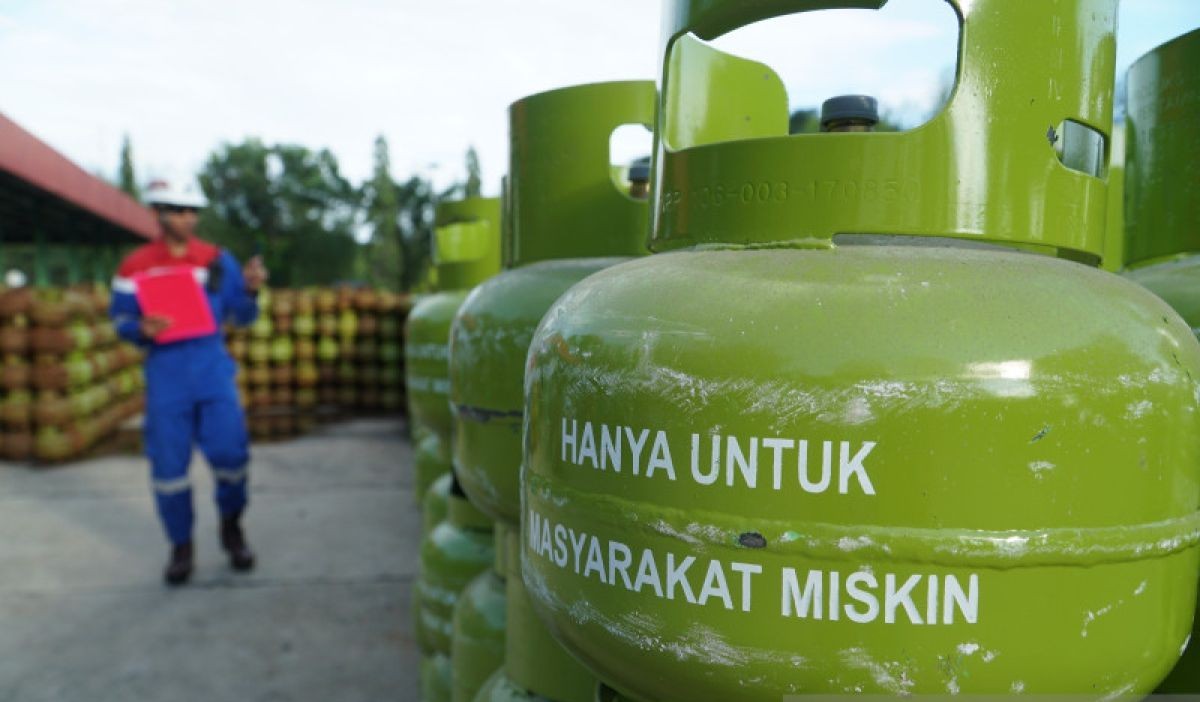
A member of House Commission XII, Meitri Citra Wardani, has urged the government to ensure that energy subsidies are increasingly accurately targeted. The lawmaker, who oversees energy issues, highlighted that energy subsidies in the 2027 Draft State Budget (RAPBN) amount to Rp272.95 trillion, an increase of 20.1% compared with the 2026 outlook of Rp227.26 trillion. The allocation consists of subsidies for certain fuels and 3 kg LPG amounting to Rp142.84 trillion, as well as electricity subsidies of Rp130.11 trillion.
“The increase can be understood as an effort to maintain purchasing power and energy affordability. However, the larger the subsidy, the more it must be accompanied by improvements in the accuracy of beneficiary targeting and distribution oversight,” Meitri said in a statement quoted on Tuesday (18/8).
She stressed that subsidies are an instrument of state support. She said the budget should not increase while distribution leakages still occur or while poor and vulnerable communities struggle to obtain subsidised fuel, LPG, or electricity.
“Data-based subsidy transformation must ensure that no entitled members of society are left behind,” asserted the legislator from the Prosperous Justice Party (PKS) faction.
Meitri also noted the significant increase in the Ministry of Energy and Mineral Resources’ budget from Rp10.12 trillion in the 2026 State Budget to Rp27.37 trillion in the 2027 Draft State Budget, nearly three times larger than before. The increase is primarily directed at the Energy and Electricity Programme, including village electricity, the New Electricity Connection Assistance scheme (BPBL), city gas networks, and gas infrastructure development.
In 2027, the government is targeting, among other things, 3,054 villages gaining access to electricity, 350,000 new electricity connections, and 150,000 household gas network connections.
“This budget increase must be visible in its results for the community. Bringing electricity to villages is not merely about making homes bright. It is also about ensuring that children there can study better, that MSMEs can grow, and that village economic activity can develop,” Meitri said.
“Therefore, Commission XII is committed to overseeing the implementation of this good programme by ensuring that the location, beneficiaries, costs, schedule, and results of each programme are transparent and measurable,” she concluded.