
Energy Storage Technology Key to Clean Energy Transition
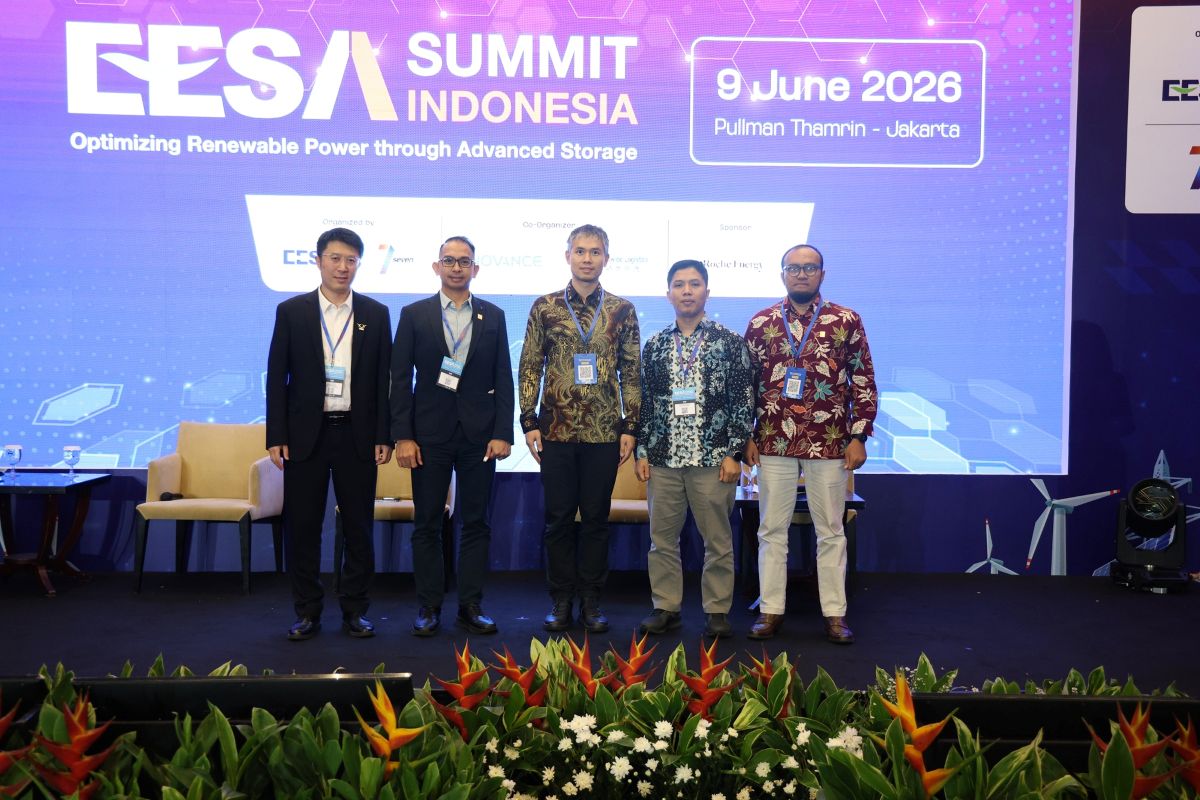
Energy storage system technology is considered one of the important elements in accelerating the clean energy transition in Indonesia. Besides supporting the integration of renewable energy, this technology also plays a role in maintaining the stability of electricity supply, especially in an archipelagic country with geographical challenges and diverse energy needs. This issue emerged at the EESA Summit Indonesia 2026 held in Jakarta last week. The forum served as a platform for collaboration between the government, industry players, and technology companies to discuss energy storage development, microgrid systems, and investment opportunities in supporting national energy security. Chief Operating Officer of Seven Event, Agus Riyadi, said the forum was expected to strengthen synergy between policymakers and industry players in accelerating the utilisation of energy storage technology in Indonesia. “EESA Summit Indonesia 2026 is present as a strategic bridge to bring together the government as policymakers with key industry players in this sector. We hope that strong synergy between Indonesia and China, particularly through the utilisation of energy storage technology innovation, can accelerate the achievement of clean energy transition targets and support reliable and sustainable national energy security,” Agus said. As the world’s largest archipelagic country, Indonesia faces major challenges in integrating renewable energy sources such as solar and wind power into the national electricity system. The dependence of such energy on weather conditions makes the existence of energy storage technology and independent power grid systems increasingly important. In the forum, a representative from the Ministry of Energy and Mineral Resources outlined the government’s policy direction regarding the development of new and renewable energy, including regulatory and investment support for the development of energy storage systems. Additionally, several technology companies from China shared their experiences regarding the application of energy storage technology that has been used to improve the reliability of electricity systems and support electrification in various regions. The discussion also covered opportunities for international cooperation in supporting Indonesia’s target of achieving net zero emissions by 2060. Various parties highlighted the importance of developing renewable energy projects supported by energy storage technology so that electricity supply remains stable and efficient. Another topic of concern was the strengthening of domestic industry through the implementation of the Domestic Component Level (TKDN), partnership strategies between local and foreign companies, and the development of microgrid systems for archipelagic regions and the 3T (Frontier, Outermost, and Least Developed) areas. The government also emphasised the importance of equitable access to electricity as part of the national development agenda. One of the steps being undertaken is the Village Electricity (Lisdes) development programme in more than 2,000 locations in 2026 to expand energy access for the community. Secretary General of EESA, Rene Duan, assessed that Indonesia has great potential to become one of the centres for clean energy development in the region. “Indonesia has enormous potential in developing clean energy. Through this EESA Summit Indonesia, we are committed to continuing to be a bridge for cooperation between China and Indonesia so as to realise a reliable and environmentally friendly future energy system,” Rene said. Through strengthened international cooperation and the utilisation of energy storage technology, Indonesia is expected to be able to accelerate the development of a cleaner, more stable, and sustainable electricity system, while supporting future national energy security targets.