
Energy Security and Energy Transition Must Go Hand in Hand
Secretary-General of the National Energy Council (DEN), Dadan Kusdiana, has stressed that Indonesia is now at a crucial point in managing the energy sector. Amid rising domestic demand, the government is required not only to maintain supply availability but also to accelerate the transition to more environmentally friendly energy sources. According to Dadan, the narrative separating energy security from energy transition is no longer relevant. Both must go hand in hand as the main pillars of national energy sovereignty. “Now is not the time to choose between energy security or energy transition. Both must be done simultaneously. We must ensure that energy in Indonesia remains secure and resilient, whilst at the same time becoming increasingly clean,” Dadan stated at a recent discussion forum.
The uncertain global geopolitical situation serves as an alarm for Indonesia to immediately strengthen its energy independence. The primary focus currently is reducing the high dependency on imports of fuel oil (BBM). Based on DEN data, there is a significant gap between domestic crude oil production and daily public consumption levels. Dadan explained that if the world oil price were at US$100 per barrel, Indonesia would have to spend at least US$100 million every day just to meet its crude oil needs. This places a heavy burden on the national economy and energy security.
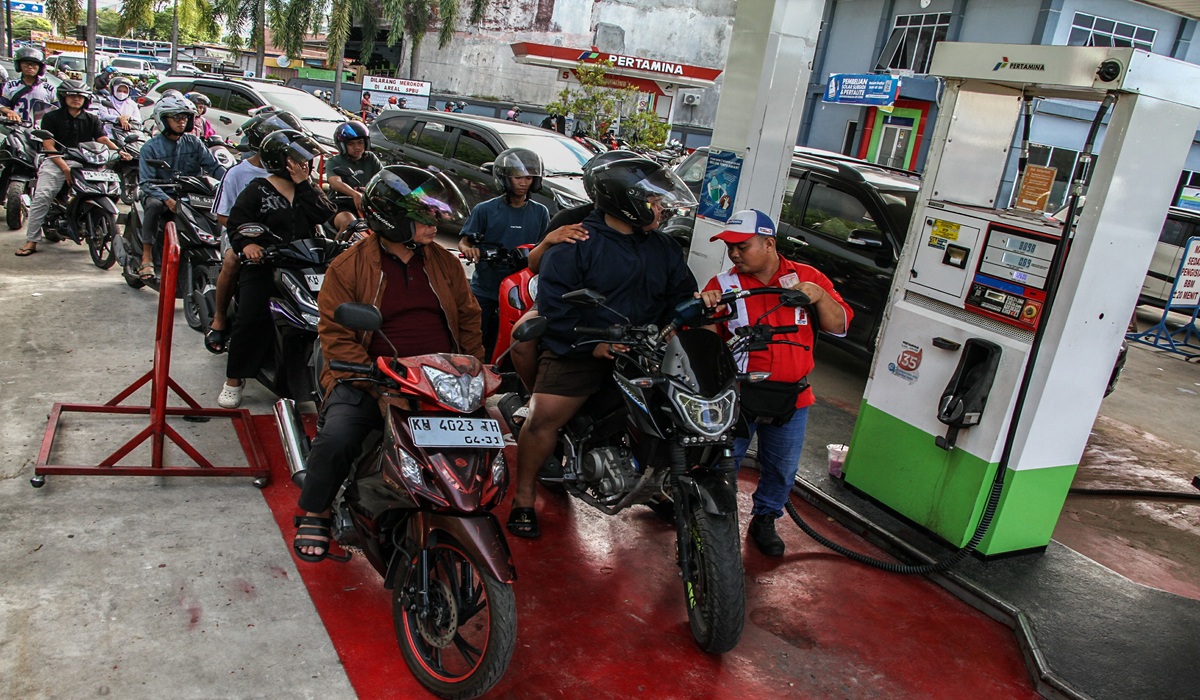
The transport sector has been identified as the largest consumer of fuel oil. With a motorcycle population reaching 140 million units and more than 20 million passenger cars, dependence on fossil energy remains highly dominant. As a solution, the DEN is pushing for the acceleration of electrification through an electric motorcycle conversion programme and the development of supporting infrastructure. In addition to electrification, optimising New and Renewable Energy is key to achieving the Net Zero Emission 2060 target. One of the government’s mainstays is geothermal energy. Dadan assessed that geothermal has a strategic advantage because it can produce stable electricity on a sustainable basis. “Geothermal is positioned as one of the primary energies in the national energy mix. Its success has been proven over decades, and this is crucial capital for strengthening Indonesia’s energy security,” concluded the Kyoto University alumnus. With an integrated strategy of reducing imports, electrification, and utilising renewables, the government is optimistic it can maintain an energy supply that remains secure, affordable, and environmentally friendly for all Indonesians.