
Energy Ministry: Efficient Technology Supports Emission Reduction Targets
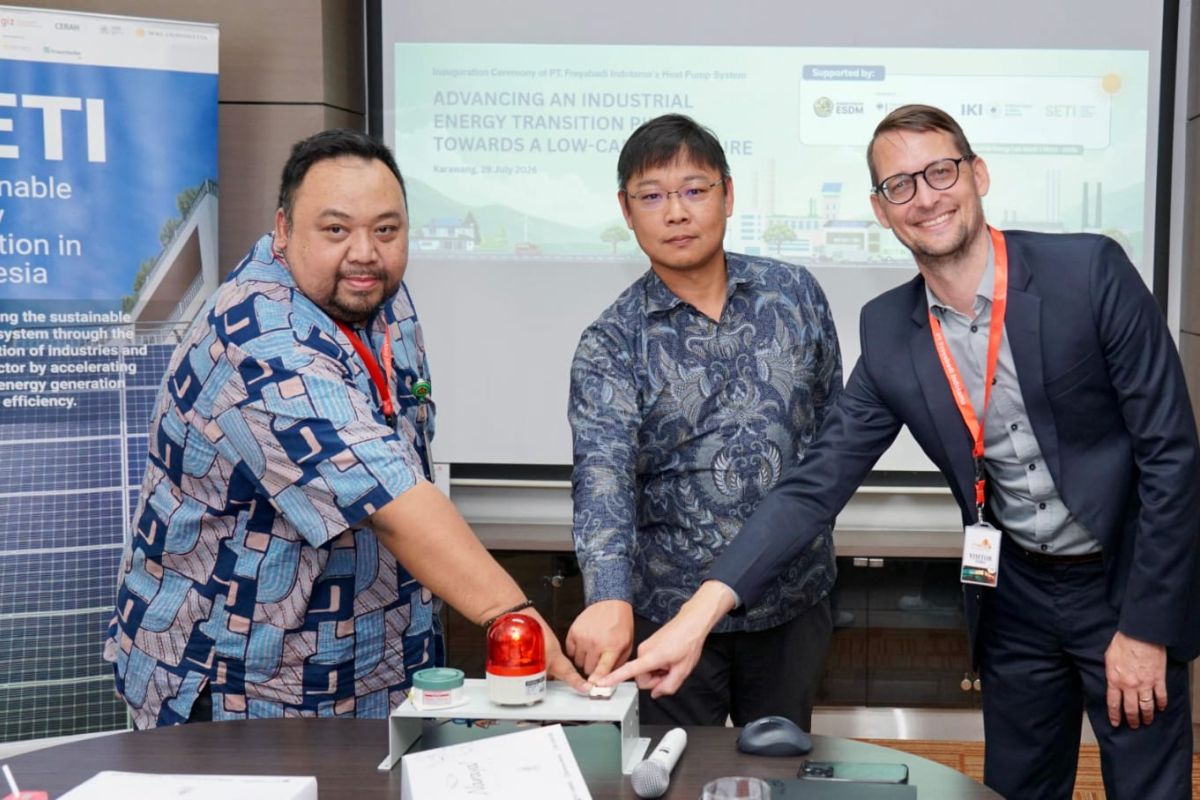
The Director of Energy Conservation at the Directorate General of New, Renewable Energy and Energy Conservation (EBTKE) of the Ministry of Energy and Mineral Resources (ESDM), Gigih Udi Atmo, stated that energy efficiency technology plays a crucial role in supporting the national emission reduction target while enhancing industrial competitiveness. He noted that various energy audit results show that implementing energy efficiency technology can reduce energy consumption and simultaneously increase company profits. “The government projects that energy efficiency can contribute up to approximately 37 percent to the energy sector’s emission reduction target by 2030. Therefore, the implementation of technologies proven to deliver economic and environmental benefits needs to be continuously expanded,” Gigih said in a statement in Jakarta on Tuesday. This commitment is reinforced by Government Regulation Number 33 of 2023 on Energy Conservation, which mandates companies to conduct regular energy audits and follow up on the resulting recommendations.
Johannes Anhorn, Coordinator for Decarbonisation of the Industrial and Building Sectors at the Sustainable Energy Transition in Indonesia (SETI) project, assessed that the experience of implementing heat pump technology at PT Freyabadi Indotama in Karawang, West Java, provides evidence that energy efficiency can be a business strategy offering direct benefits to industry. The technology implementation was carried out within the framework of the SETI Project in cooperation with the Directorate General of EBTKE. This initiative is expected to become a tangible example that opens opportunities for adopting similar technology in more industrial sectors. “Energy costs can account for about 20 to 30 percent of total industrial production costs. Therefore, energy efficiency is not just an environmental agenda, but also a strategy to reduce operational costs and improve competitiveness,” Johannes said. He added that one of the main challenges in accelerating industrial decarbonisation is the lack of implementation examples that can serve as references. Hence, pilot projects like the one conducted through SETI are important to provide technical and financial evidence that can boost the confidence of industry players in investing in energy efficiency technology.
Factory Manager of PT Freyabadi Indotama, Adi Christian, explained that the heat pump implementation is part of the company’s efforts to improve operational sustainability while reducing its carbon footprint. “Through the SETI programme, we gained a more comprehensive understanding of various technology options and ultimately decided to implement the heat pump,” Adi said. He noted that the support provided through the SETI programme helped the company understand various technical and financial aspects before implementation. “The SETI programme was very helpful from the assessment stage, technology recommendations, to implementation monitoring. However, all investment decisions were made by the company based on operational needs and business considerations,” he stated. As a technology provider, Mohamad Ubaidillah from PT Cakrawana Adi Perkasa said that initial evaluation results show significant benefits from the application of the heat pump system. “Based on calculations and system evaluations carried out in the SETI project implementation, the use of a heat pump system with a COP of 3.47 is estimated to reduce emissions by 145.5 tonnes of CO2 per year and generate operational production cost savings of up to Rp744.1 million per year,” Mohamad Ubaidillah revealed. The SETI project is funded by the International Climate Initiative (IKI) of the German Federal Ministry for the Environment, Nature Conservation, Nuclear Safety and Consumer Protection (BMUV), in cooperation with the Directorate General of EBTKE of the Ministry of ESDM. The SETI project focuses on renewable energy and energy conservation through two main themes: decarbonisation of industry and buildings.