
Energy Ministry Confirms No Decision Yet on 2026 Nickel RKAB Volume
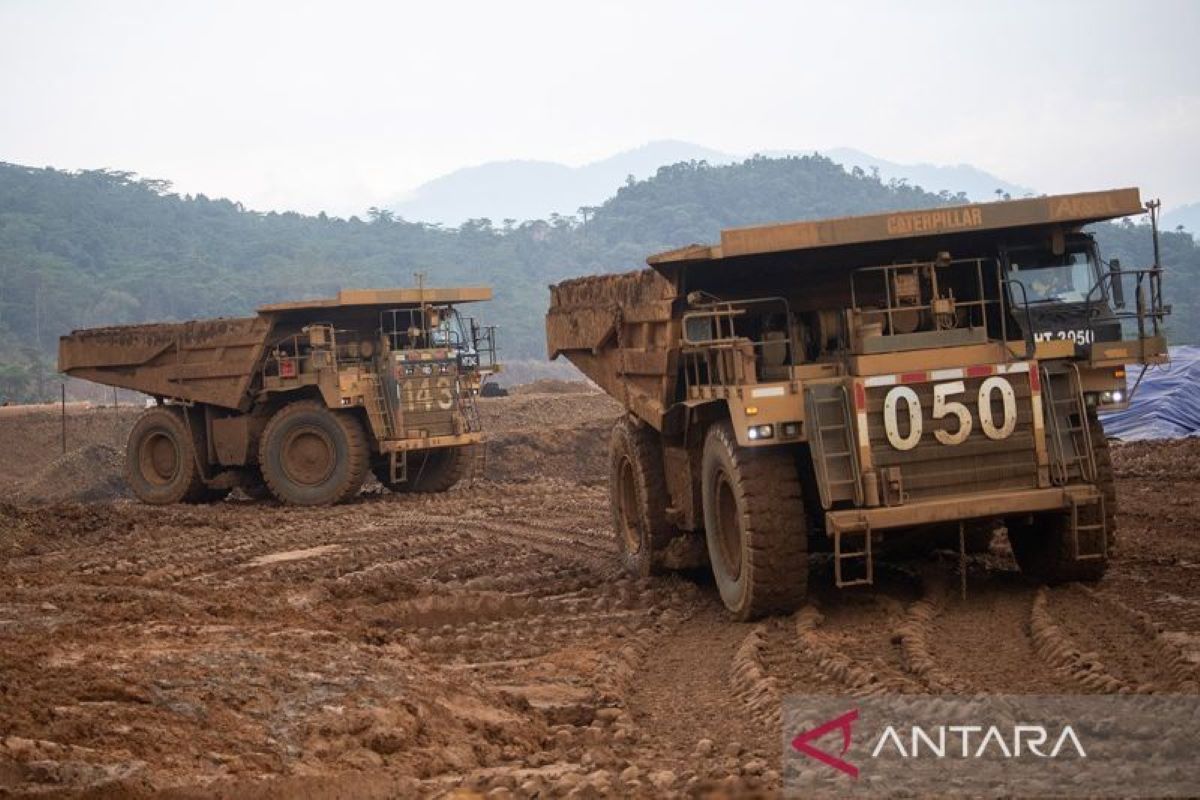
The Ministry of Energy and Mineral Resources (ESDM) has confirmed that no decision has been made regarding the total volume of the 2026 nickel Work Plan and Budget (RKAB).
Director General of Minerals and Coal, Tri Winarno, stated that the government will continue to use the official evaluation mechanism before determining any changes to the RKAB. “It has not yet reached a decision on the figures; it is still under discussion,” he said.
The statement was issued amid growing speculation about possible changes to nickel production quotas ahead of the RKAB revision period. Tri conveyed that the government is still reviewing various proposed RKAB amendments submitted by business entities and has not set a specific production figure. He emphasised that the ongoing process is an evaluation of industry needs, not a relaxation of production quotas. “There will still be an evaluation. So it cannot simply be a relaxation,” he stated.
According to Tri, the government must ensure that production remains aligned with market needs and the downstream industry. This approach aims to maintain the supply of raw materials for smelters while keeping market balance, commodity prices, and the sustainability of national mineral reserves as key considerations in every decision.
This decision responds to market speculation regarding a potential change in the total nickel RKAB after the revision period scheduled for next month. However, the government stressed that all submitted proposals must still undergo a review process before any decision is made.
In accordance with Minister of Energy and Mineral Resources Regulation Number 17 of 2025, business entities may submit RKAB amendments after delivering periodic reports up to the second quarter, or no later than 31 July of the current year. However, the submission of an RKAB amendment does not automatically guarantee approval. “Each proposal is evaluated carefully based on production data, industry needs, market conditions, and the balance of the national supply chain,” Tri said.
He added that the revision process is not solely aimed at increasing or decreasing production quotas, but rather at ensuring the figures set truly reflect real needs on the ground. The government continues to strive to maintain a balance between the interests of the upstream and downstream sectors. Miners need room to continue operating and carrying out their investments, while the processing and refining industry requires an adequate supply of raw materials to keep downstream activities running. At the same time, the government must also ensure that production does not grow excessively, as overly high output risks depressing commodity prices, accelerating reserve depletion, and reducing the effectiveness of national mining governance.