
Energy insurance market growth driven by oil and gas project expansion
Jakarta (ANTARA) - PT Asuransi Tugu Pratama Indonesia (Tugu Insurance) has recorded that the national energy insurance market experienced an average growth of 18 per cent in 2025, in line with increasing investment activity and the development of oil and gas projects as part of the government’s efforts to strengthen national energy security.
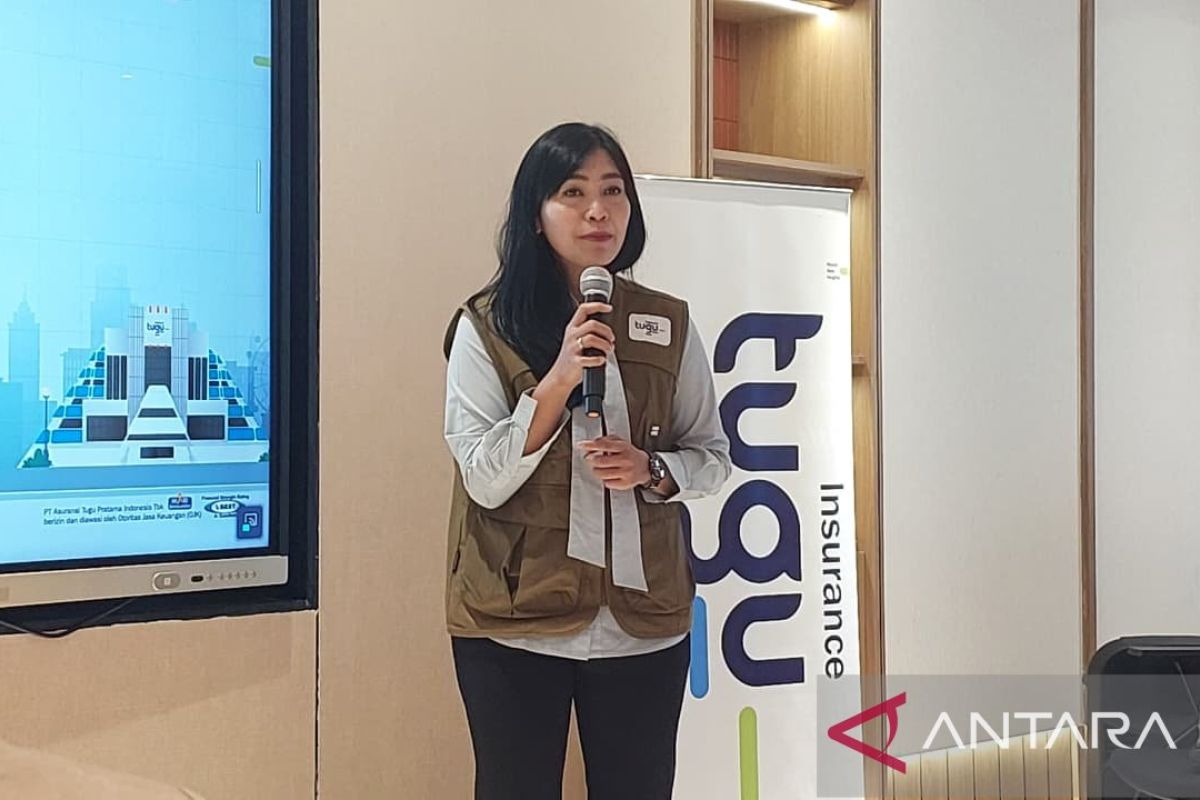
Strategic Business 1 Group Head of Tugu Insurance, Carolina Ledy Babbyana, stated that this business growth is driven by the increasing value of assets and the expansion of activities in the oil and gas sector, from upstream to downstream, which heightens the need for companies to transfer risk through insurance mechanisms.
“Looking at the national energy insurance market, its growth has reached an average of 18 per cent. This growth is much higher than the general insurance industry average because the value of assets and activities in the energy sector continues to increase,” Babby said during an Energy Insurance Literacy event in Jakarta on Thursday.
According to her, there are three main factors driving the growth of the energy insurance market. First, the increasing investment value and scale of energy projects, especially in the upstream oil and gas sector, which continues to develop alongside the government’s efforts to strengthen national energy security.
She explained that based on data from the Ministry of Energy and Mineral Resources and SKK Migas throughout 2025, oil and gas industry activity continues to grow, supported by a target to increase oil lifting to 605.3 thousand barrels per day and gas to 5,530 MMSCFD (million standard cubic feet per day).
Additionally, the expansion of oil and gas working areas in 2026 to 110 blocks, along with increased investment in the upstream sector in line with government policy to strengthen energy security, is set to reach 16 billion US dollars.
This heightened activity increases the need for insurance protection. The oil and gas industry is a strategic national sector with high-risk characteristics, ranging from potential fires, explosions, and environmental pollution to operational disruptions due to extreme weather, particularly in offshore projects.
This is reflected in the largest premium portfolio, which still comes from offshore energy projects, reaching approximately Rp1.18 trillion. Meanwhile, premiums from the onshore energy sector were recorded at around Rp225 billion, covering protection for refineries, fuel terminals, pipeline networks, and power plants.
Secondly, insurance companies are becoming more disciplined in implementing underwriting risk management, enabling them to manage their business portfolios in a healthier and more sustainable manner.
Babby also noted that the transition towards new renewable energy is opening up new markets for the insurance industry. The emergence of various investments in renewable energy projects creates a need for risk protection that was previously not widely available.
Therefore, the function of insurance is not only to provide financial protection when losses occur but also to help companies manage risks from the outset.
“Insurance is a risk transfer mechanism. Before providing protection, we conduct risk mapping, field surveys, and provide recommendations for improvements so that operational risks can be minimised,” she said.
With adequate protection and risk management, the insurance sector is expected to support investment sustainability while strengthening national energy security.
Source: jawawa.id (https://jawawa.id/newsitem/energy-insurance-market-growth-driven-by-oil-and-gas-project-expansion-1786006473)
Originally published by Antara (Indonesian) (https://www.antaranews.com/berita/5682421/pertumbuhan-pasar-asuransi-energi-didorong-ekspansi-proyek-migas), translated from Indonesian