
Energy Emergency: Italy Prepares to Return to Coal
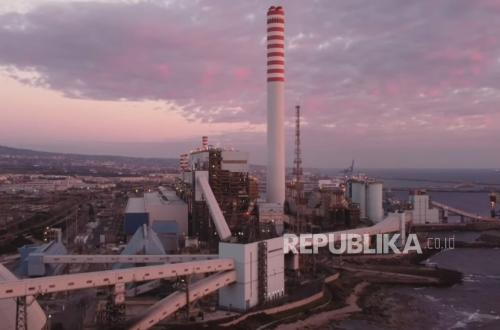
The Italian government is opening emergency options to reactivate coal-fired power plants if natural gas prices surge sharply. This step is being prepared as a last resort to maintain electricity supply stability amid global energy market pressures.
Italian Minister for the Environment and Energy Security, Gilberto Pichetto Fratin, stated that the alert threshold is around 70 euros per megawatt hour (MWh). “If gas prices exceed 70 euros per MWh, it may be necessary to reactivate coal-fired power plants,” he told reporters on the sidelines of an energy meeting in Milan on Monday.
He emphasised that the option is purely contingency-based. Currently, gas prices are around 40 euros per MWh, but market volatility remains high. “We are talking about an emergency scenario, not business as usual. Coal remains the last resort, but we must be prepared if needed,” Pichetto said.
Italy currently has four coal-fired power plants on standby. The government had previously planned a gradual closure of coal-based facilities in line with energy transition commitments. However, geopolitical dynamics and supply disruptions have forced Rome to review that schedule.
Last month, the Italian government decided to postpone the permanent closure of coal-fired power plants until 2038. This policy was adopted following the escalation of conflict in the Middle East, including the impact of the Iran war, which has triggered supply uncertainty and energy price spikes in international markets.
Pressure on the European gas market has indeed increased in recent years, particularly since supply disruptions and post-pandemic demand fluctuations. European countries now face a dilemma between ensuring short-term energy security and upholding decarbonisation commitments.
Italy’s move reflects a pragmatic approach that is beginning to emerge in several European countries: ensuring supply remains secure even if it means temporarily reverting to fossil fuel sources. On the other hand, this policy could also spark new debates regarding the direction of energy transition in the region.
Amid global uncertainty, the Italian government has affirmed that energy policy will remain flexible. The main priority, according to Pichetto, is to ensure that households and industries are not disrupted by price surges or risks of electricity shortages.