
Energy Crisis: Netherlands Allocates Rp20 Trillion and Cuts Taxes, Fuel Prices Not Reduced
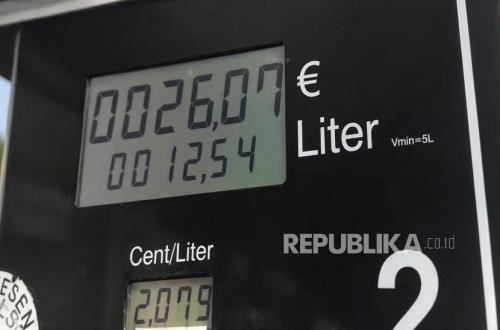
REPUBLIKA.CO.ID, AMSTERDAM — The Dutch government has adopted a different approach to cushion the impact of surging energy costs. Rather than lowering retail fuel prices, the government is rolling out an aid package worth nearly €1 billion or about Rp20 trillion, while also slashing several taxes for households and businesses.
This policy emerges amid global pressures triggered by energy supply disruptions, including the effects of conflicts in the Middle East that have hampered strategic distribution routes such as the Strait of Hormuz. The spike in energy prices is being felt widely by the public and industrial sectors across Europe.
The package emphasises a combination of direct aid and fiscal incentives. This step is seen as a more measured way to maintain purchasing power without excessively burdening the budget through fuel price subsidies.
One policy that will be directly felt by the public is the increase in the tax-free travel allowance for workers. The amount has been raised by €0.02 to €0.25 per kilometre and applies retroactively throughout the year.
This adjustment is estimated to equate to savings of around €0.30 per litre of fuel for vehicle users. Thus, the impact of rising energy prices can be mitigated without direct intervention in pump prices at petrol stations.
In addition, the government is providing relief for small businesses. Motor vehicle tax for grey-plated vans, commonly used by business operators, will be halved.
The policy takes effect from 1 July until the end of the year. This measure is expected to ease the operational burden on small businesses that heavily rely on mobility.
Not only that, tax for trucks has even been reduced to zero for the same period. This policy serves as a strong signal that the government is striving to maintain smooth goods distribution amid energy cost pressures.
On the social protection front, the Dutch government is also allocating significant funds for vulnerable groups. €195 million has been set aside for the Energy Emergency Fund to assist the most affected households.