
Energy Crisis Heats Up in Asia, Malaysia to Implement Gradual WFH
The global energy crisis sparked by conflicts in the Middle East is beginning to spread to Southeast Asia. Disruptions in the world’s oil supply have led many countries to take swift measures to reduce energy consumption, one of which is through work-from-home (WFH) policies.
Following several Asian countries that have already implemented or promoted this policy, Malaysia is now taking similar steps.
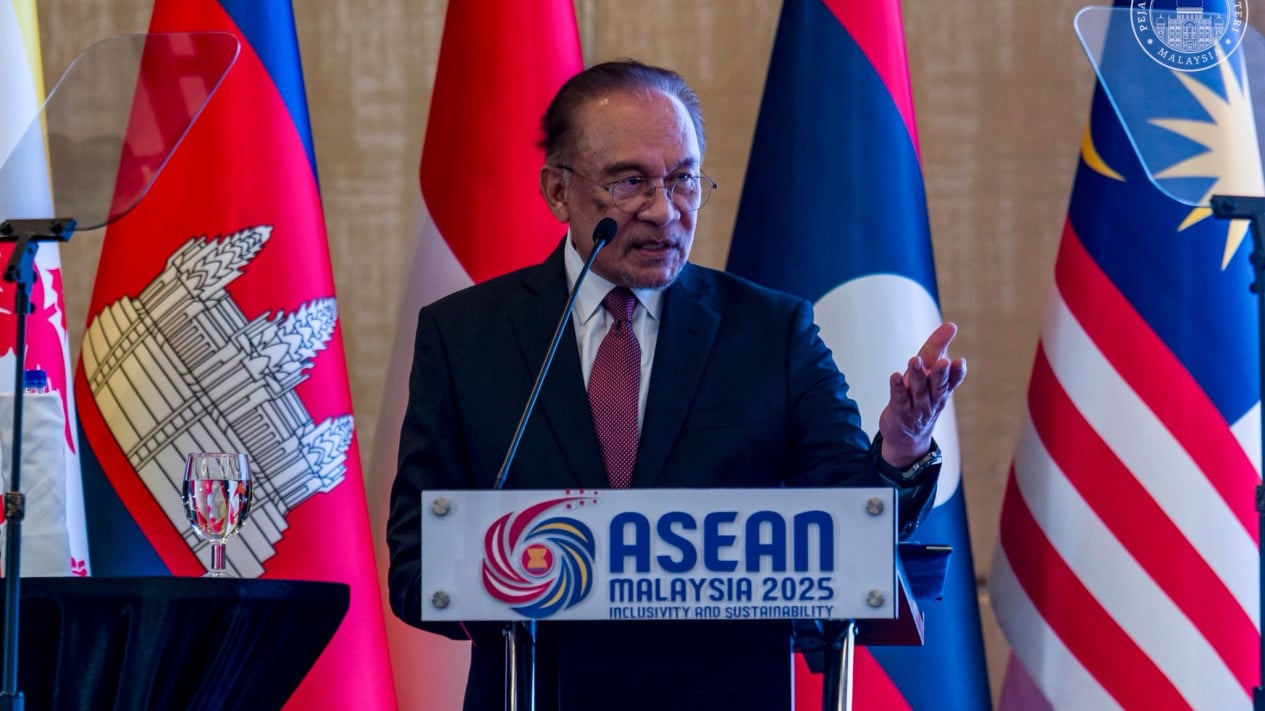
Prime Minister Anwar Ibrahim revealed that the government is refining a scheme for flexible working arrangements for civil servants (ASN). This policy will not be applied all at once, but gradually and selectively to suit sectoral needs.
“The government is perfecting the implementation of flexible working arrangements, including work from home (WFH), for public employees to mitigate the impact of global oil supply disruptions due to the West Asian crisis,” he stated, as quoted from The Star on Monday, 30 March 2026.
He emphasised that the implementation of the policy would be carried out carefully. “This step will be implemented gradually and based on selection,” he said.
In addition to the public sector, the Malaysian government is also encouraging the business world to follow suit. According to Anwar, several companies and banks have already adopted remote working patterns as part of operational efficiency amid rising energy costs.
“The private sector is also encouraged to adopt WFH practices, as has been implemented by some companies and banks,” he added.
In his speech, Anwar also stressed the importance of fiscal discipline and budget efficiency amid the uncertain global situation.
“On the government side, insya Allah, we will continue to uphold discipline, avoid waste and leaks,” he said.
Anwar also called on the public to strengthen national economic resilience amid the challenging situation.
Malaysia’s move adds to the list of countries in Southeast Asia that are beginning to rely on WFH as an energy-saving strategy. Previously, Myanmar and Thailand have also promoted similar policies to reduce fuel and electricity consumption.
On the other hand, Indonesia is also preparing to announce a WFH policy. Interior Minister Tito Karnavian stated that an official decision will be announced soon.