
Energy and Logistics Challenges Force Indonesian Industry to Reassess Investment Strategies
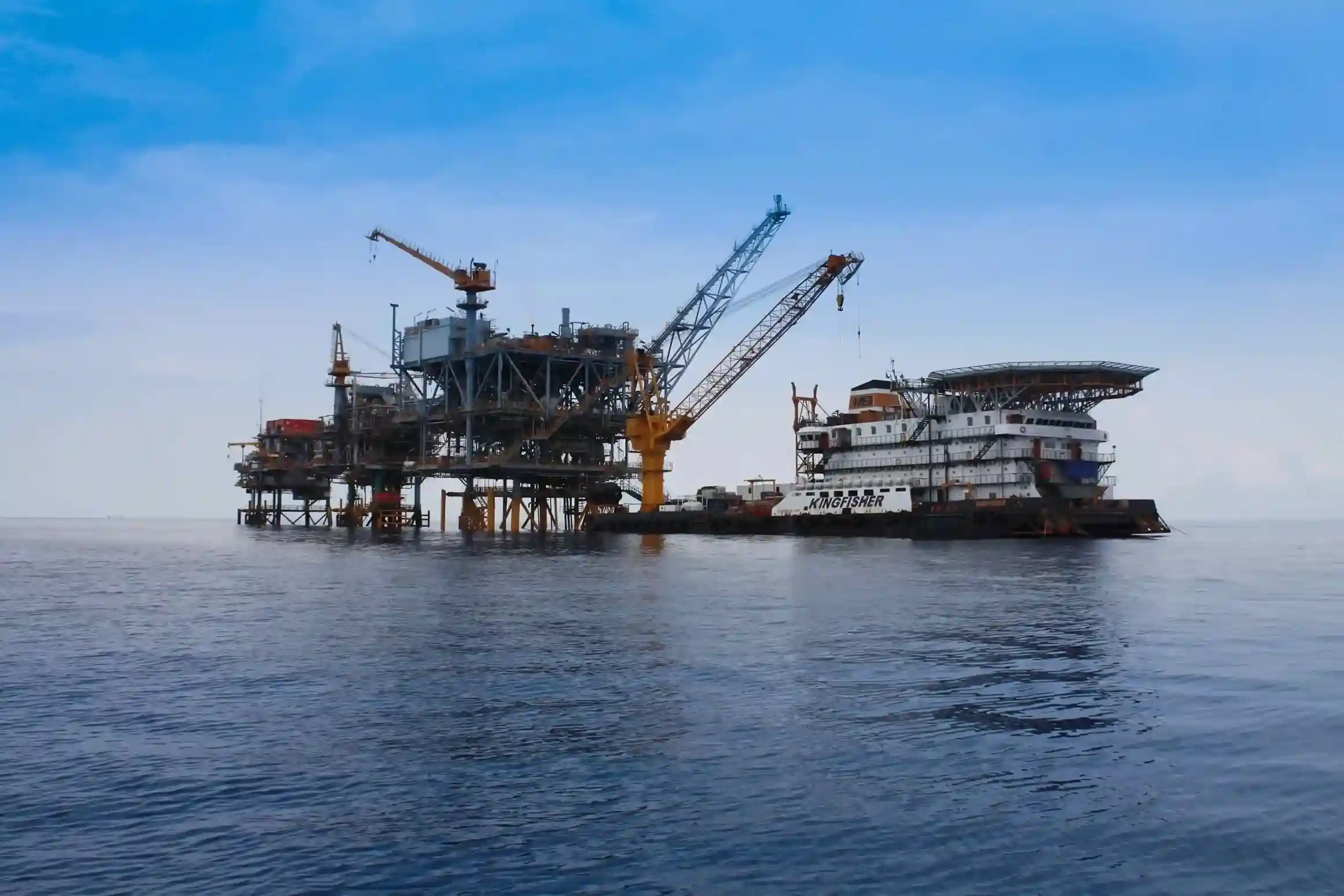
Global energy market volatility caused by international conflicts and high domestic logistics costs have become primary pressures on business calculations and the industrial investment ecosystem in Indonesia. Rising economic uncertainty is forcing businesses to be extra cautious in choosing between short-term efficiency and long-term strategies.
This situation requires the manufacturing sector and green manufacturing to distinguish between types of investment that can immediately generate operational savings from large-scale transformative investments that require market certainty and mature financing schemes.
Looking at technical facts on the ground, energy efficiency can actually begin with simple operational steps without waiting for large-scale capital expenditure. Based on energy audits conducted through the Sustainable Energy Transition in Indonesia (SETI) programme, potential energy savings of up to 58.4 million kWh per year were found in the analysed facilities. This figure is equivalent to a potential reduction in operational costs of approximately Rp44.9 billion per year, sourced from the optimisation of boilers, air compressors, and factory heating systems.
I Made Vikannanda, Senior Manager for Resilience Cities and Transport at WRI Indonesia, emphasised that energy and transport cost components are highly sensitive variables for corporate competitiveness. “The main problem with energy costs is uncertainty and instability. Businesses in Indonesia are very sensitive to energy. From public company data in several sectors, transport and handling costs reach about 9-10 per cent of production costs,” said Made, quoted on Monday, 5 October 2026.
While opportunities for internal savings are quite open, a major challenge arises in investments for the transition to green products. WRI Indonesia research results estimate that the Levelised Cost of Product indicator for several low-carbon products could surge between 29 per cent and 81 per cent, driven by high clean energy costs and technology transition costs.
Investment Risks
On the other hand, the risk of investment failure or the threat of stranded assets looms over industries that are slow to transform. Climate Catalyst modelling notes that sustainable investment in national coal-based steel production could face stranded asset risks as high as a staggering US$35 billion.
In addition to domestic factors, the penetration of Indonesian exports in the global market is also being hindered by tightening environmental regulations. Clorinda Wibowo, Senior Manager for Energy and Sustainable Business at WRI Indonesia, explained that readiness to face green trade policies is no longer an option, but a necessity for competitiveness.
“Our analysis shows that approximately US$51.5 billion of Indonesian exports are facing or potentially facing green trade policies,” said Clмога.
This means that readiness for changing market requirements will increasingly become part of the Indonesian industry’s competitiveness strategy. “However, this readiness cannot be placed solely on the industry. The government also needs to strengthen the supporting ecosystem, including through the acceleration of low-carbon technology adoption and the development of a credible Monitoring, Reporting, and Verification (MRV) system that aligns with global market standards,” said Clorinda Wibowo.
Although domestic manufacturing is beginning to adopt low-carbon technologies, the main issue hindering the pace of commercialisation is the lack of certainty regarding domestic market absorption or an ‘anchor’ market. Aditya Farhan Arif, President Director of Indonesia Battery Corporation (IBC), revealed that production readiness has not been matched by guarantees in the local market.
“We are already able to produce. However, there is actually no certainty from the domestic market that can serve as an anchor, both for electric vehicles and BESS (Battery Energy Storage Systems),” said Aditya.
This buyer uncertainty directly impacts the fulfilment of banking finance requirements. Dwangga Nugraha, Sustainable Infrastructure Finance Specialist at WRI Indonesia, emphasised that financial institutions require revenue certainty before disbursing transition funds.
“In addition to technology and production, what is needed is revenue certainty, or technically, anftake agreements. Before a company reaches financial close, banks will certainly require a number of offtake agreements that include price, volume, and tenor. Therefore, an MoU is not enough,” said Dwangga.
As a strategic solution to create an instant market, the Green Public Procurement instrument is considered the key to ensuring the state acts as an early buyer of environmentally friendly commodities. Arief Aziz, Director of Networks and Partnerships at Climate Catalyst, stated that government procurement schemes could provide commercial certainty for the industry.
“Green Public Procurement is essentially about how the state can become the primary buyer of these green commodities. With demand present, industries can seek financing and undertake investments that are business-justified,” said Arief.
In the context of the national steel industry, potential absorption from public procurement is estimated to reach 5.1 million tonnes, or about 28 per cent of the total national steel requirement of 18.3 million tonnes per year. However, the lack of specific green criteria and clarity regarding purchase volumes in government procurement schemes remains a challenge that must be addressed immediately to ensure an optimal industrial transition.
Source: jawawa.id (https://jawawa.id/newsitem/energy-and-logistics-challenges-force-indonesian-industry-to-reassess-investment-strategies-1791204721)
Originally published by kabarbursa.com (https://www.kabarbursa.com/makro/tantangan-energi-dan-logistik-paksa-industri-indonesia-putar-otak-atur-strategi-investasi), translated from Indonesian