
Enduring Waqf: Ensuring Continuous Benefit
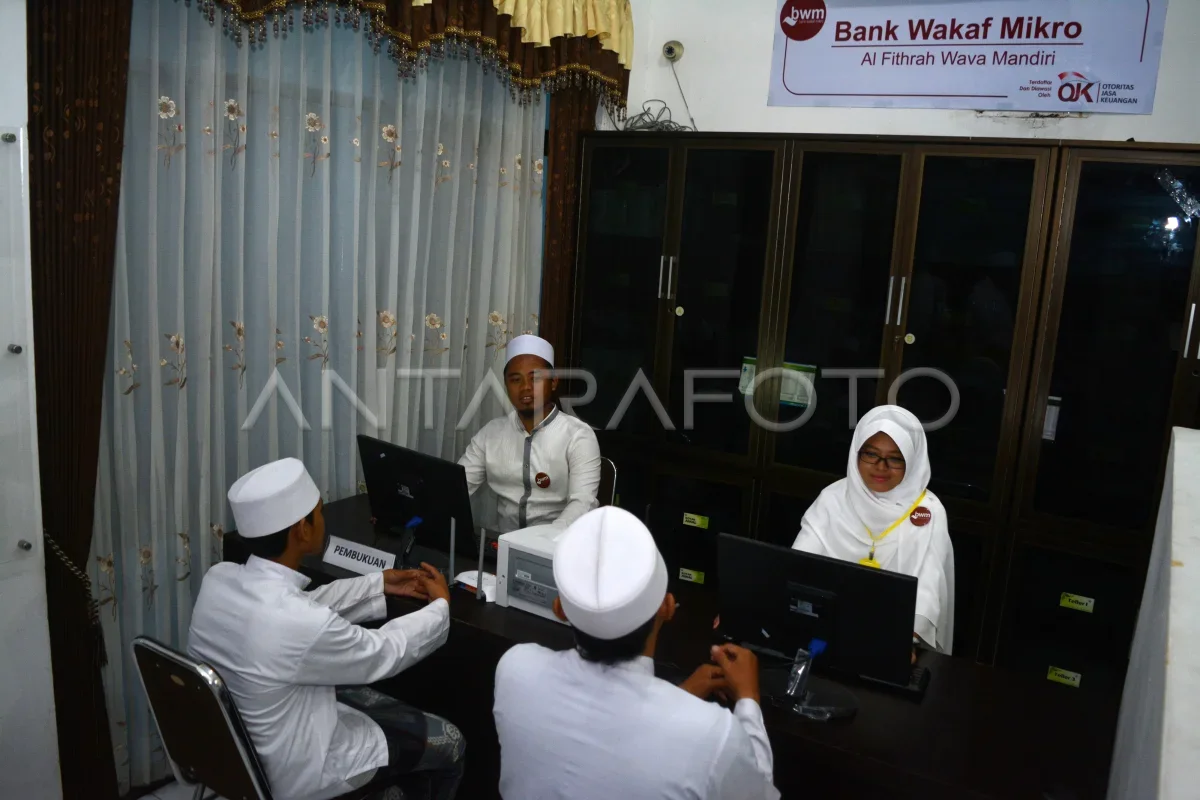
Waqf is about how goodness continues to work after assets change hands.
Surabaya (ANTARA) - A plot of land can become a mosque, a school, a cemetery, or land that remains unchanged from its original function for a long period. Similarly, endowed money can simply remain as a figure in a bank account if not managed with adequate capability.
This is where the critical question regarding the future of waqf begins: not merely how much has been collected, but how much benefit is generated from it.
Indonesia possesses significant social capital to develop waqf. The Indonesian Waqf Board (BWI) noted that the national accumulation of waqf collection surpassed Rp30 trillion by mid-2026.
At the same time, BWI 2025 data shows there are 435,768 waqf land locations covering approximately 277,203 hectares. Meanwhile, the potential for national cash waqf, according to studies by the Ministry of Religious Affairs and BWI, is estimated to reach between Rp180 trillion and Rp400 trillion per year.
These figures indicate vast room for growth. However, potential does not automatically translate into prosperity. Waqf only becomes truly valuable when its assets are protected, managed professionally, generate benefits, and reach the communities in need.
The city of Surabaya, East Java, presents an interesting example. The city earned the title of Best Collaborative Waqf City 2026 at the Impact & Collaboration 2026 event organised by the Ministry of Religious Affairs.
Since being designated as one of the 10 Waqf Cities in 2025, Surabaya has built collaborations between the City Government, the Ministry of Religious Affairs, BWI, and BAZNAS. As of September 2026, the cash waqf funds collected in the city reached approximately Rp1.8 billion.
While that value is important, what matters more is how the collected funds are subsequently managed. Programmes such as waqf for prospective brides, waqf for students, and the involvement of hospitals demonstrate that waqf is being integrated into various aspects of community life.
The Surabaya City Government has also positioned waqf from the outset as an instrument expected to support the economy, education, health, and the strengthening of citizen welfare.
Significant capital.