
Ending the Era of Waiting to Fall Ill: CKG Brings Services to the People and Ensures Full Recovery
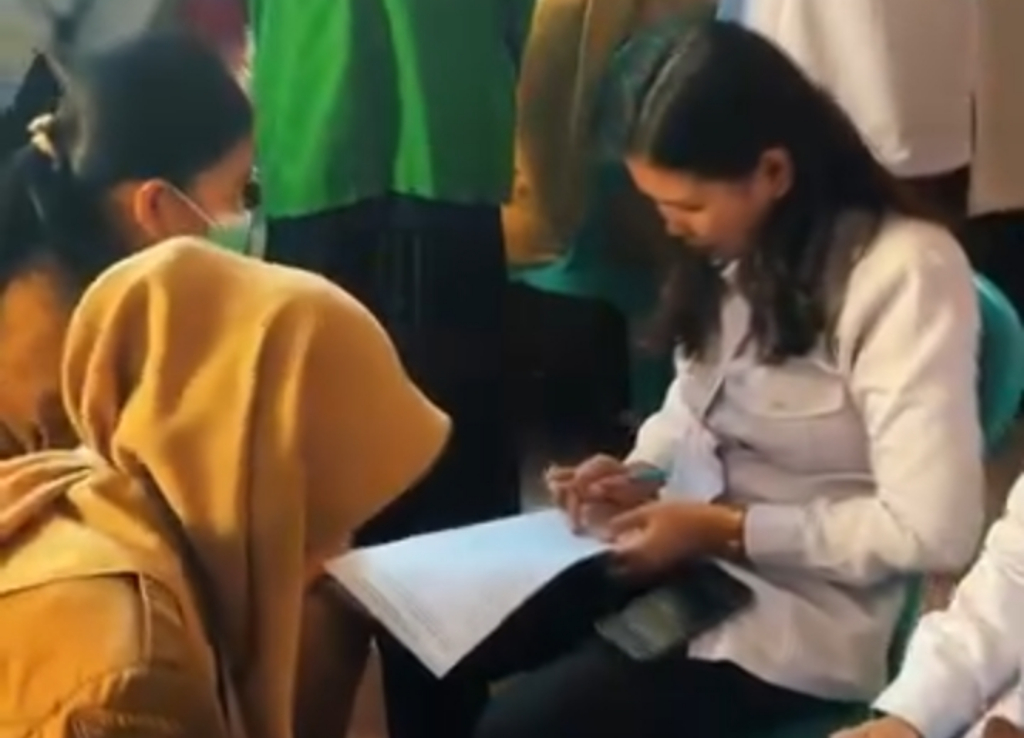
The Free Health Check (CKG) programme initiated by President Prabowo Subianto has entered its second year and shown significant changes. The programme no longer only detects diseases but also ensures the public receives treatment until completion.
In South Sulawesi, the programme has reached millions of residents and uncovered many public health cases that had previously received little attention, particularly diseases with minimal early symptoms such as hypertension, diabetes, and tuberculosis. Additionally, those participating in CKG do not need to wait long or queue, thanks to digital-based service innovations that accelerate registration and examination processes.
Andi Ahmad, 52, a city transport driver known locally as a pete-pete in Makassar, said he joined the CKG programme as part of the tuberculosis tracing movement held by the Makassar city government at 339 locations simultaneously in mid-August 2026.
“I initially had a cough that had not stopped for almost three months. I thought it was just an ordinary cough because of the dust on the roads. When examined, my lung X-ray results showed signs of TB. I was immediately given medication and told to seek routine treatment at the community health centre. Had this programme not existed, I might have kept coughing and infected my family or others,” Ahmad explained in his Makassar dialect.
Initially, Ahmad admitted he was afraid to get examined, worried the results would not meet his expectations. However, health workers reassured him that the sooner a disease is detected, the greater the chance of recovery because treatment can begin promptly.
Nevertheless, the Head of the Makassar City Health Office, Nursaidah Sirajuddin, stressed that CKG is not only directed at finding TB cases but also at screening for various other diseases.
“Our hope is that we can truly screen through this Free Health Check examination. Therefore, we use the 12 Minimum Service Standard indicators contained within it, so we can maximise them,” she said.
“In addition, we also observe and monitor conditions in hospitals. The high volume of hospital services stems from the large number of non-communicable disease patients who were not confirmed early, ultimately resulting in severe complications,” Nursaidah continued.
Thus, CKG can serve as a means of early detection. The public can learn about their health condition before a disease develops more severely. Nursaidah acknowledged that one obstacle in implementing screening is that some people are still afraid to learn their examination results. Most residents choose not to undergo examinations because they worry about discovering they have a particular disease. The Makassar Health Office is therefore encouraging all community health centres to intensify health promotion and education for the public.
Education about the benefits of routine health examinations. Besides detecting non-communicable diseases, CKG is also integrated with the TB tracing programme, which the Makassar city government is currently intensifying.
In Makassar, CKG integrated with TB tracing is being held at 339 locations across 153 urban villages in 15 sub-districts throughout Makassar City. The activities run from August until November. Each location is targeted to reach 100 residents for screening, bringing the total projected target to approximately 33,900 people.
Nursaidah added that all community health centres have been mobilised to pursue the target. Health centres are asked to play an active role in programme implementation. The Makassar Health Office is also maximising its network of health facilities to expand CKG coverage.
Nursaidah said the examinations can target the public from newborns to the elderly. Beyond community health centres, the Makassar Health Office is collaborating with 51 hospitals, including 220 primary and main clinics as well as 88 independent individual medical practitioners.
“Because knowing about a disease sooner is better than falling into complications,” she explained.
The CKG programme even makes things easier for busy working people. This is what the Ballaparang Community Health Centre in Rappocini, Makassar, has done. Every week they bring services directly to the people, visiting both private and government institutions within their working area to conduct health screenings.
Once a week, a team from the health centre visits institutions such as JNE Express, the Trade Office, the Makassar Ministry of Religious Affairs, CU Mekar Kasih Makassar, and the D’Maleo and Prima hotels to conduct CKG.
The Head of the Ballaparang Community Health Centre in Makassar, Nur Indarti, said her health centre routinely coordinates across sectors and goes directly into the field to carry out early detection of public health.
“Especially since our area has many offices. Those who are busy working may not have time to get a health check, so we come to them,” she explained.
The CKG programme is not only for sick people but also for healthy individuals so they can learn about their health condition earlier.
“Every resident is entitled to one check per year. The services provided include measuring body weight, height, blood pressure, as well as simple laboratory examinations and dental and oral checks,” Nur Indarti said. This was echoed by Sahira, an employee at JNE Express Makassar.
“A day before the health centre examination, we were already informed that there would be a free health test. It is quite good to get a free test without having to go to the hospital. Especially for people like us, who sometimes have to be busy with a lot of administrative work, so we do not have time to go to a health facility. And thank God, after being examined, everything was fine,” she said.
Separately, the Head of the South Sulawesi Provincial Health Office, Evi Mustikawati, said the CKG programme is a strategic step in building a healthier society. She emphasised that the programme is not merely about screening but also about ensuring follow-up treatment for those found to have health problems.
“We want to ensure that no resident is left behind in accessing health services. The CKG programme is a form of the state’s presence in ensuring the right to health for all citizens,” she said.
Evi added that the provincial government continues to strengthen coordination with district and city governments to expand the reach of the programme. She hopes that through CKG, the public will become more aware of the importance of routine health checks and not wait until they are ill before seeking medical help.
“We want to end the era of waiting to fall ill. Prevention and early detection are far better than treatment after a disease has progressed,” she concluded.