
Encouraging Waste Sorting Movement, DKI Jakarta Information Commission Strengthens Digital Literacy
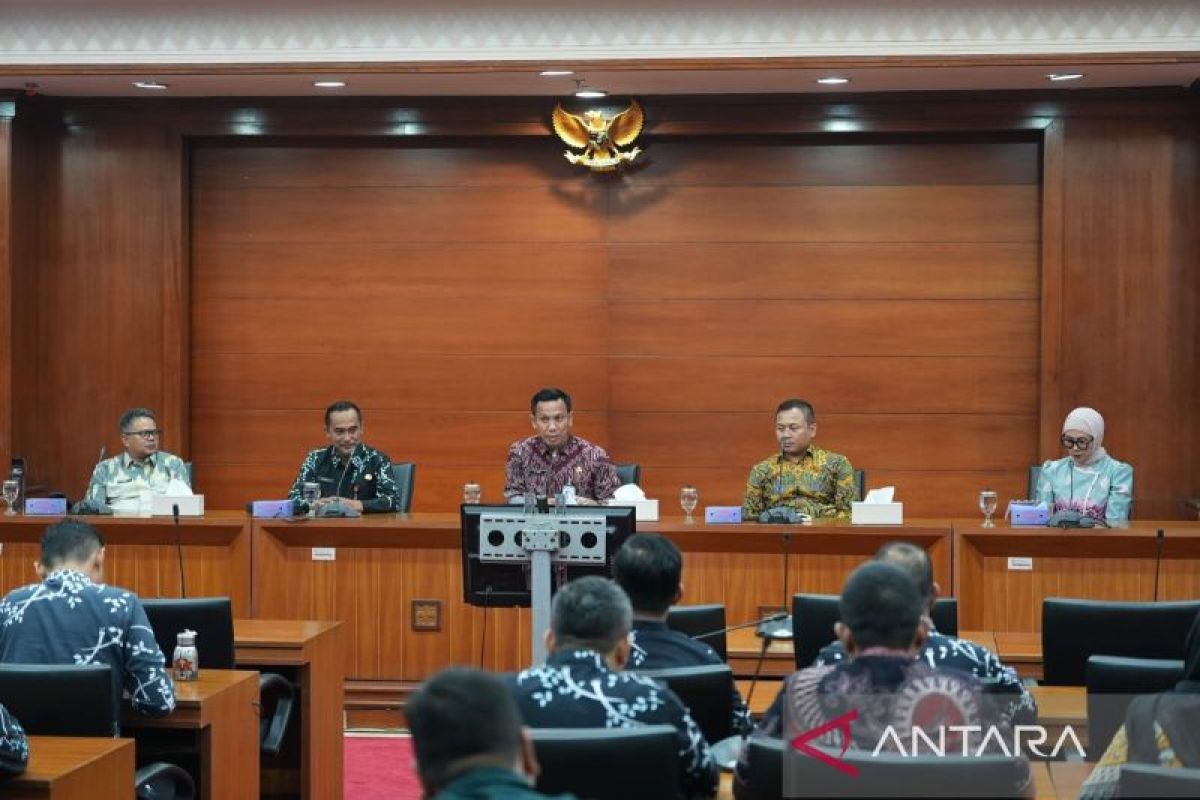
Jakarta (ANTARA) – The Jakarta Information Commission (KI DKI Jakarta) is strengthening digital literacy to promote a waste sorting and processing movement as a joint effort involving active participation from the public and public bodies.
Aang Muhdi Gozali, Commissioner for Institutional Affairs at KI DKI Jakarta, explained that they have urged sub-district and urban village authorities to relay information on waste management in real time via official websites and social media.
‘The E-Monev assessment is not just administrative, but about how public bodies provide periodically updated information that is announced regularly,’ said Aang in a statement in Jakarta on Friday.
He emphasised that public bodies that have official websites and social media, but are not actively managed, are still deemed not compliant with the principles of public information disclosure.
He also noted that information openness plays an important role in supporting the implementation of the Governor of DKI Jakarta’s Instruction Number 5 of 2026 on the Household Waste Sorting and Processing Movement.
‘Public information is power to drive literacy and a culture among residents to be more concerned about waste management in Jakarta,’ said Aang.
Currently, added Aang, KI DKI Jakarta is also conducting a data collection of the public bodies’ social media at the sub-district and urban village levels as part of strengthening digital-based openness of information.
Therefore, he urged that information relating to the Integrated Waste Processing Facility (TPST) – from processing capacity, types of waste, management mechanisms, to the use of its budget – be published regularly to the public.
Meanwhile, Muhammad Andri, Assistant to the Administration Secretary of the North Jakarta Administrative City, assessed that the communications capacity of public relations at sub-district and urban village levels still needs to be strengthened. He stressed that the public should not be left behind in information so that the impression ‘no viral, no justice’ arises.
‘With a large pool of human resources, that should not be an obstacle; it is a matter of how they are utilised and their usefulness,’ Andri said.