
Empty Sea Highway Container Leaves Natuna Facing Chicken Meat Crisis
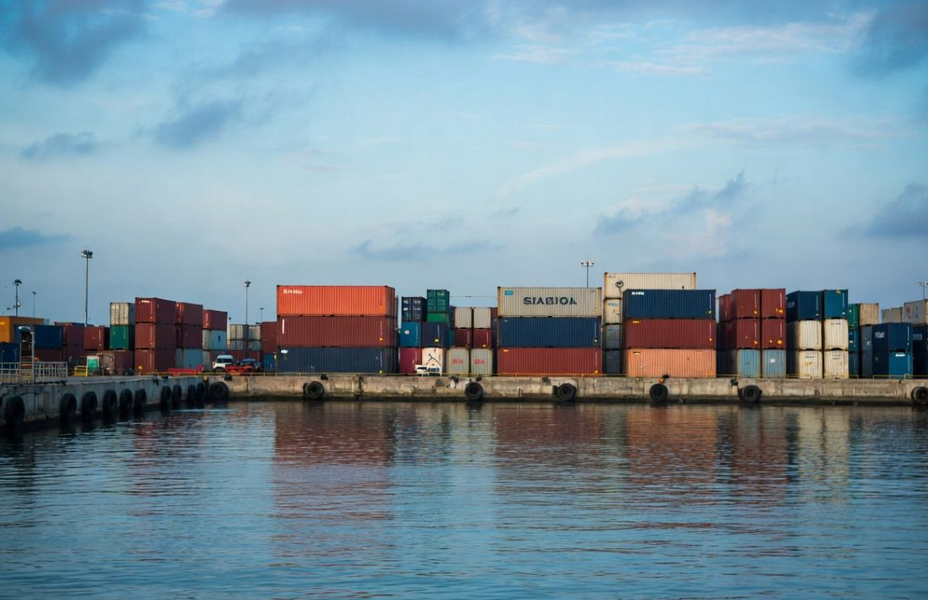
The distribution of logistics to Indonesia’s border regions has once again come under sharp scrutiny. A refrigerated container belonging to the Sea Highway (Tol Laut) programme reportedly departed empty from Tanjung Priok Port heading for Selat Lampa Port in Natuna. The incident caused the supply of frozen chicken meat for the Natuna community to plummet by up to 15 tonnes this month.
The container, transported by KM Logistik Nusantara 4, was supposed to be a pillar of food stability in Natuna. However, due to the loading failure, the supply volume, which usually reaches 45 tonnes across three containers, has now shrunk to just 30 tonnes.
The head of PT Sarana Bandar Logistik’s Natuna branch, Anto Raswanto, confirmed the drastic supply drop. “Last month there were three containers, about 45 tonnes. Because one container was empty, only around 30 tonnes arrived in Natuna this month,” he stated on Friday.
The situation has sparked disappointment among Sea Highway service users, who expressed bewilderment over how a container listed on the manifest and already sealed could depart without any cargo. It is considered a waste of space on the Jakarta–Natuna route, where reefer capacity is extremely limited.
The expedition side, through Operations Staff of PT Multi Terminal Indonesia’s Natuna branch, Tarkim, acknowledged the “ghost container” incident. He argued it occurred due to technical factors on the ground, not intentionally. “Indeed, one container was empty. It was not a deliberate act, but rather a miscommunication. By the cargo closing time, the goods were not yet available. The supplier was probably not ready due to stock availability or the Lebaran holiday factor,” Tarkim explained. Despite the container being empty, the vessel was still dispatched to maintain the shipping schedule. In logistics terms, this status is referred to as ‘cargo left behind,’ yet the container itself was still transported because it was already included in the operational plan.
Business operators in Natuna are urging transparency and a comprehensive evaluation by the Sea Highway operator and the local government. The incident is deemed detrimental to the public interest in the border region, which is heavily dependent on supplies from outside the area. Poor coordination among shippers, suppliers, and expedition parties must not be tolerated, considering the Sea Highway is a state-subsidised programme aimed at reducing price disparities and guaranteeing food availability in remote regions.