
Empowering MSMEs: From Business Development to the Need for Decent Housing
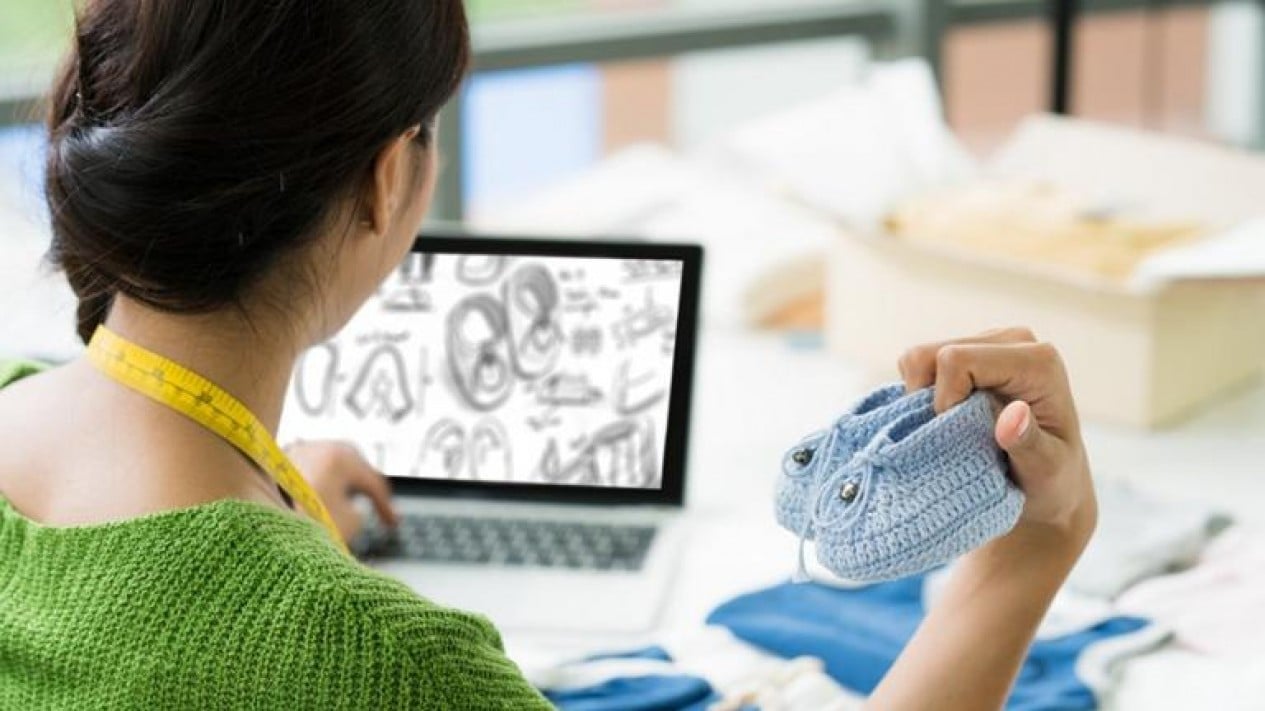
Jakarta – Micro, small and medium-sized enterprises (MSMEs) play an important role in supporting economic resilience and growth. They not only drive local economies but also make a major contribution to job creation and strengthening the national economy.
According to data from the Ministry of MSMEs, ASEAN has more than 70 million MSME businesses. They employ around 85% of the workforce, contribute 44.8% of the region’s gross domestic product (GDP) and account for 18% of total regional exports. The figures demonstrate the significant role of MSMEs in maintaining economic stability and promoting market integration in Southeast Asia.
In Indonesia, around 57 million MSME operators contribute 60.5% of national GDP, employ 97% of the workforce and account for 15.7% of total exports. Their substantial contribution confirms that MSMEs are one of the main foundations of the national economy.
Despite their strategic role, efforts to empower MSMEs need to be strengthened through a more comprehensive and sustainable approach. These efforts should not focus solely on business development, but should also take into account the wellbeing of business owners and their employees, including access to basic needs such as decent and affordable housing.
This point was made by MSME practitioner and entrepreneur Hevi Novianti at an event marking the second anniversary of Laskar Trisakti 08 last Friday (16 October). During the discussion, Novianti stressed the importance of a more comprehensive approach to MSME empowerment.
She said that improving business capacity and conditions should go hand in hand with ensuring that MSME operators and their employees have the opportunity to meet their living needs, including securing decent housing.
“Indonesian MSMEs need to be guided towards a more comprehensive and sustainable approach. We can no longer talk only about other things. Global competition is becoming increasingly complex, so the government must be alert to these conditions. If businesses improve, their ability to meet their families’ basic needs, including having a decent place to live, can improve too,” she said.
“We are all moving in that direction. It is not only business owners, but our employees as well. We hope the government will continue its efforts through more inclusive, adaptive and sustainable policies to strengthen the MSME empowerment ecosystem,” she added.