
Employers Unfazed by Paying BPJS for Domestic Workers: Better Than Facing Jail
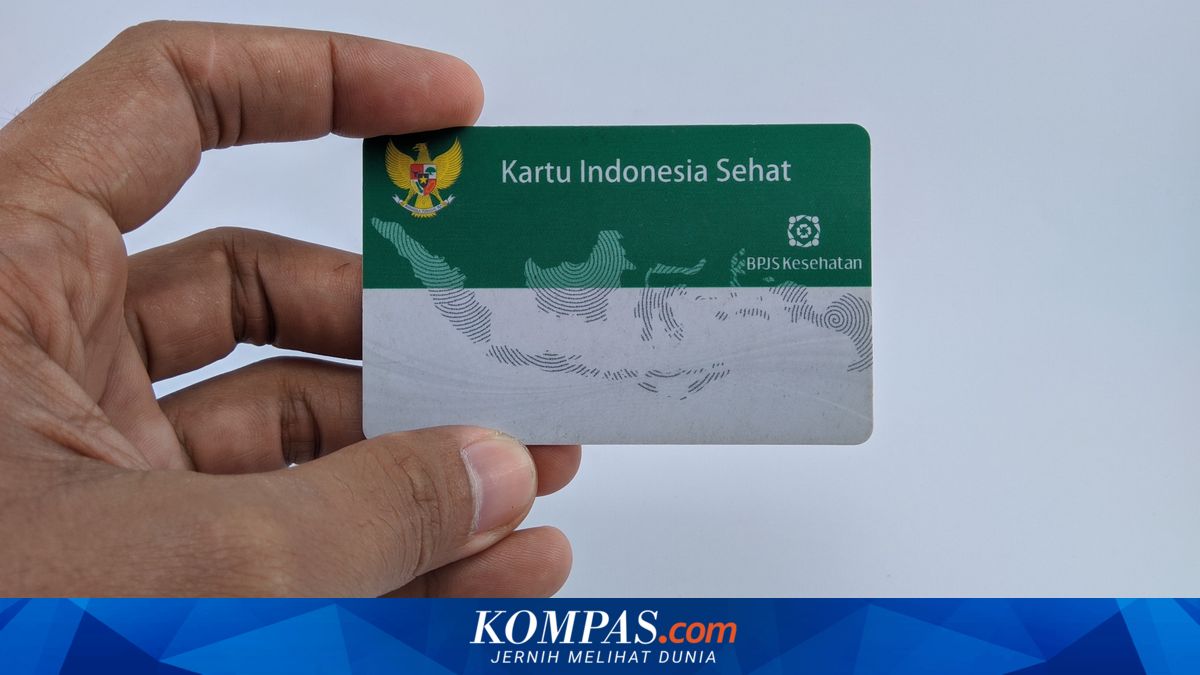
JAKARTA, KOMPAS.com - A number of users of domestic helper (ART) services admit they are not opposed to the planned implementation of the Domestic Workers Protection Act (PPRT), including the obligation to provide health social security through BPJS Kesehatan.
One of them, Novi (45), feels capable of paying the BPJS contributions for the domestic helper working in her home.
“BPJS, I can manage that. It’s just a matter of deciding which class,” said Novi in a conversation with Kompas.com on Wednesday (22/4/2026).
She chooses to cover medical treatment costs directly if her worker falls ill.
“So far, I haven’t covered BPJS, but if she gets sick, I cover the costs to the clinic or for buying medicine,” said Novi.
However, with the monthly contribution obligation, Novi acknowledges the need to readjust her financial situation.
Because expenses that were previously incidental now must be paid routinely.
“Usually, I only spend money when the worker at my house is sick. But now, it has to be paid every month,” she said.
Farhan (42) expressed a similar sentiment, planning to discuss the obligation with his family and ART.
“I’ll talk to my wife later, and I’ll also ask the helper at home if she already has BPJS or not. If not, I’ll register her. If she does, I’ll just pay monthly,” revealed Farhan.
“I’d rather set up BPJS Kesehatan than be sued and go to jail later. Now there’s already the Act,” said Farhan.
So far, Farhan admits he hasn’t registered his domestic worker with BPJS because he considers the Rp 1.5 million monthly salary already covers needs, especially since the worker does not live in the house.
“Domestic workers go home and forth, her house isn’t far from mine. If she needs treatment, she handles it herself because everything is covered in the Rp 1.5 million,” said Farhan.
It is known that the Chairman of the DPR RI Legislation Body, Bob Hasan, stated that the PPRT Bill contains several new regulations covering rights, recruitment mechanisms, to social security for domestic workers.
“The PPRT Bill was agreed upon in the Working Team meeting, which overall consists of 12 chapters and contains 37 structured articles, from general provisions to closing provisions,” said Bob Hasan in a working meeting on Monday (20/4/2026) night.